Appointments, letters and messages in one place, opened from a text link with no app and no password. Patients confirm, move or cancel, and your team gets the answer.
Digital engagement can fail at the front door
If a patient has to find an app, remember a password or own a particular kind of phone, part of your list is out before the first message arrives.
- An app to download
- A patient told to download something first may never get as far as the message.

- A password to save
- A forgotten login is a letter that never gets read and a slot nobody confirms.

- The wrong phone
- Not every patient has a smartphone, and those patients still need to be reached.

REFERRAL TO DISCHARGE
What patient engagement looks like for Jen
A patient engagement platform is judged on the digital adoption behind it, whether anything comes back from a patient, and whether anyone acts on it. Jen is an example patient, not a real one.
When the referral lands
Jen is told the hospital has the referral and what happens next, so nobody has to ring to find out.
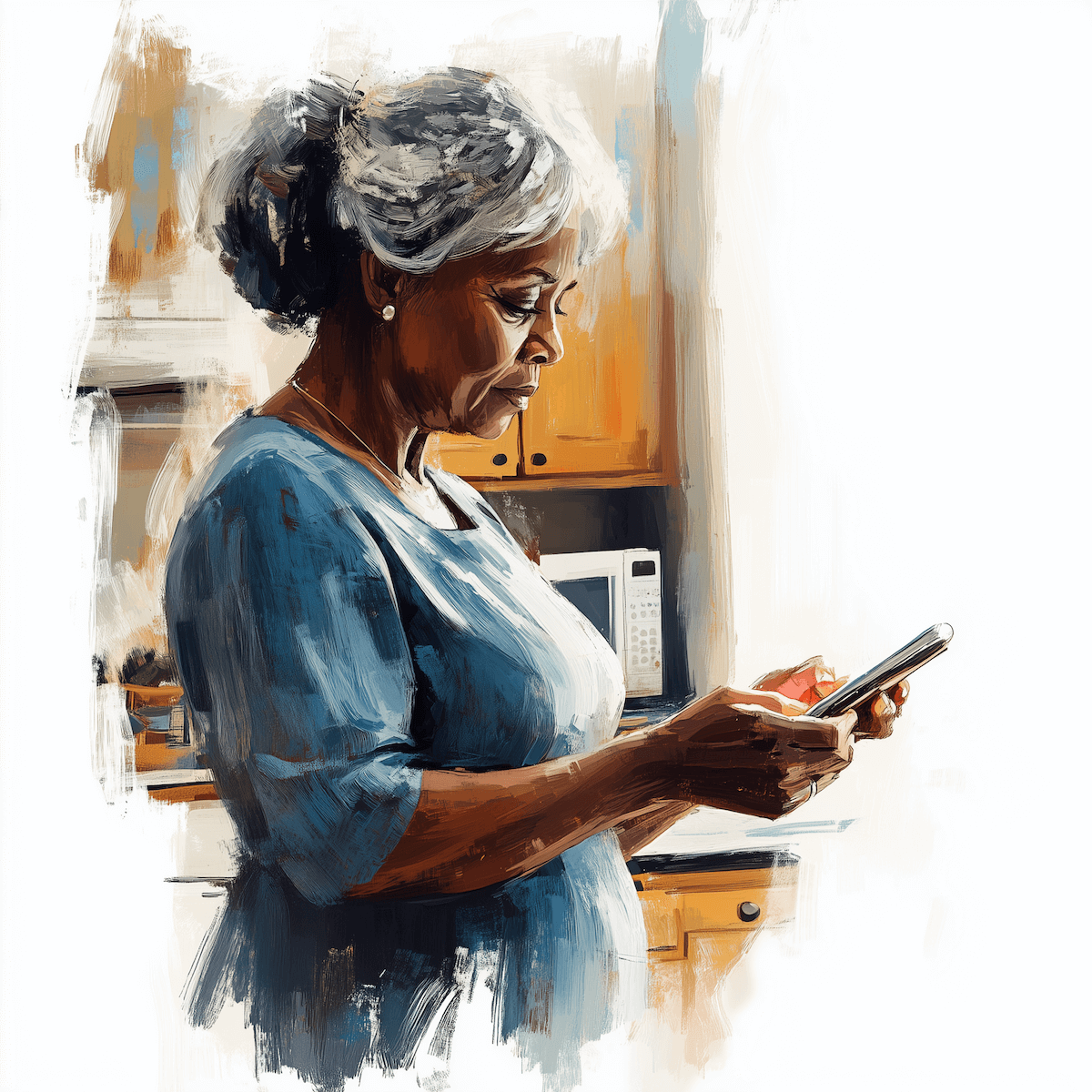
When the service needs to know
A few questions arrive instead of a letter asking her to ring. She answers on her phone, and a clinician reads what she sends.
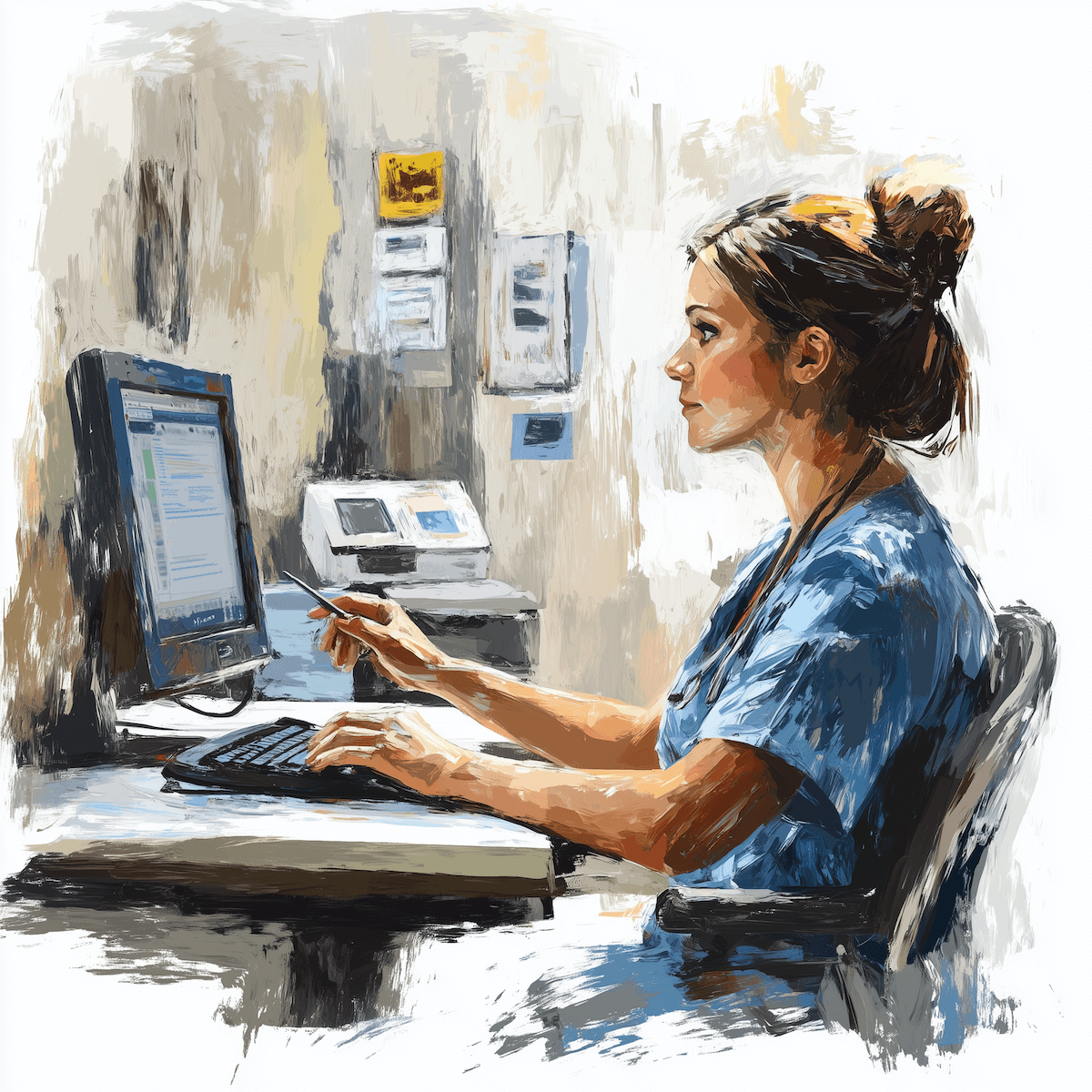
While she waits
Her service tells her where things stand and who to contact if something changes. If she no longer needs the appointment, she can say so.
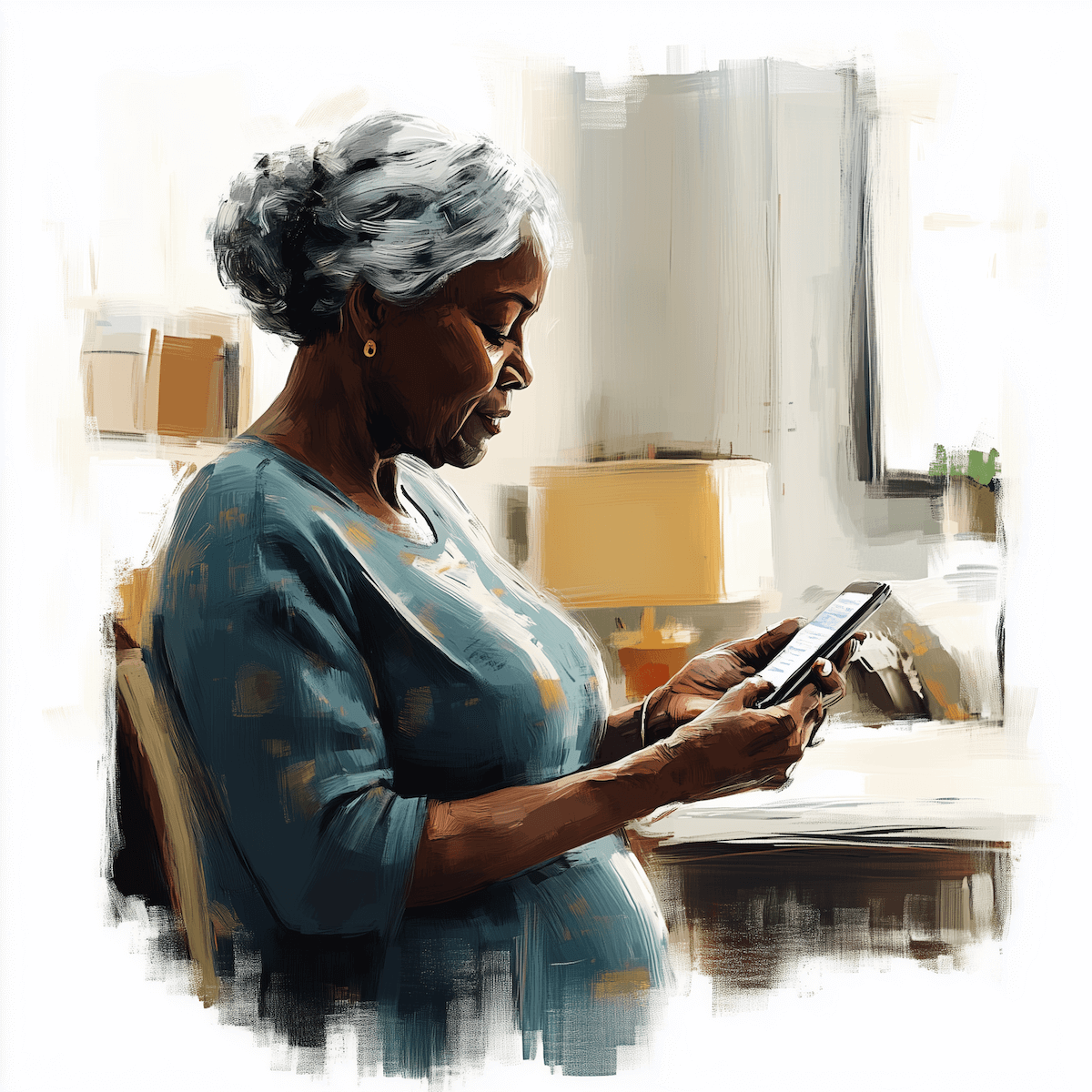
Before her treatment
Her reminder says where to go, what to bring and what to stop taking. She confirms, moves or cancels from the same message.

When things are steady
If her service offers it, Jen can come back when she needs to, rather than on a date somebody picked months ago.

WHAT PATIENTS SEE
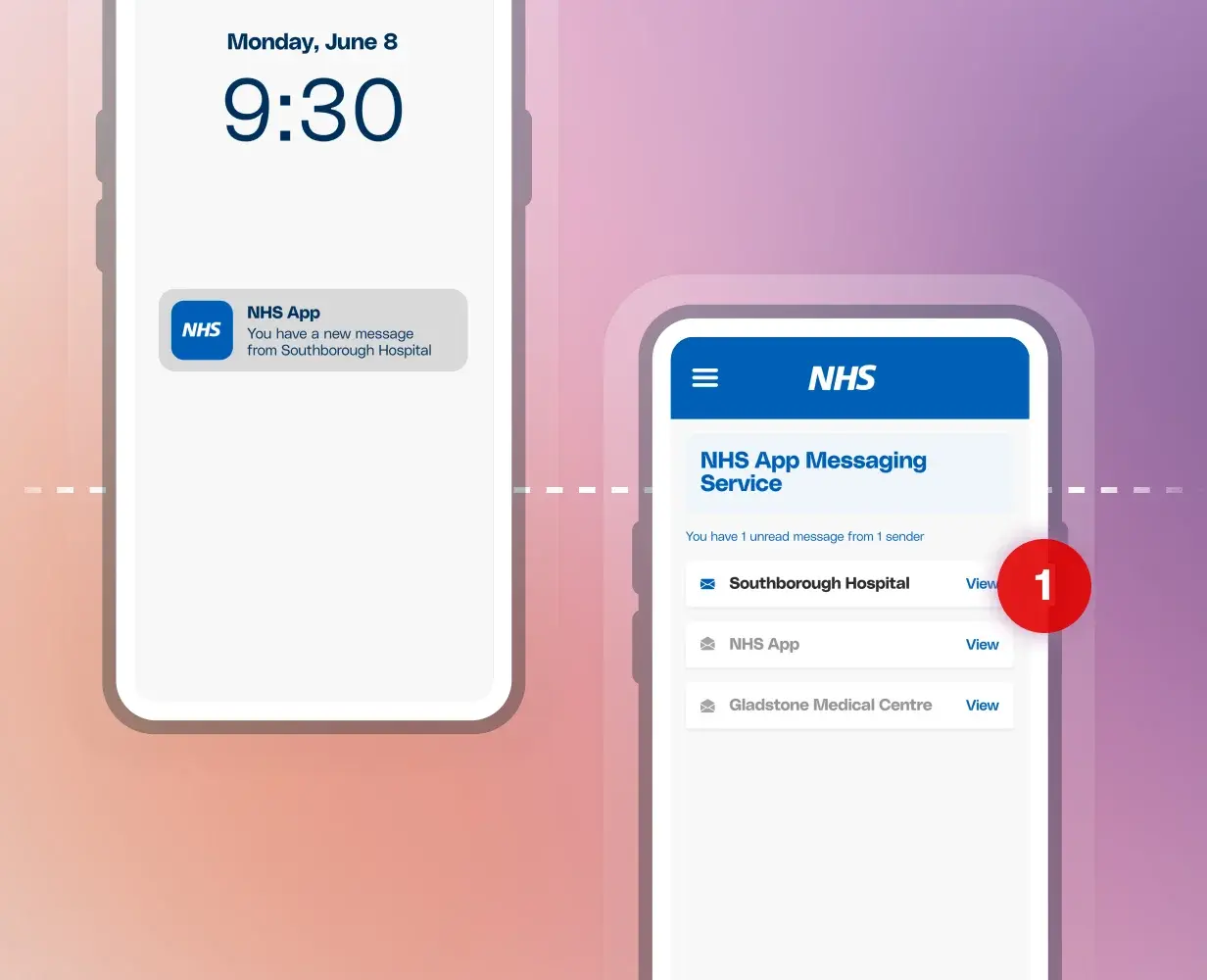
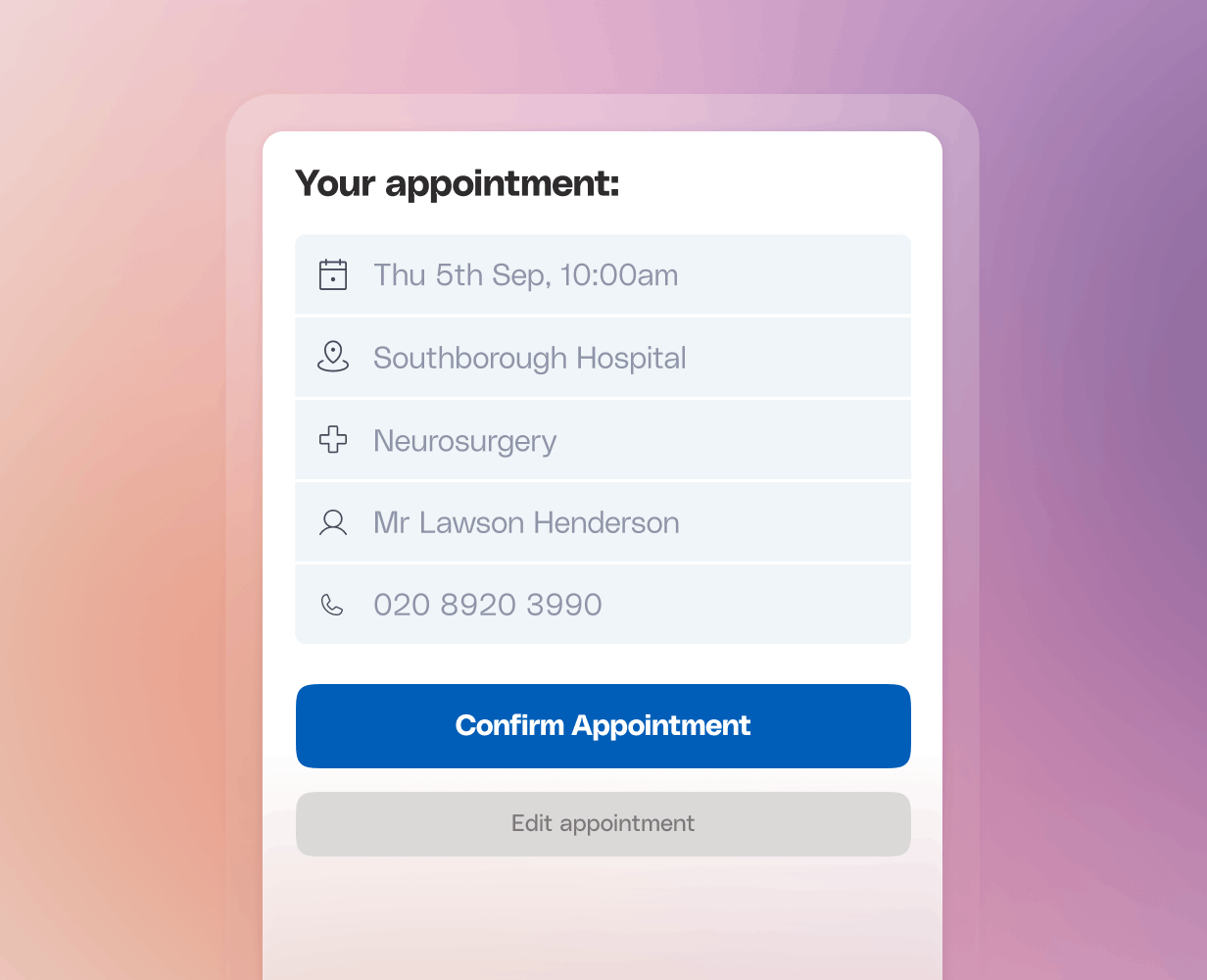
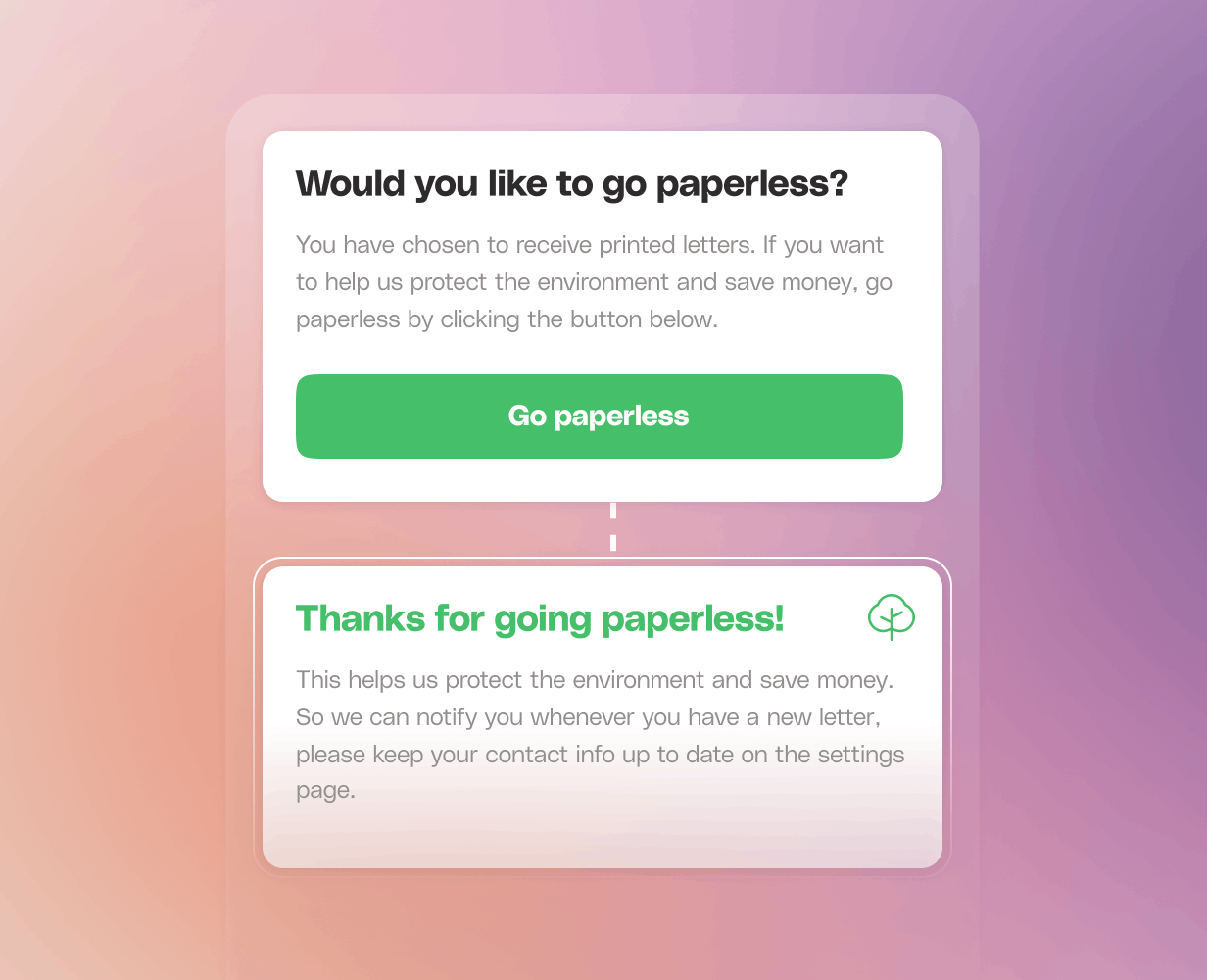
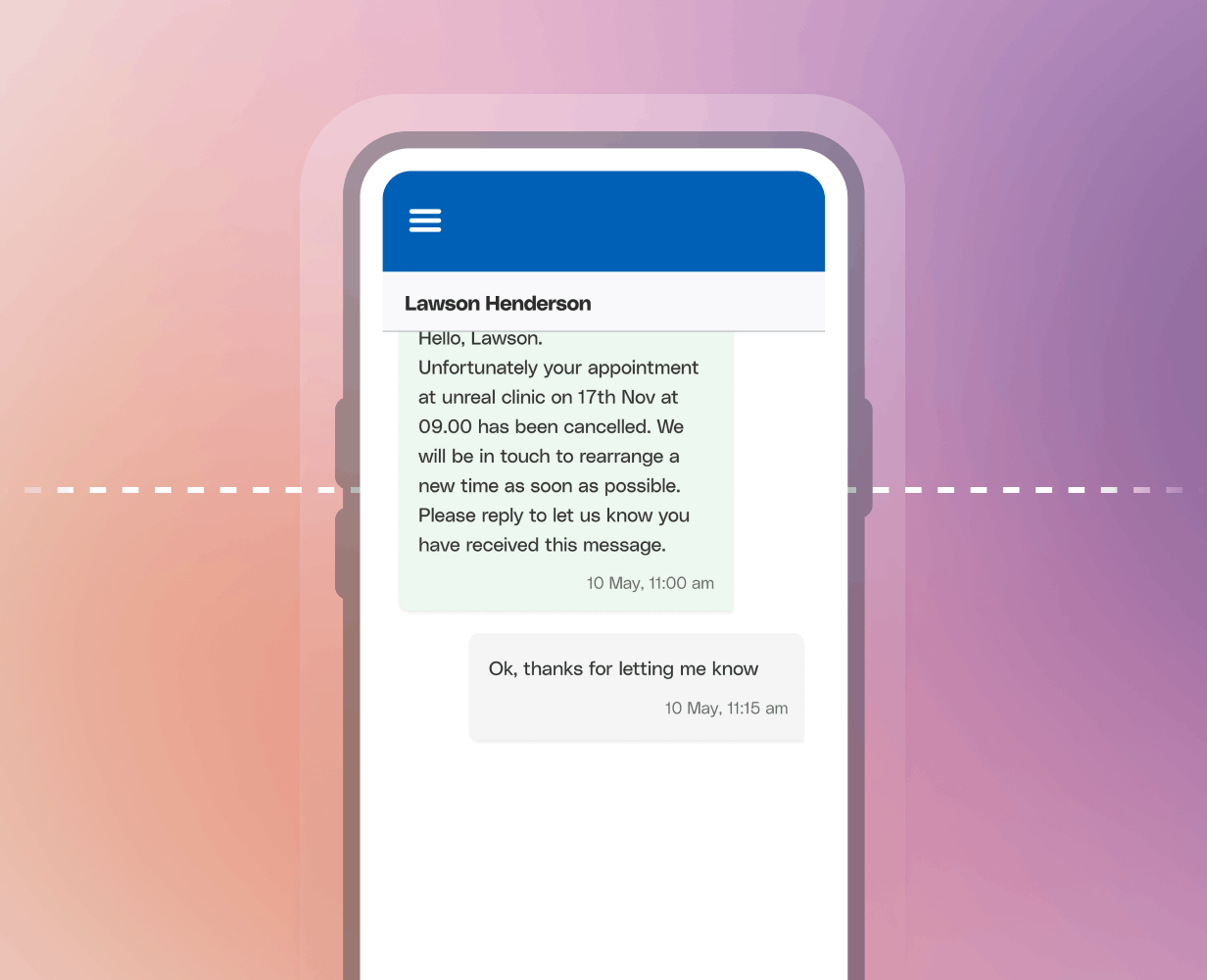
What Jen sees when she opens the link
She confirms three details, and her appointment, letters and messages are there. Where enabled, the same appointments show in the NHS App too.
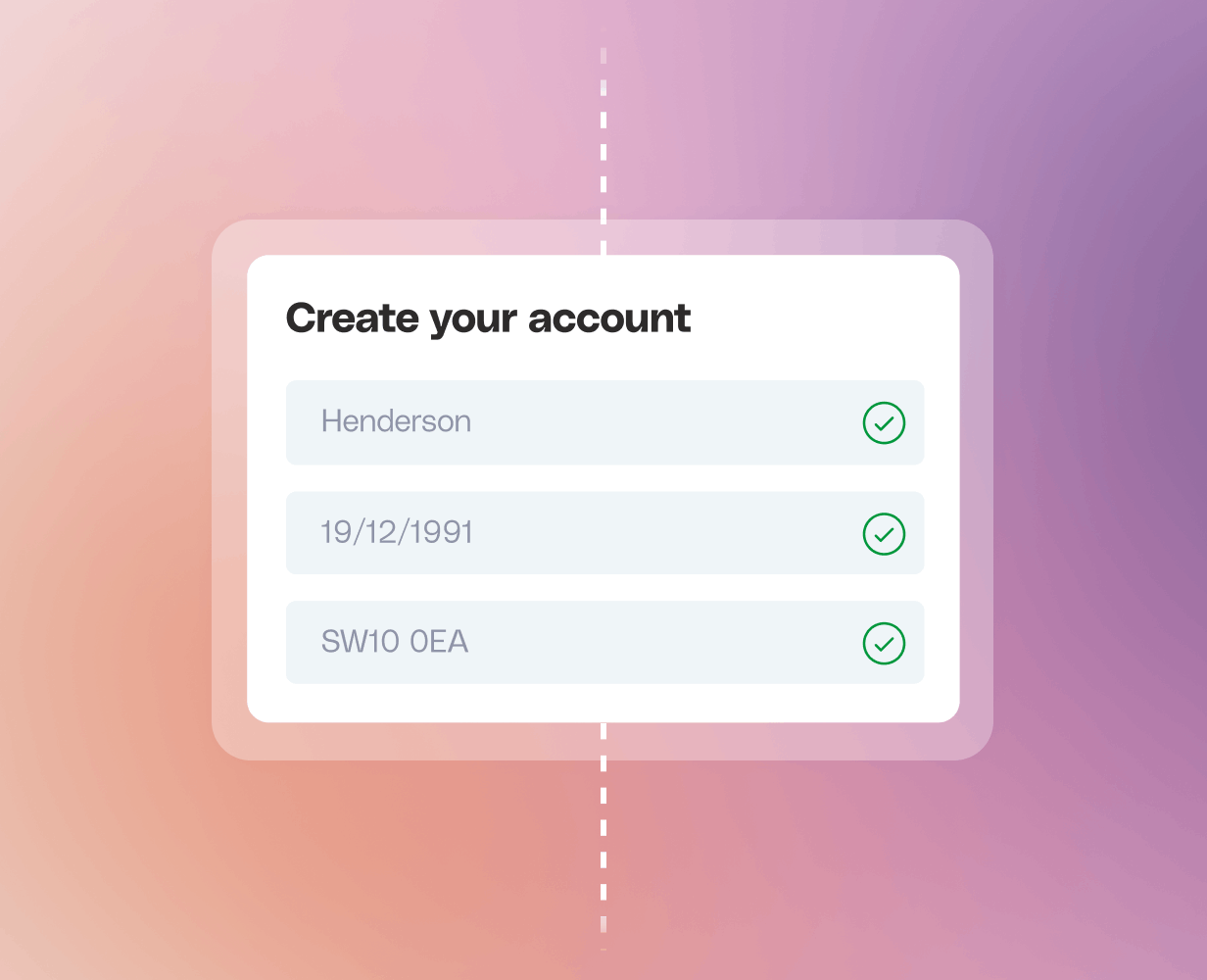
Three details and she is in
Her last name, date of birth and postcode, matched against your PAS. No password to forget and no reset email at eleven at night.
The DrDoctor product has exceeded our expectations. We were set-up and live within 12 weeks of signing the contract. After one year we have now sent over half a million digital invites.
Andrew Mullan
Service Improvement Lead, Bradford Teaching Hospitals

Related Case Study
Explore Case Study
Making Bradford a digital-first Trust
Bradford already had ideas on how technology could increase patient engagement and improve the experience, but how to tackle them and in which order was still a question.
Working closely with the team at Bradford, a plan was quickly put in place.
OUR PLATFORM
The tech behind every answer
Choose by the problem in front of you, whether that is the phone lines, the letters, the booking or the follow-up.
Core Communications
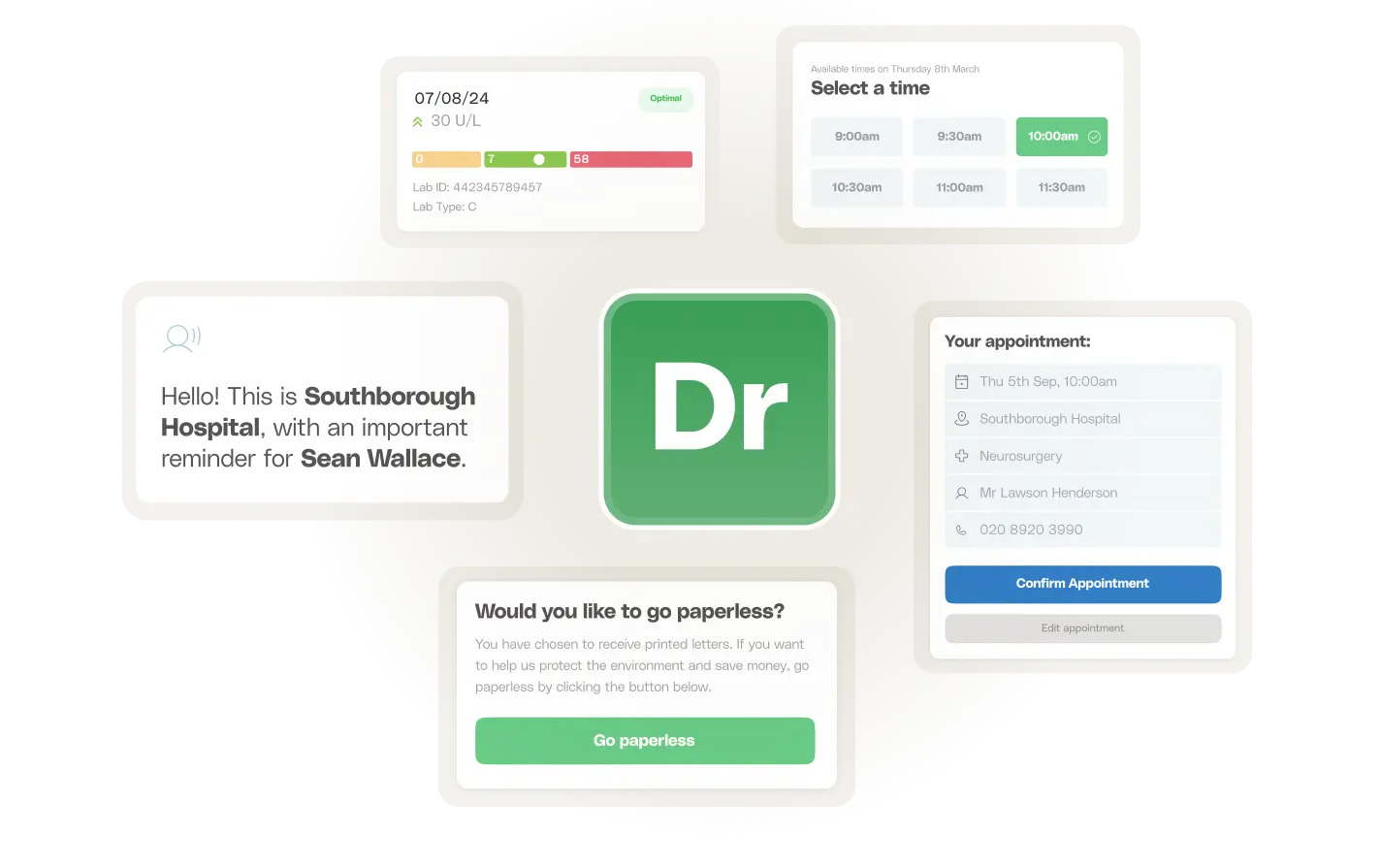
Appointment viewing, reminders, digital letters, video and messaging, with patients confirming, moving or cancelling themselves.
Voice Agents
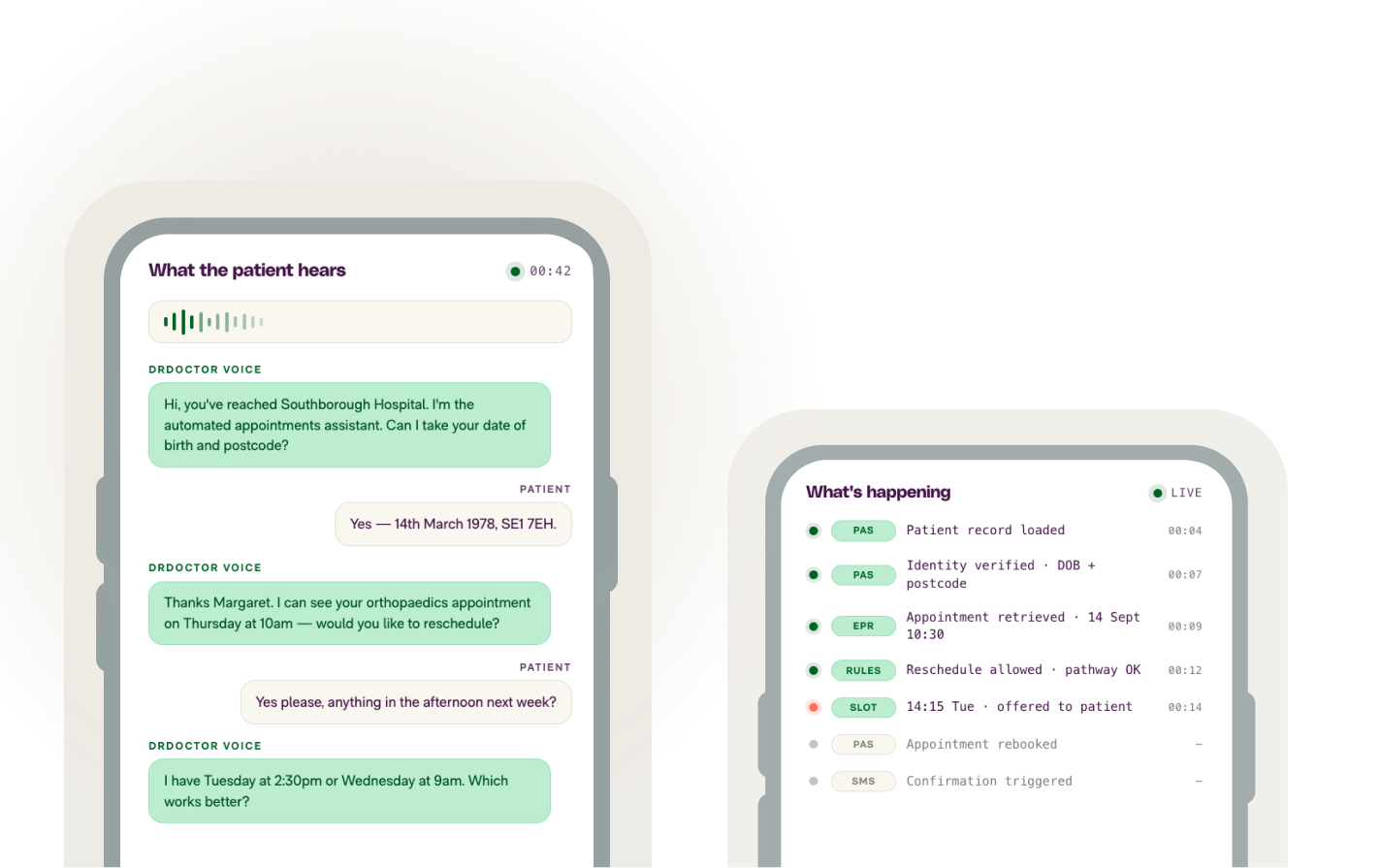
For patients who would rather ring: a caller that books, reschedules and answers routine questions in the patient's own language.
Care Hub
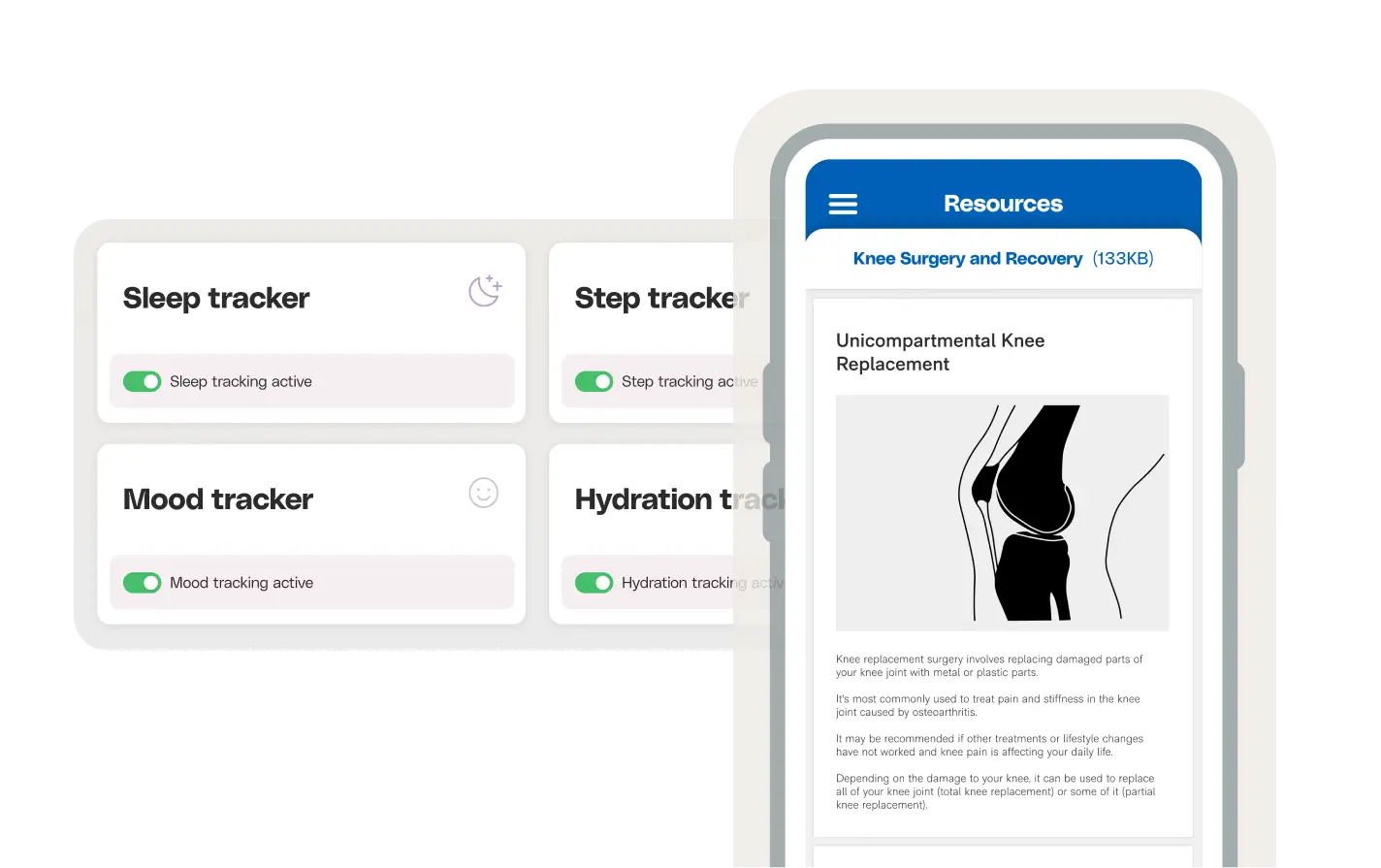
A personal health record: care plans, symptom trackers, mood diaries, test results and trusted resources, all in one place.
Scheduling Suite
Patients book and rebook into live slots, written back to the PAS or EPR so nobody rekeys it. Live slots need their own integration.
%20(1).png)
Pathway Transformation
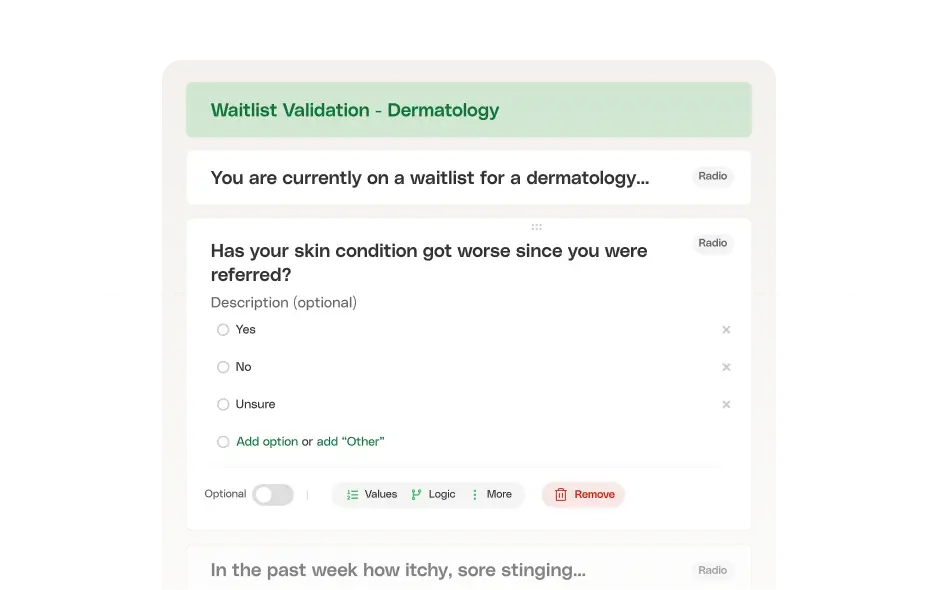
Forms, PIFU and automated write-back, so a pathway responds to what patients report rather than to the follow-up calendar.
Accreditations
Assurance questions, answered in writing
These four certifications, our assurance pack and our clinical safety file are on the Trust Centre, and our data protection officer answers IG questions in writing.

ISO 27001 Information Management Systems
Cyber Essentials Plus Certified

Data Protection and Security Toolkit (DPST) Standards Exceeded
Digital Technology Assessment Criteria (DTAC) Pass