Out platform asks every patient on the list whether they still need to be seen, so those who do move forward and the slots nobody needs go to someone else.
THE PROBLEM
Waiting list management still runs on the phone
A waiting list shows who was referred, not who still needs to be seen, and checking the gap falls to teams already stretched.
- Checked by phone
- Calls, then a letter, then more calls, for a list that runs to thousands.

- Answers get lost
- What a patient says ends up in a call note, so the next person asks again.

- Slots held too long
- Appointments held for people who no longer need them keep others waiting.

HOW IT RUNS
Ask the whole list, then work the exceptions
Your EPR holds the list. Our platform asks the patients on it and keeps what each one said, so nobody starts the conversation again.
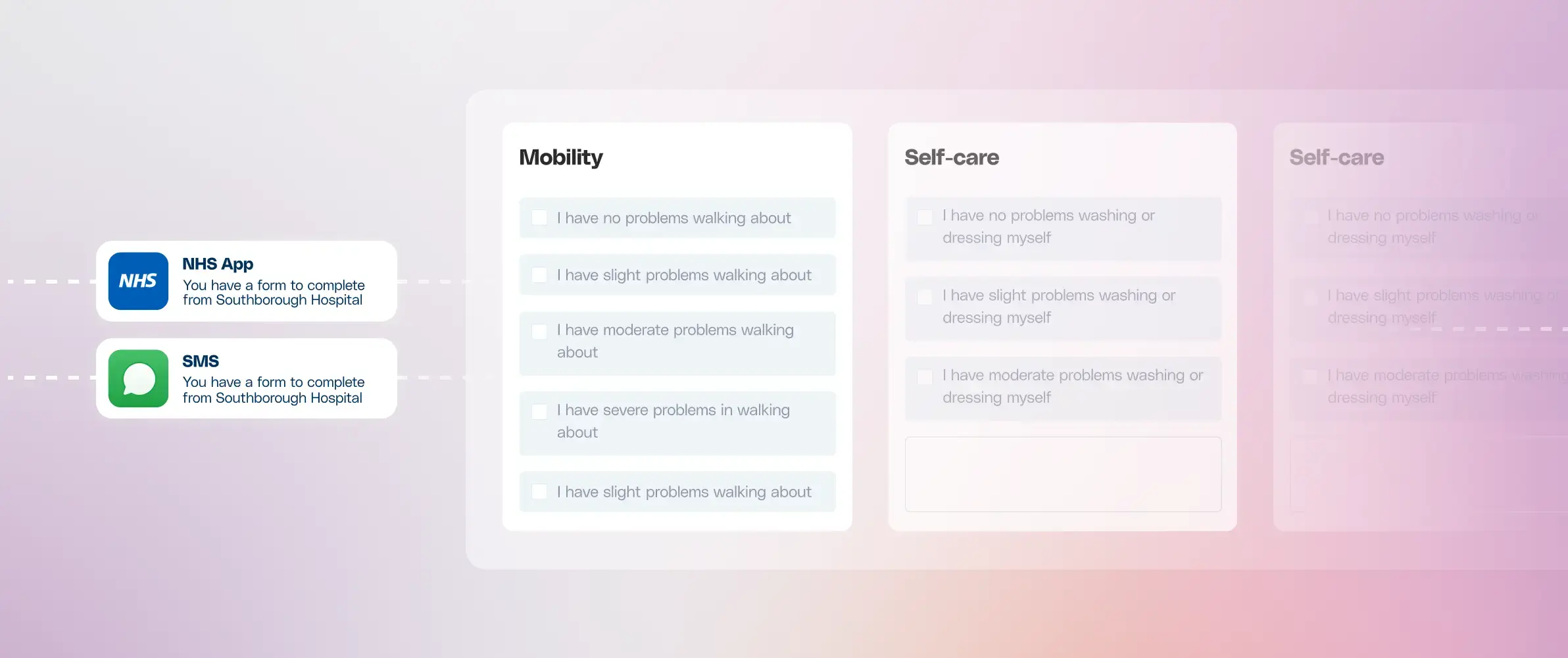
Reach everyone on the list
With Core Communications, every patient gets a question by message that they can answer in a couple of taps.
Questions built once
With Pathway Transformation, forms and PIFU are built once and reused, so each list does not start from scratch.
Chasing that runs itself
With Administrative Workflows, reminders go to patients who have not replied without anyone sending them.
THE ADMIN
Admin that scales with the list
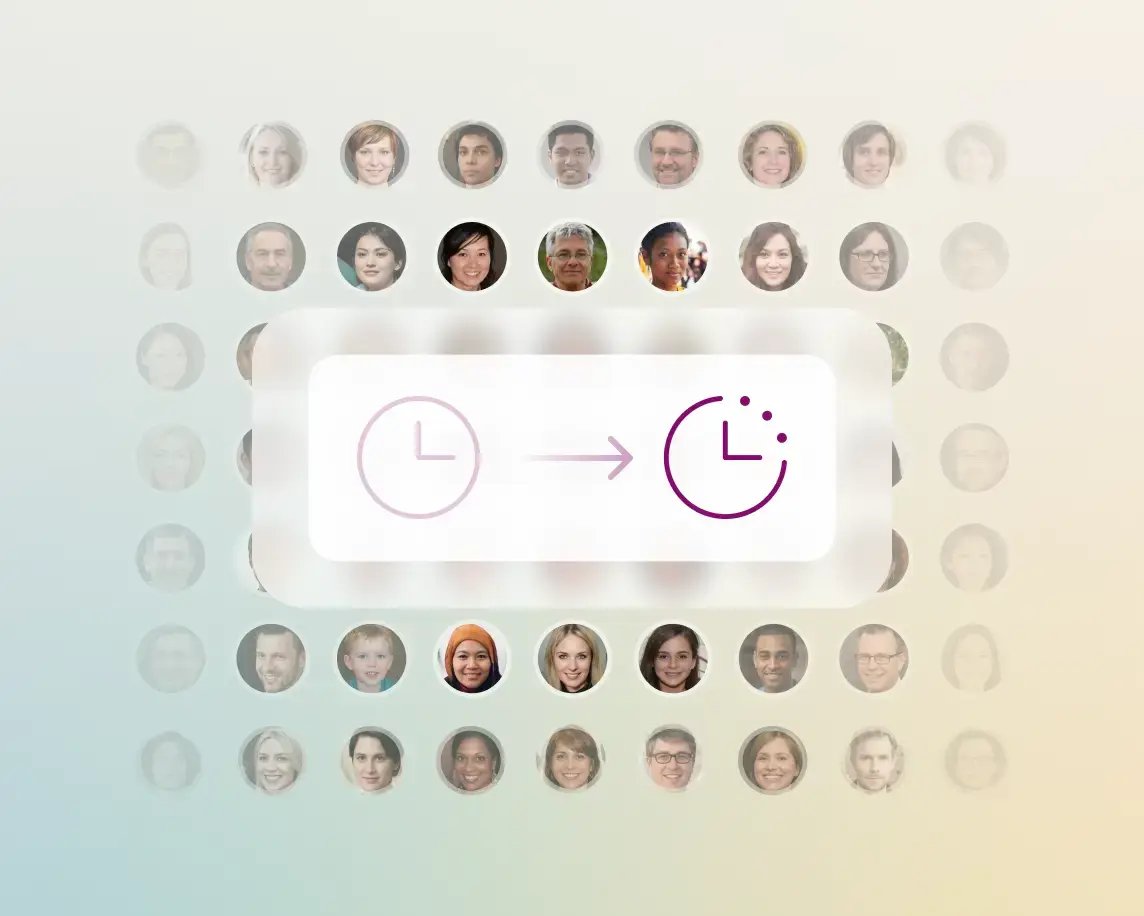
DrDoctor sends the questions, collects the answers and reminds the patients who have not replied, keeping the record in step where the integration supports it.
IN YOUR RECORD
Answers written back to your EPR
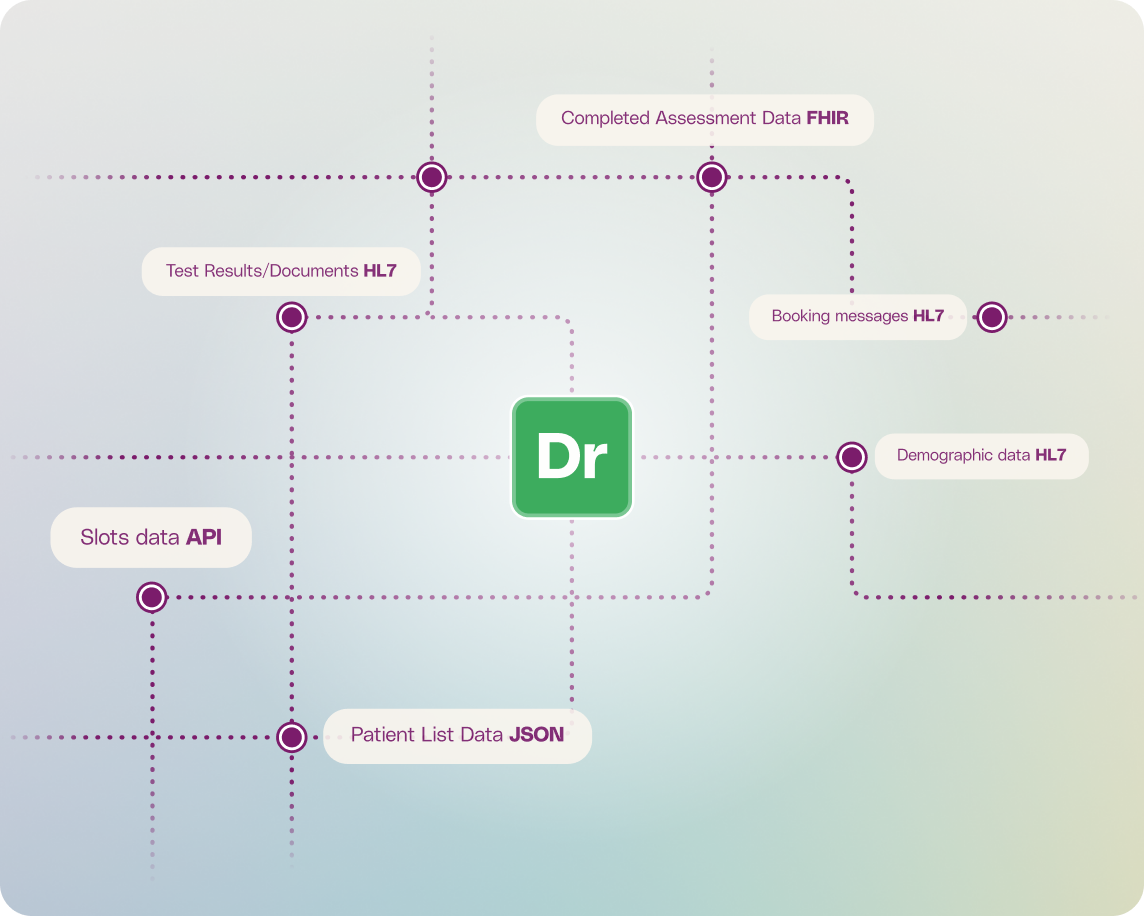
Where we are integrated, structured answers go back into the record, so the list your team works from matches the one the record holds.
WHILE PEOPLE WAIT
Patients can tell you if things change
DrDoctor keeps in touch while people wait, with updates on where they are and resources to help in the meantime. If anything changes, patients can say so and your team hears about it.
.svg)
Before DrDoctor, we had to call patients multiple times before writing to them about their need for an appointment. Now we're able to validate thousands of patients in just a few clicks.
Richard Bell,
Associate Director, NECU

Related Case Study
Explore Case Study
How NHS Scotland validated its lists
NECU swapped rounds of calls and letters for one SMS question, then used other routes for patients who did not reply.
Patients were also asked if they would travel for care, so demand could be shared across boards.