Your EPR knows who needs an appointment. It does not ring the patient who has not confirmed, or ask the list who still needs to be seen. We do.
Nobody has time for the work that saves an appointment
NHS England counted around 146.1 million outpatient appointments in England in 2024/25, around 5.6% of them missed. Your share of that is work nobody has the hands to do.
- Automate the routine, never not the lot
- Confirmations, reminders, rebooking offers and validation questions go out and come back on their own. Exceptions reach your team.

- One place for responses and replies
- Replies land in one place, and where we are integrated the structured responses return to the record rather than a spreadsheet.

- Data decides what happens next
- A follow-up is offered when it is clinically due, so the slot goes to somebody who needs it rather than to a six month interval.

PATHWAY TRANSFORMATION
The small actions across the week run on their own
A service writes down what should happen and when: the message, the question, the reminder, and the gap between them. That is the pathway every patient on the list then follows.

Set up once
Timings, branches and wording are agreed once with your service, then the pathway runs itself. Changing it later is a settings change, not a project.
Enrol a whole list
A service enrols an entire list in a few clicks, and each patient then moves through the steps their own pathway defines.
Change one thing
Moorfields switched booking confirmations off trust-wide in December 2025, and read rates went from 49% to 56% inside a month with nothing else changed.
BEFORE THE APPOINTMENT
Four things wait on somebody having time
Asking the list, offering the appointment, taking the booking, and the months of waiting in between. Your team picks up only what needs a person.

Ask the list who still needs to be seen
Replies come back structured and land in one place. The exceptions reach your team, and the capacity that comes back goes to the people still waiting.


CLINICAL PATHWAYS
Follow-ups booked by convention is an expensive habit
Changing it means knowing how somebody is before the appointment is due. We ask before the follow-up falls due, so the slot goes to a patient who needs it.

A form comes back and the next step starts
A completed form or a returned result can trigger a letter, a message, a slot offer or a task on somebody's worklist.
Patients come back when something has changed
Patients book when they need to, rather than at an interval set months earlier, and routine reviews stop taking clinic slots.
A four minute review, not a clinic slot
At Nottingham, reviewing a digital appointment and recording its outcome took four minutes on average, in oncology in 2019.
We do most of the connection work
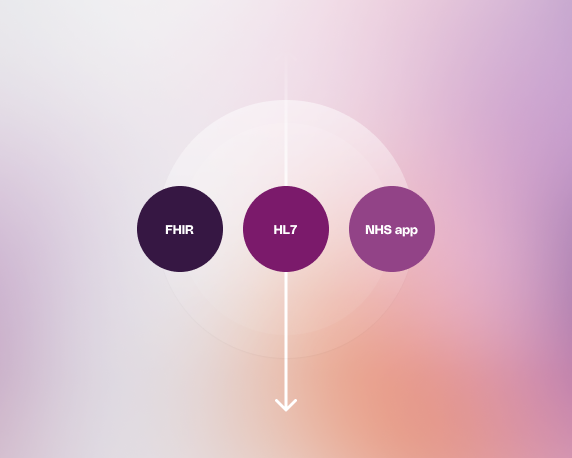
We connect through the integration engine your trust already runs, over HL7, FHIR or API. The data feed and the connectivity stay with you.
Go live before the integrations feed does
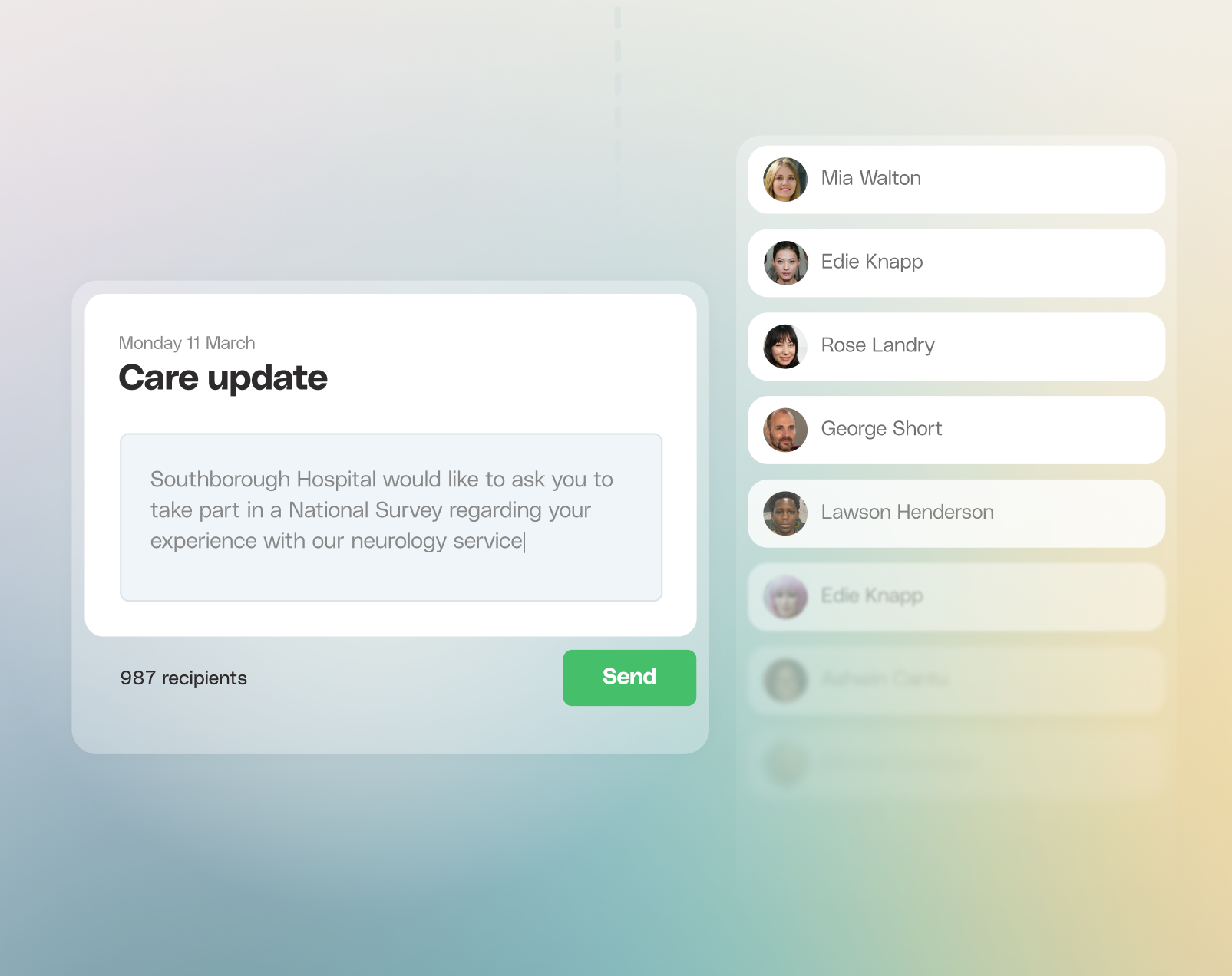
Broadcasts, validation questions and unintegrated booking run from a patient list and need no feed, so they go live while the connection work runs alongside them.
Reach the patients most likely to slip
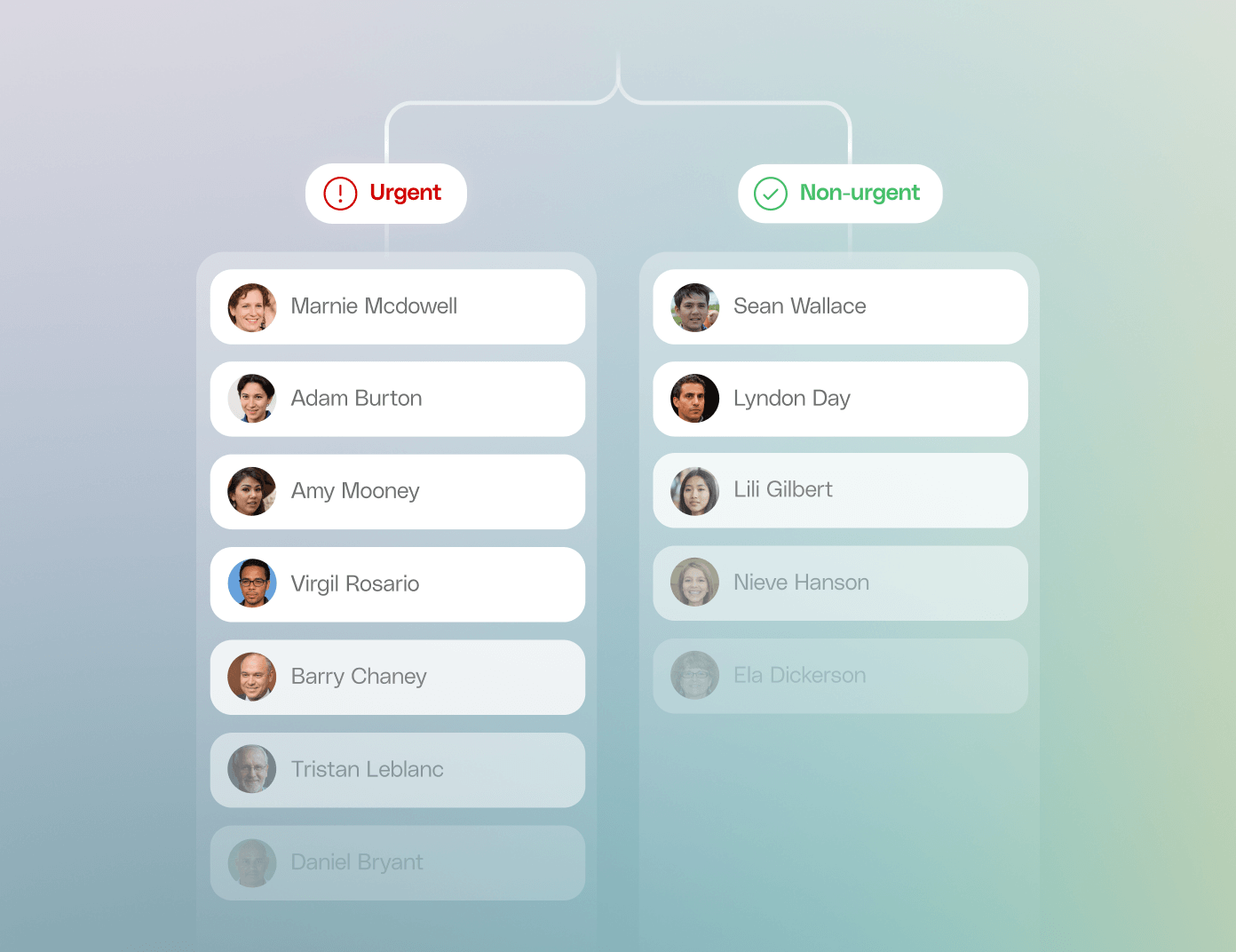
Appointments booked a long way out are cancelled more often, and the rate climbs each time one is moved. Those are the patients to message first, and our system can orchestrate.
The DrDoctor product has exceeded our expectations. We were set-up and live within 12 weeks of signing the contract. After one year we have now sent over half a million digital invites.
Andrew Mullan
Service Improvement Lead, Bradford Teaching Hospitals

Related Case Study
Explore Case Study
Making Bradford a digital-first Trust
Bradford already had ideas on how technology could increase patient engagement and improve the experience, but how to tackle them and in which order was still a question.
Working closely with the team at Bradford, a plan was quickly put in place.