MSK, midwifery, podiatry and district nursing each run a different week, and most still keep in touch by letter and phone. We confirm, remind, ask and rebook for all of them.
The contact fits each service
Community services share a division, a budget and very little else. Caseloads rather than clinic lists, visits as well as appointments, and teams small enough that one person leaving takes the process with them.
- Service by service
- One platform across the division, with wording, timing and rules set separately for each service.

- Sent on their own
- Reminders, confirmations, rebooking offers and questions go out and come back on their own. Exceptions reach a person.

- The months between
- Most of a community pathway is time between contacts. Updates and a route back into the service run through it.

WHERE TO START
Community divisions start with communications
Communications run off a patient list rather than an interface, so the first service can start while the connection work goes on beside it. Trusts that switched reminders on saw missed appointments fall by up to 31%.
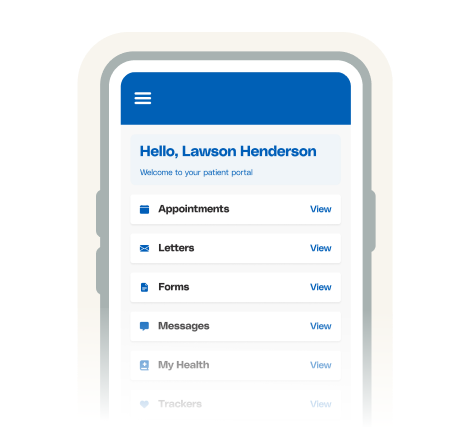
Appointment Viewing
Appointments, letters and messages in one place, opened from a text link, with nothing to download and no password.
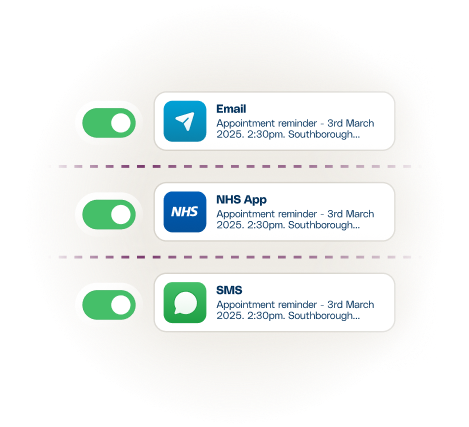
Appointment Notifications
Reminders and updates timed service by service, sent to whichever channel the person is reachable on.
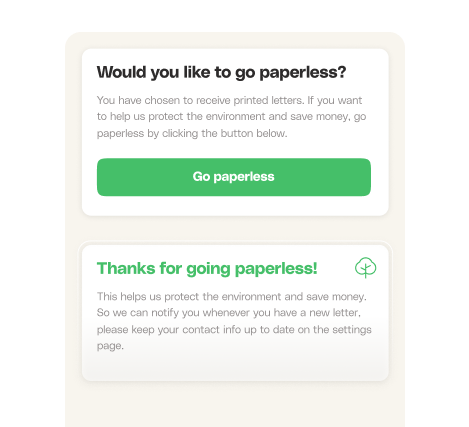
Digital Letters
The letter goes digital first and reverts to post automatically if it is not opened, configurable clinic by clinic.
The front door opens onto a visit as well as a clinic
A digital front door that only opens onto a clinic appointment is no use to half a community division. DrDoctor carries whatever your record system holds for that appointment and does the contact around it, the same way it does for a clinic slot.
WHILE PEOPLE WAIT
Keep in touch from the day the referral is accepted
Most of a community pathway happens before anybody is seen. A referral can sit for months, and what runs through those months decides how many people are still reachable when the appointment comes round. It runs off the referral list, so it starts before anything is connected.
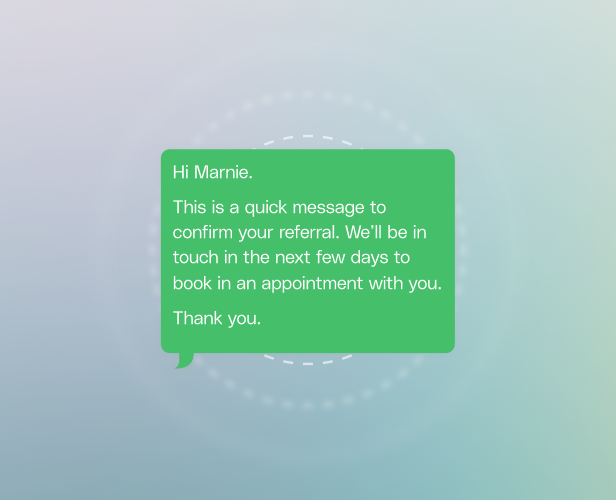
The referral has arrived
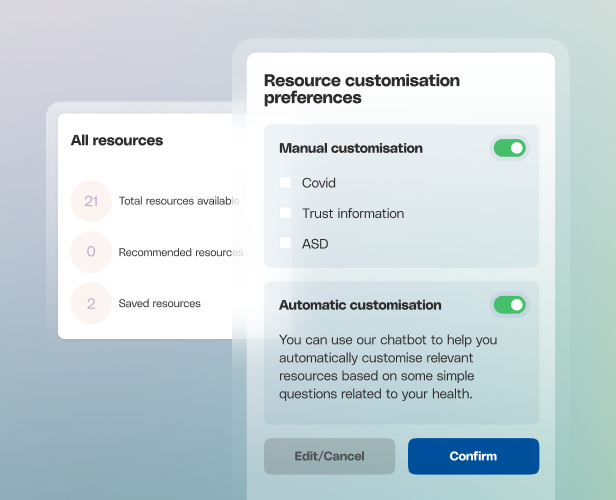
Somebody who knows they are on the list is easier to keep hold of through the months that follow. A message goes out to a whole list as soon as a referral is accepted, telling people they are on it, what happens next and roughly when. Onboarding onto the NHS App can happen in the same step.
BOOKING AND REBOOKING
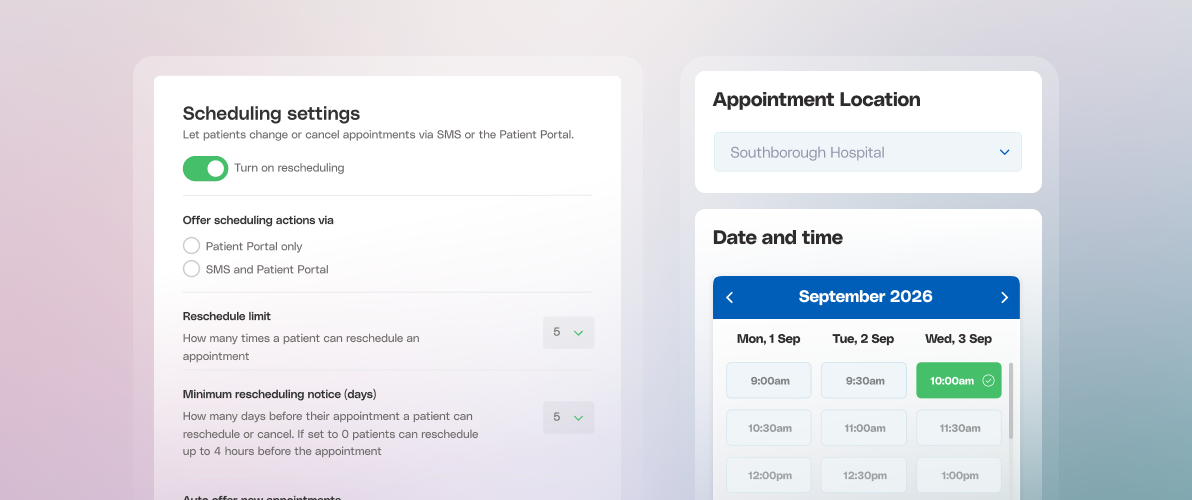
Patients ask for a different date from the message instead of ringing
A community caseload is booked in more ways than a clinic is. Some services offer a slot, some agree a window, some send somebody out. What they all share is what goes wrong: the date stops working and the contact is lost rather than moved.
Up to 31%
Fewer missed appointments at trusts that switched reminders on.
11500+
Appointments a year repurposed at Avon and Wiltshire Mental Health Partnership.
479
The equivalent in extra clinic days a year, at the same trust.
BETWEEN APPOINTMENTS
The plan goes home with the person
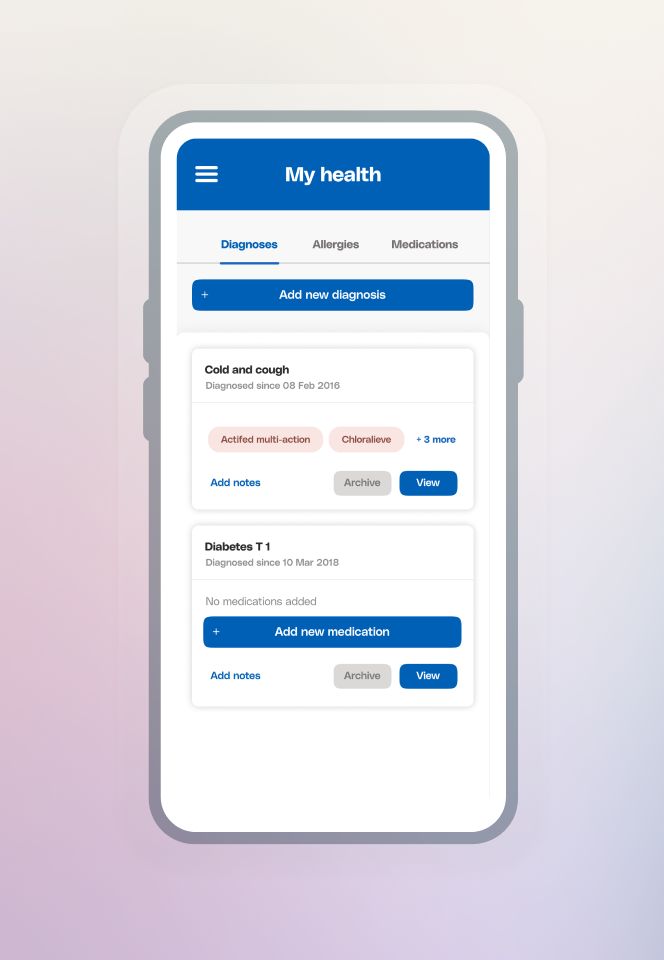
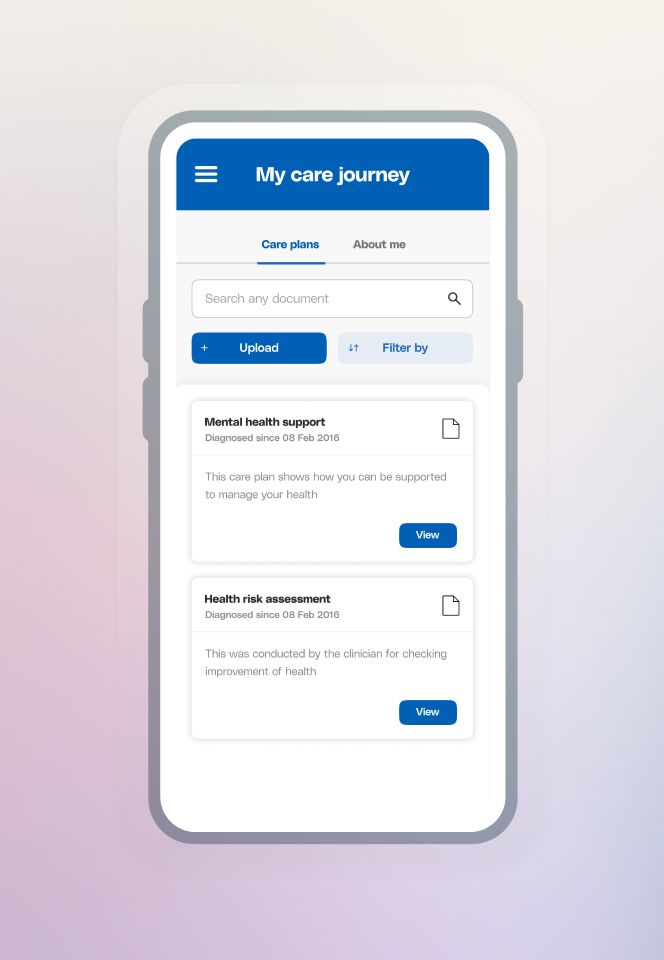
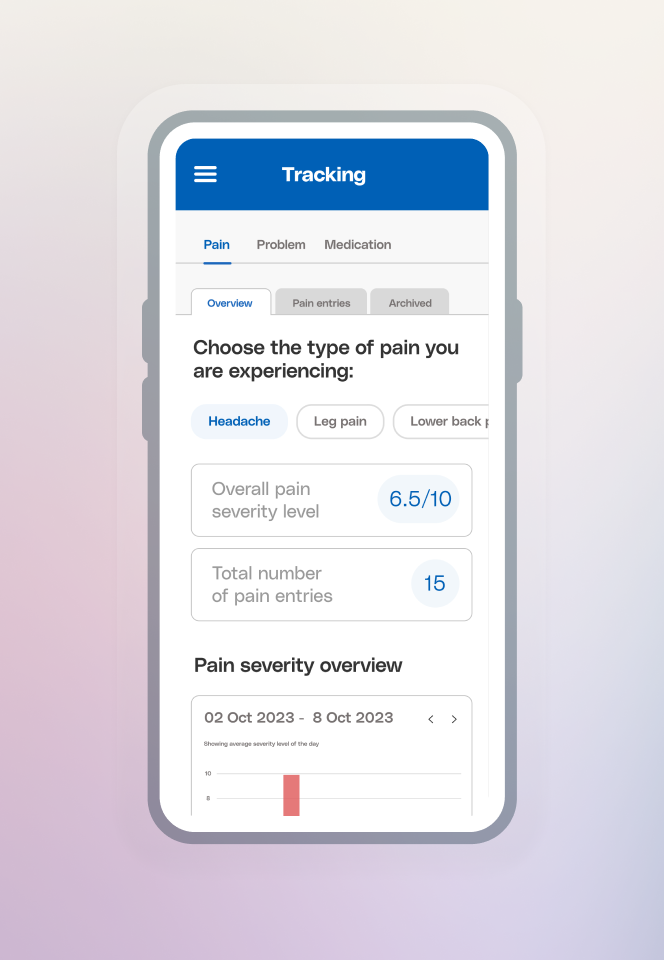
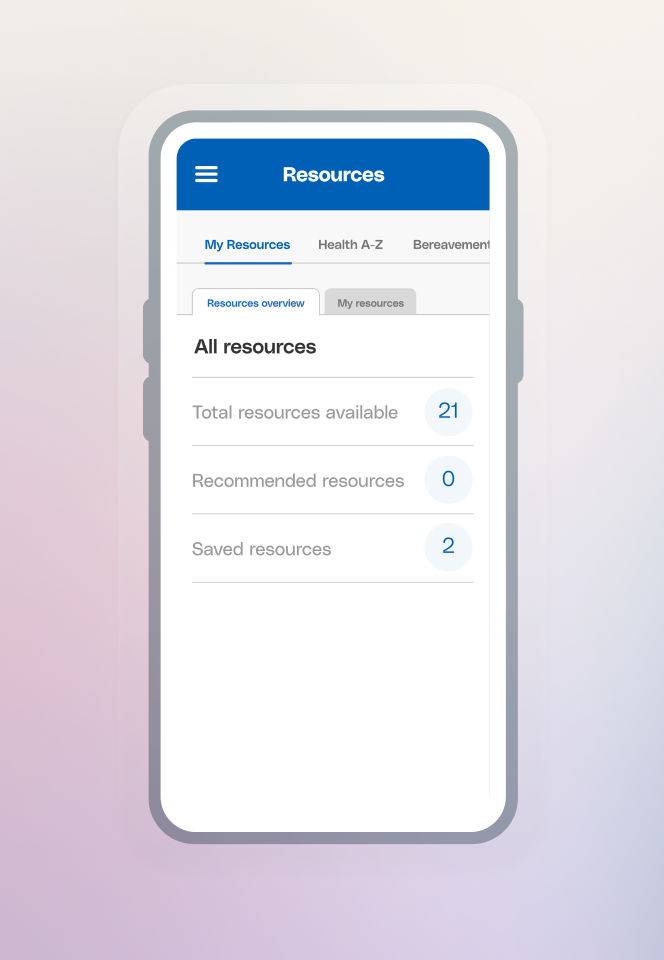
Community pathways are long, and most of a person's year on one happens with nobody in the room. Care Hub holds it in one place, to look up or send in between visits.
Care plans people can actually open
Care plans and structured documents in one place, written with the person rather than at them, so the plan agreed in the room is the one they have at home.
One place for results and notes
Test results, treatment plans and shared notes, in a single view, so a person is not ringing the team to ask what was said.
Diaries, logs and symptom trackers
People record what they want the team to know between contacts. It arrives as structured information rather than as a phone message somebody has to write up.
Information that is safe to send
Regulated, plain-English health information, so the team is not photocopying leaflets and people are not searching for their condition on their own.
EMIS, SystmOne and RiO each give back something different
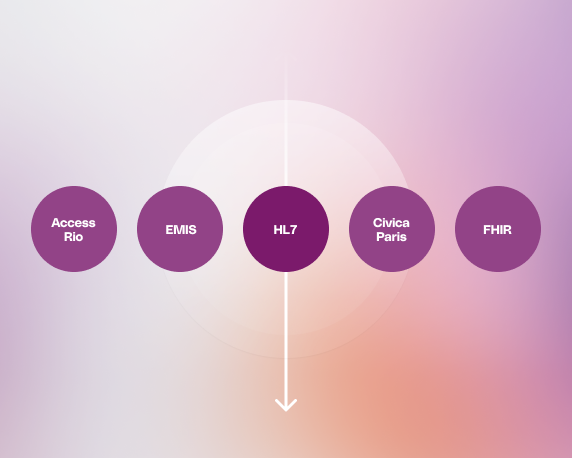
What each system hands back decides what a service can switch on. RiO and EMIS take appointments over API, SystmOne over a bespoke JSON extract, and EMIS appointment write-back is a limitation we have not solved.
Post still goes where digital cannot
Around a third of patients across the trusts we work with have an email address held, and coverage runs from 73% at one trust to 5% at another.
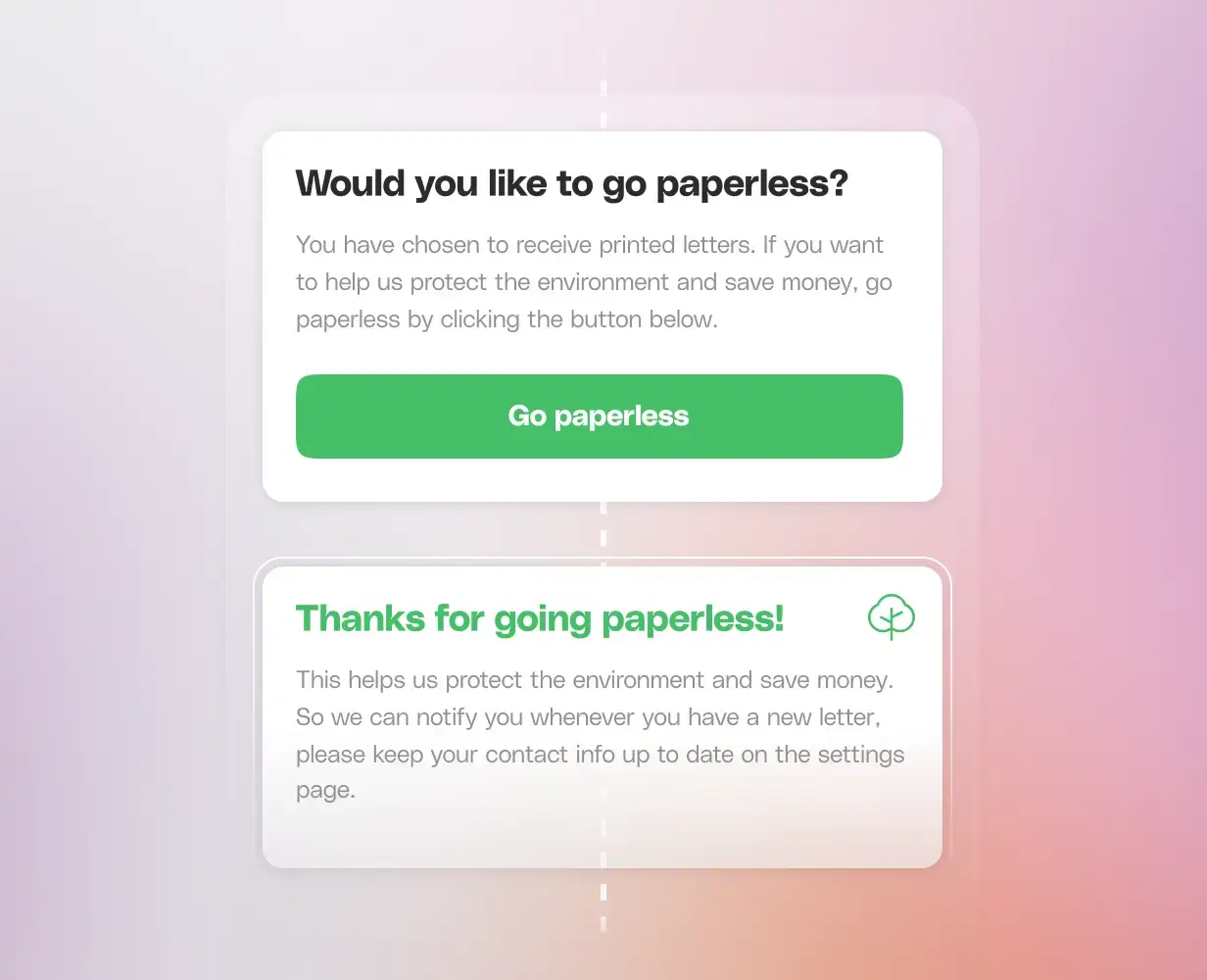
Every digital letter reverts to post automatically, and can go in Easy Read, large font or Braille, which always comes by post. Patients at risk, national screening, HMP and Armed Forces are never routed digitally.
Get started before the integration lands
Community integrations are rarely quick, and a division has months of work it can do first. Broadcasts, questions to a list and unintegrated booking need a patient list rather than a feed, so they run while the connection work goes on beside them.
.png?width=1605&height=1272&name=Image%20-%20Ask%20a%20clear%20question.%20Get%20answers%20at%20scale%20(2).png)