A service holds the same people for years, still mostly by letter and phone. DrDoctor keeps that contact going between appointments and brings the answers back to your team.
The contact has to last as long as the caseload
In mental health the relationship is the service. The contact that holds it together is mostly manual, and it is the first thing to go when a team is short.
- The message arrives
- Two years on, after an address change and a new phone number, a message from your service still reaches the person it is for.

- The form comes back
- A questionnaire sent before the appointment comes back to the team looking after that person, ready to read before they meet.

- In your words
- Every message carries your service name and your words, down to what you call the people you see.

WHERE TO START
Read the assessment before the service user is in the room
Most settings start with reminders. Mental health services often start with the questionnaire, because the assessment is what the appointment runs on. Sent ahead, it comes back to a work-list for a clinician to read before the session.
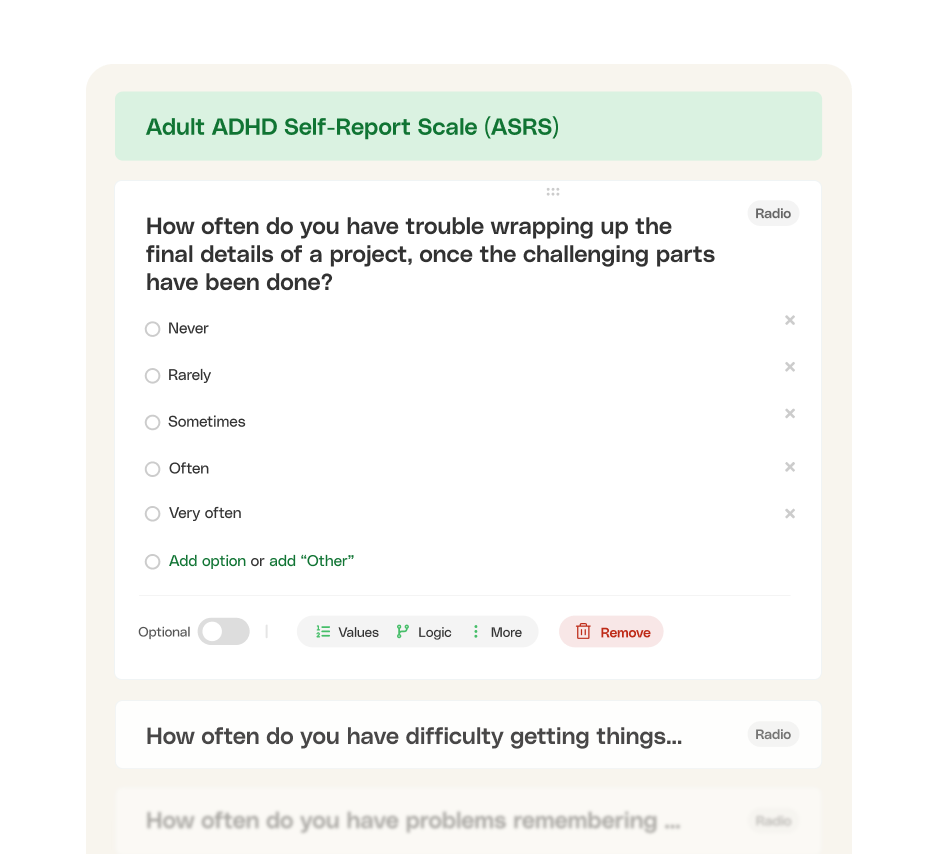
Automated Forms
PROMs, assessments and service-specific questionnaires, built by your team or taken from the library, and answered at home.
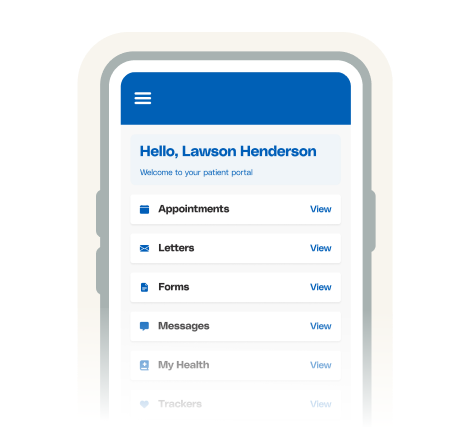
Appointment Viewing
Appointments, letters and messages in one place, opened from a text link on any phone. Nothing to download, no password.
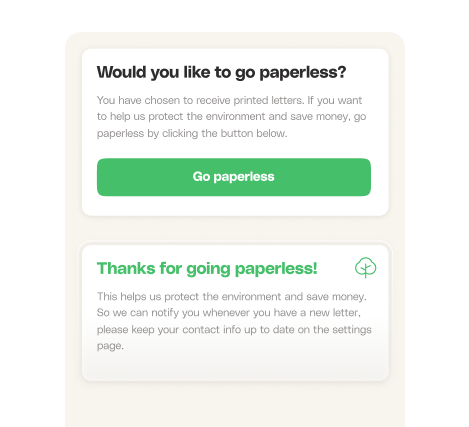
Digital Letters
The letter goes digital first and reverts to post automatically if it is not opened.
DURING THE WAIT
Your service can stay in touch through the whole wait
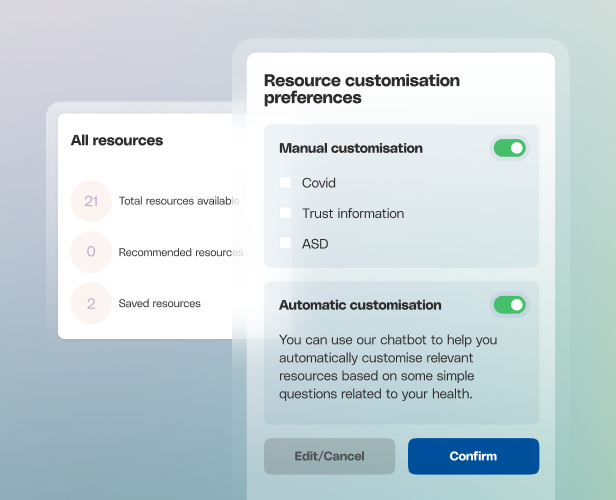
The time between triage and treatment is a powerful window to engage, support behaviour change, and improve overall health. Passive waits become active steps toward better health.
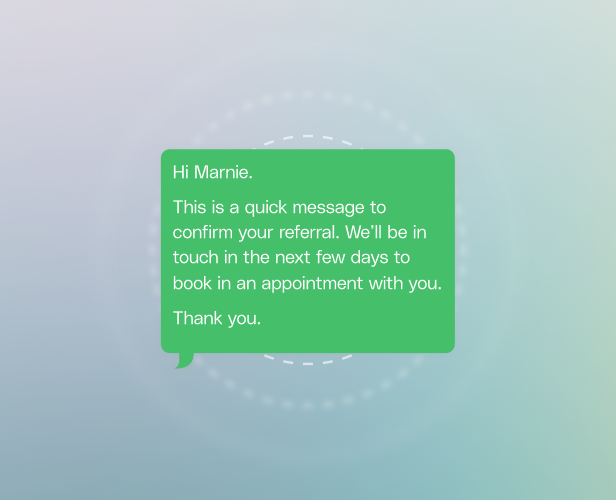
The referral has been accepted
One message the week the referral lands: you are on the list, this is what happens next, roughly when, and how to reach us. NHS App onboarding happens in the same step.
BOOKING AND REBOOKING
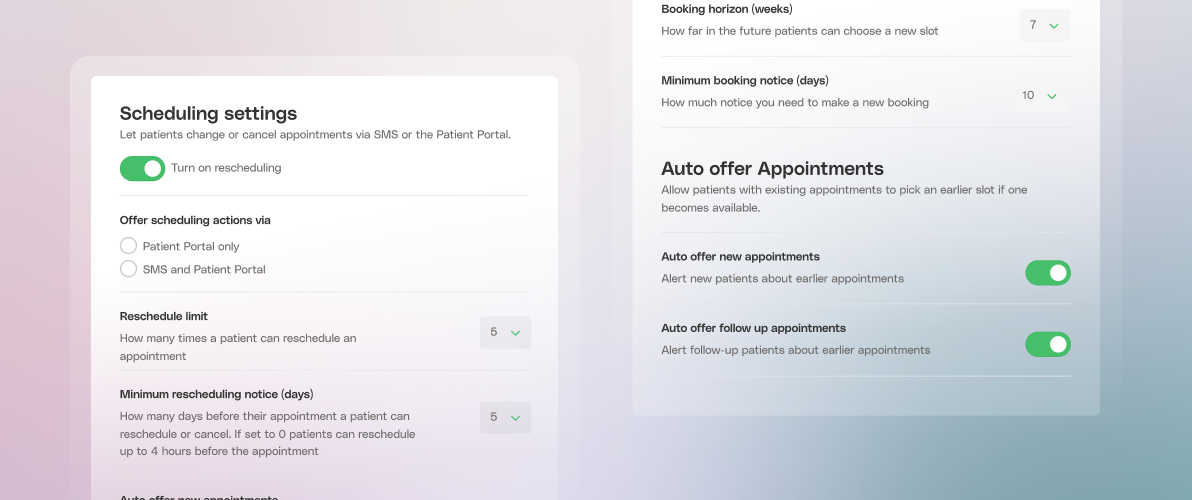
Nobody drops off the list because of a phone queue
In mental health a missed appointment is rarely an empty slot. It is usually somebody stepping away from care, and the next date is weeks off. When a date stops working, the only way to say so is often a telephone queue.
Up to 31%
Fewer missed appointments at trusts that switched reminders on.
11500+
Appointments a year repurposed at Avon and Wiltshire Mental Health Partnership.
479
The equivalent in extra clinic days a year, at the same trust.
BETWEEN APPOINTMENTS
What people send from home reaches the team looking after them
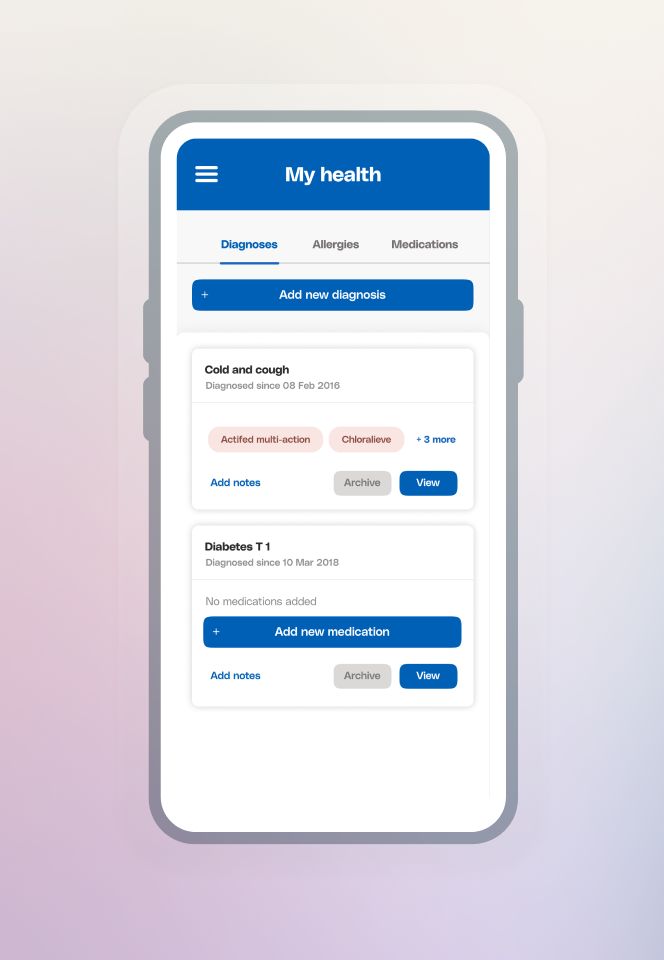
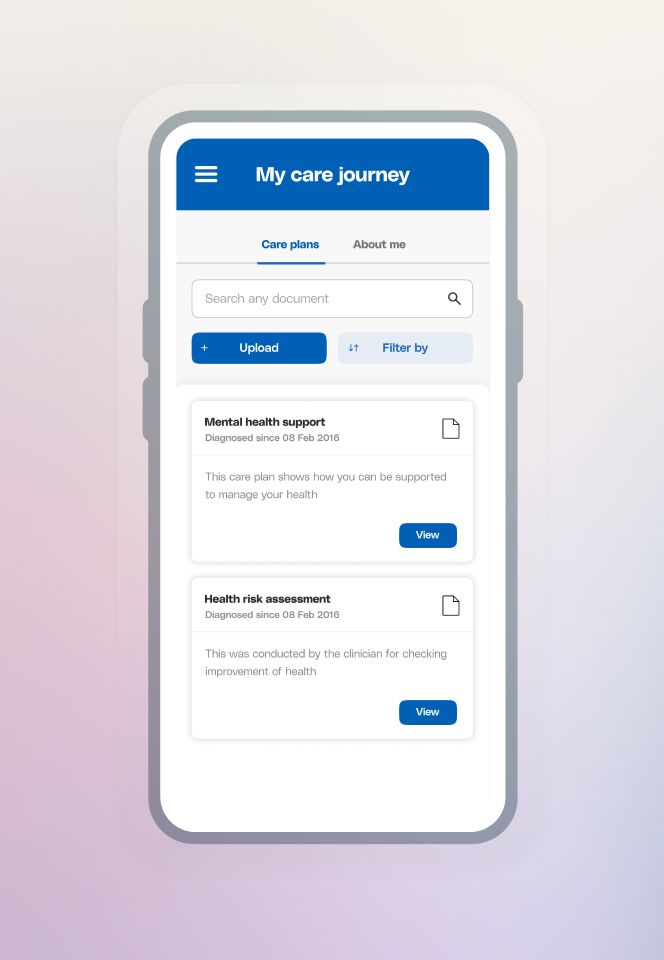
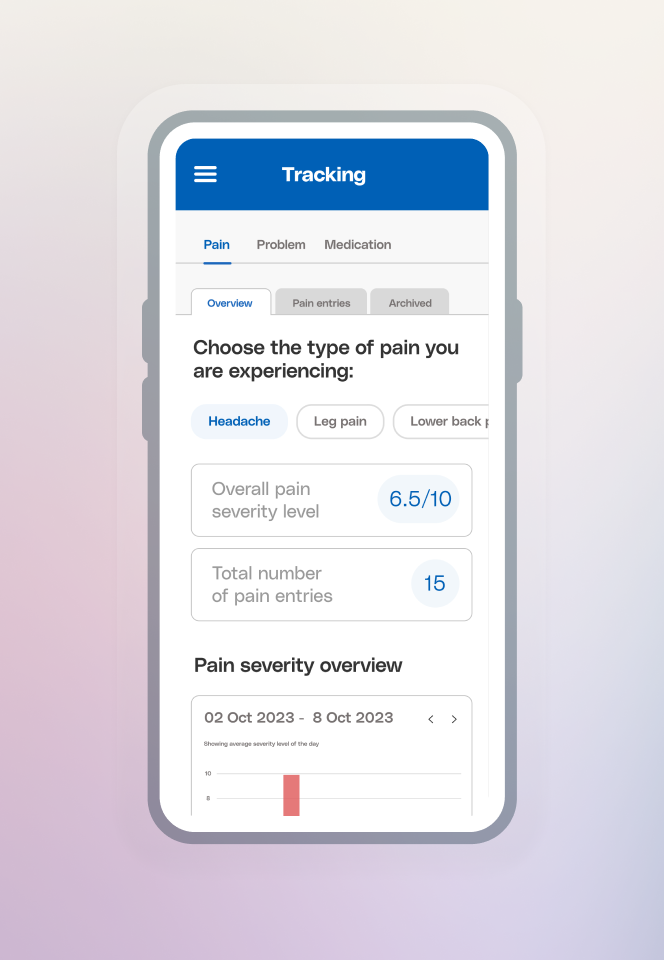
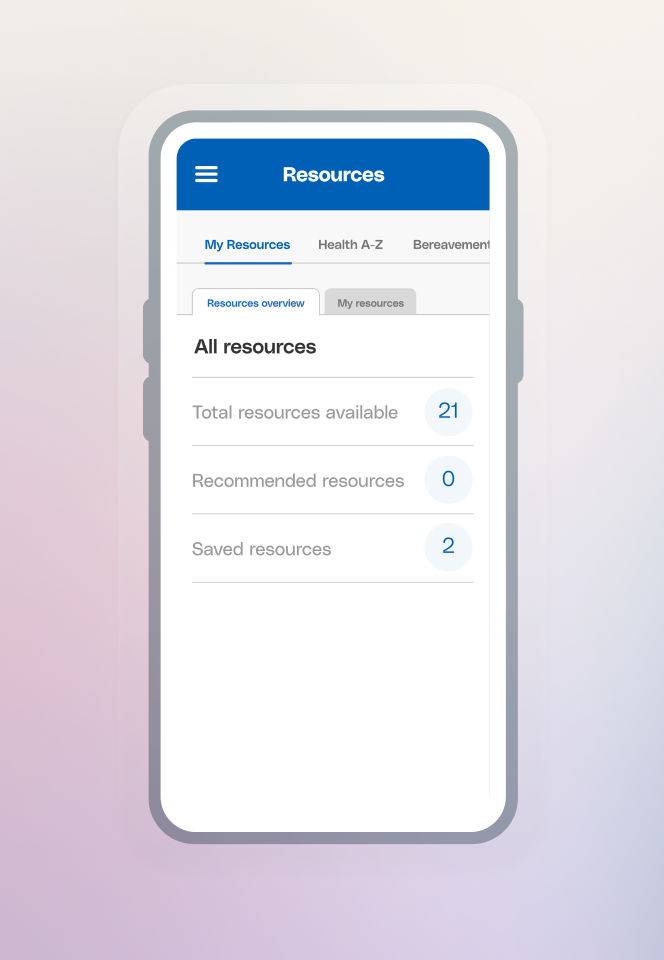
Care Hub is where the between-appointments part sits: what somebody records at home, what the service shares back, and the plan they agreed together. What arrives is structured rather than a message somebody has to write up.
Care plans somebody can open again
Care plans and structured documents written with the person rather than at them, so the plan agreed in the appointment is the one they still have a fortnight later.
Results and plans in one view
Test results, treatment plans and the notes the service shares, in a single view, so somebody is not ringing the team to ask what was said.
Diaries, logs and trackers
Service users record what they want the team to know between appointments.
Regulated health information
Regulated, plain-English health information, so the team is not photocopying leaflets.
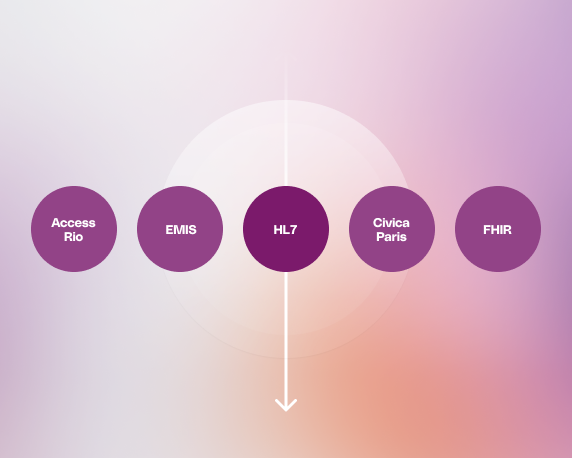
Connected to EMIS, RiO, SystmOne and more
What your build actually supports is checked with your integration lead before anything is promised, because trust-side builds vary.
The first team persuades the next
The risk here is adoption rather than technology. A service can talk to its waiting list before the connection work is done. We stay with each team until the new way runs without us, and communications are included, so the next team adds nothing to the SMS bill.