Preoperative assessment questions go out early, changes in the wait reach your team before the day, and recovery is followed from home after surgery.
THE PROBLEM
The gaps sit before and after the operation
Between listing and recovery, the service often hears least from the patient when it matters most.
- Found on the day
- A medication not stopped or a result not chased turns up on the morning of surgery.

- Changed in the wait
- Health, address or plans change while patients wait, and the service is often last to know.

- Silent after discharge
- Between going home and the first follow-up, the service usually hears nothing.

Patients hear from you from day one
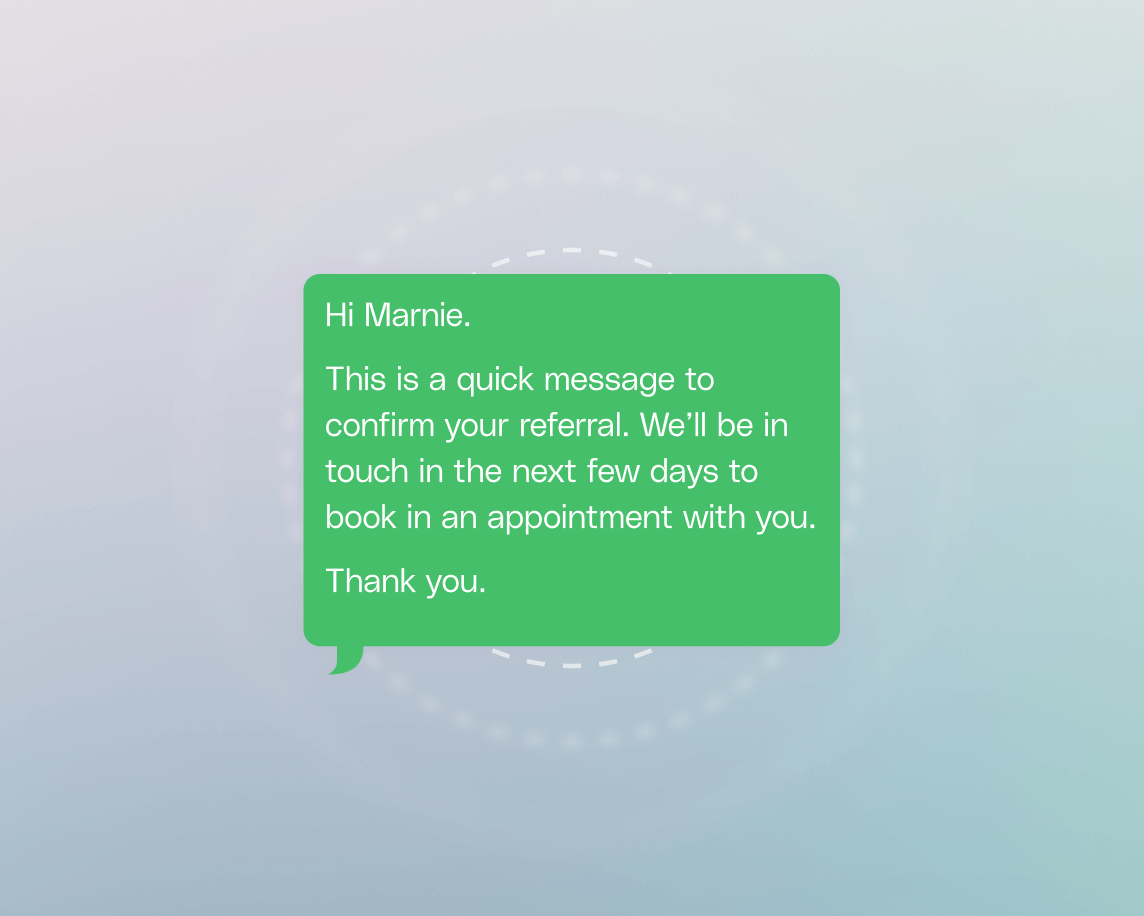
Once a referral is accepted, Core Communications confirms it has arrived, says what happens next and gives the patient a way to reply from a text link.
Pre-op answers reach the team early
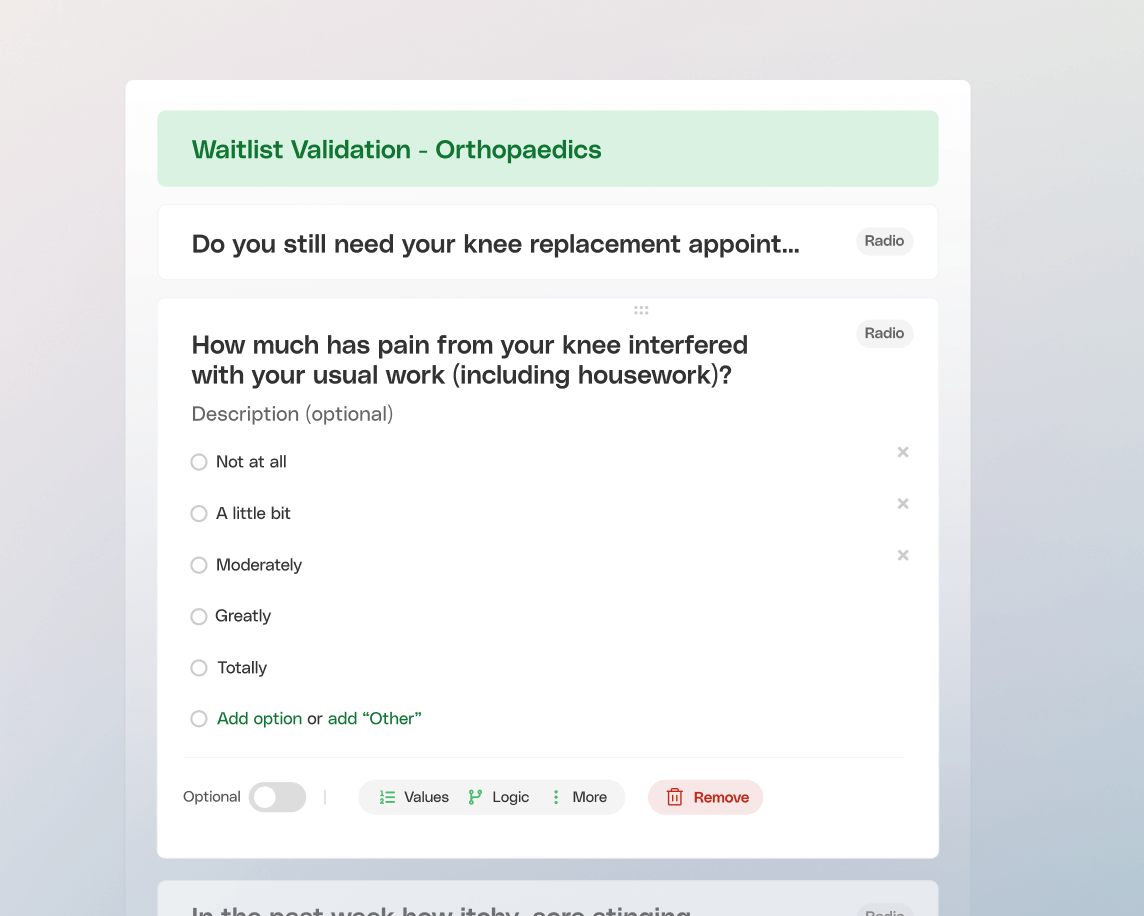
Clinical Pathways puts pre-op assessment answers in one work list for the nurse, anaesthetist or surgical team, with no clinical action taken without review.

What early answers change
A medication to stop or a result to chase, found weeks before rather than on the morning.

Who this will not reach
Where the trust holds no contact details, a form cannot be sent, and those patients still need a call.
Help patients wait well for surgery
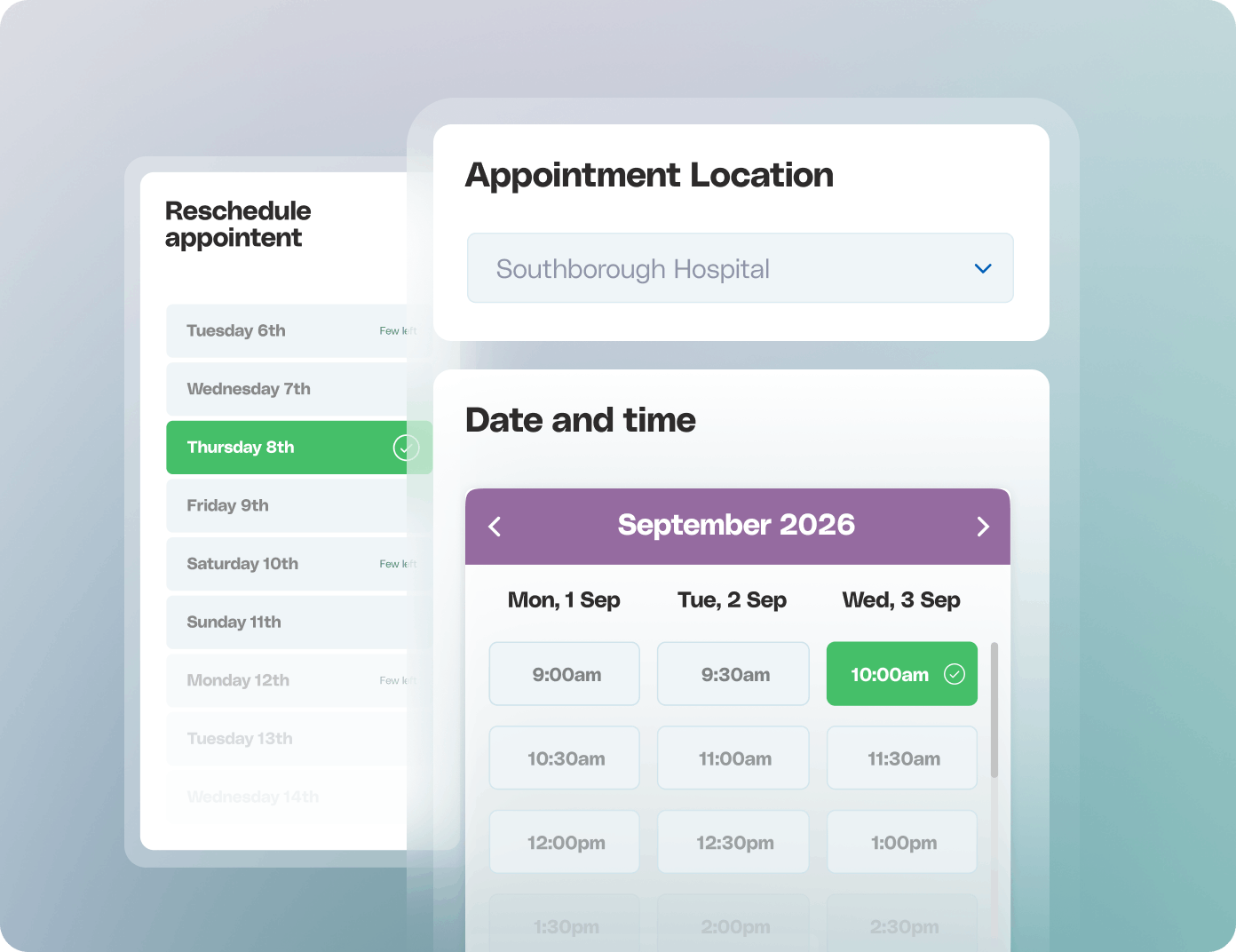
Timed messages ask what has changed and send guidance on how to prepare, who to ring and when. Each answer reaches your team in a work list.
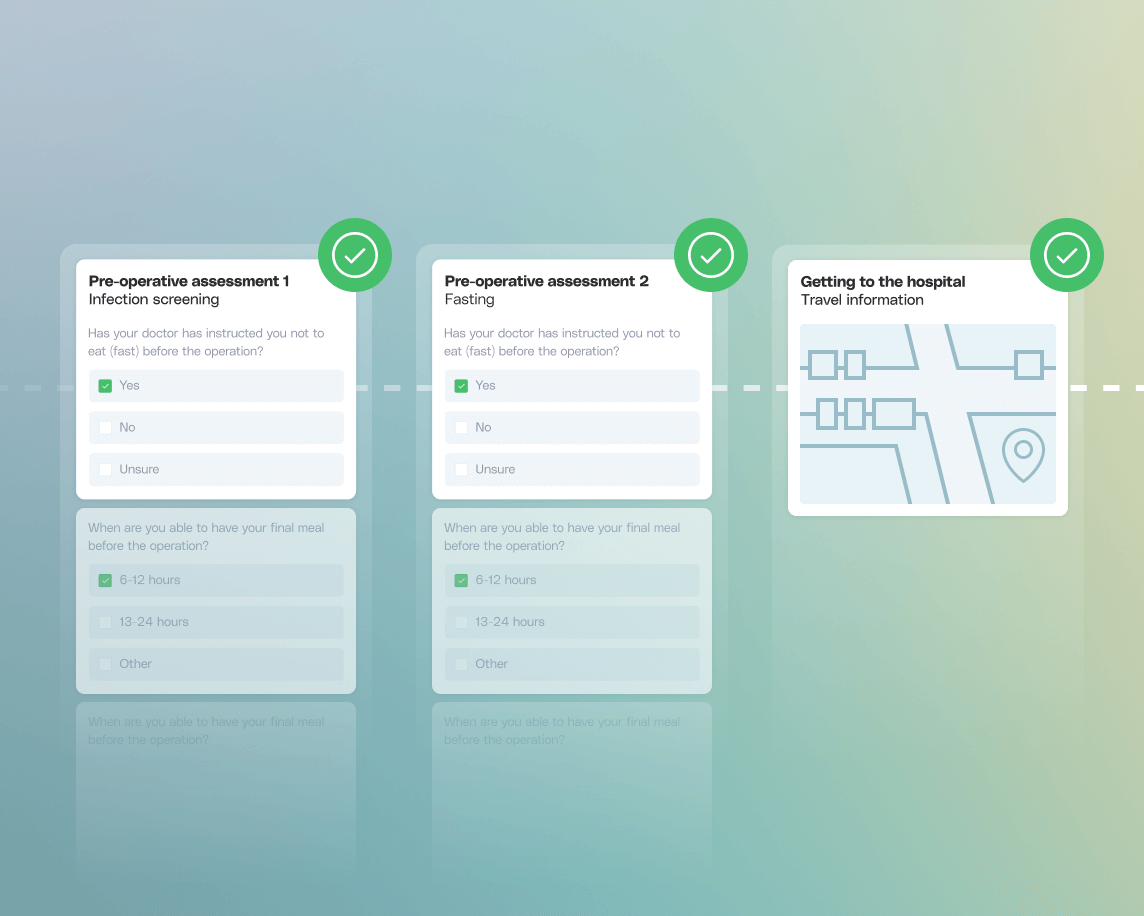
Patients answer before anyone rings
Six trusts in the NHS England Online Forms Pilot, January 2024 to February 2026, sent pre-operative forms asking what is usually asked by phone or in clinic.

Where the time goes
A pre-assessment done virtually saves the patient a journey.

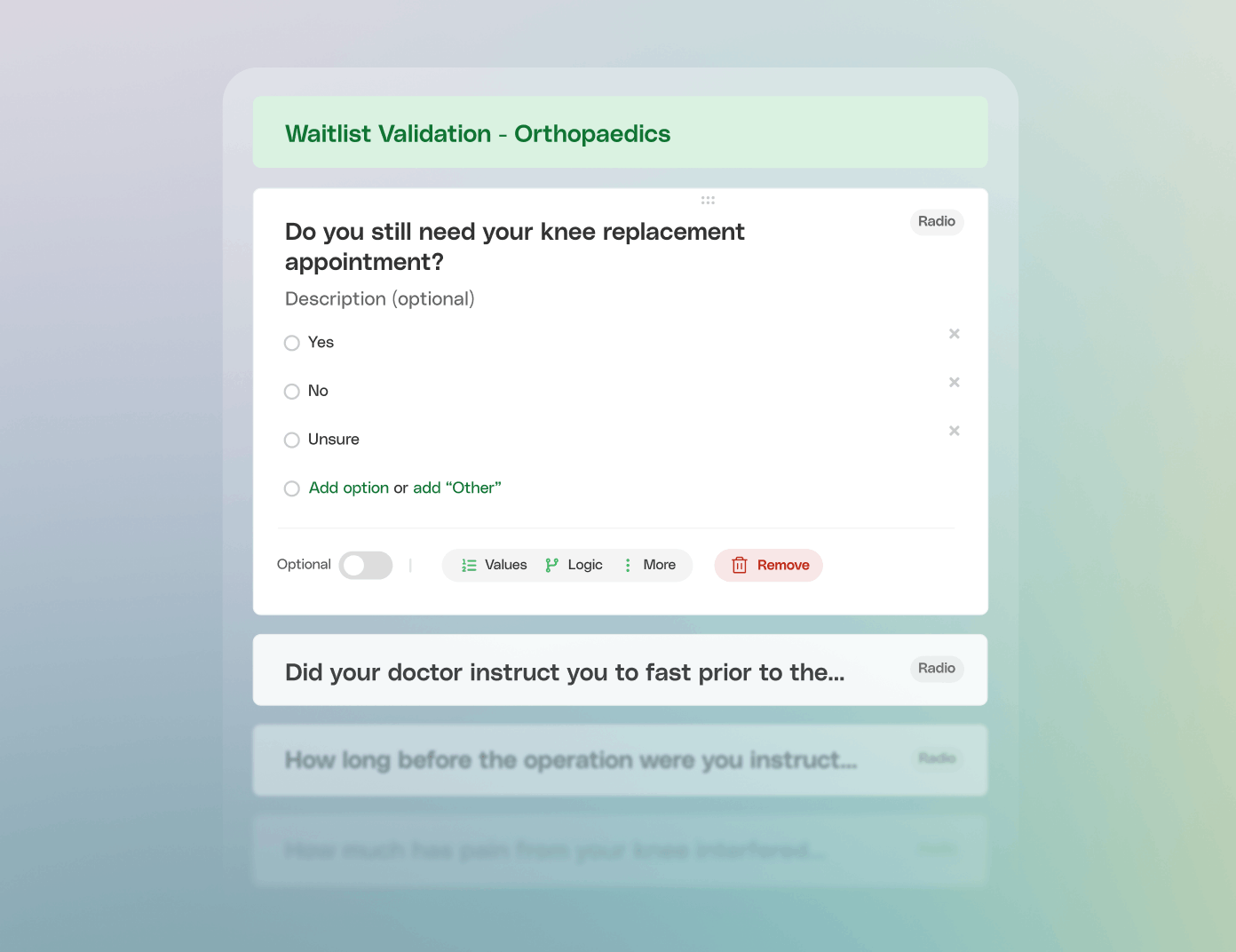
What the forms asked
Pathway Transformation gives a service forms, a form builder and a library, with PIFU and automated write-back.
PATHWAY TRANSFORMATION
Reviews when recovery needs one
Follow-ups are often booked at six weeks and three months. Here, patients report from home and a review happens when what they report says it is needed.
Patients keep a record after discharge
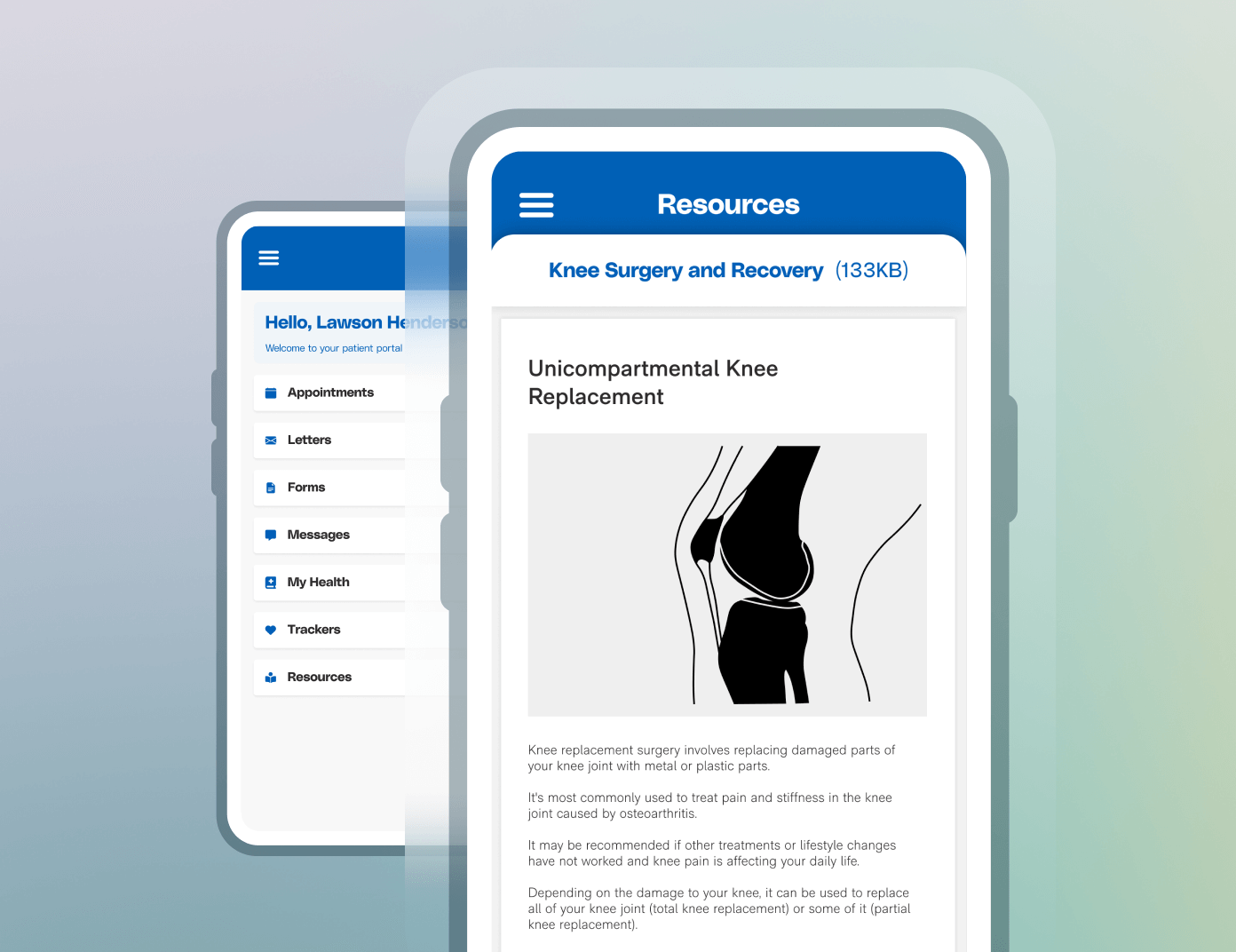
Care Hub is a personal health record the patient keeps through the weeks between going home and the first follow-up.
What the patient has
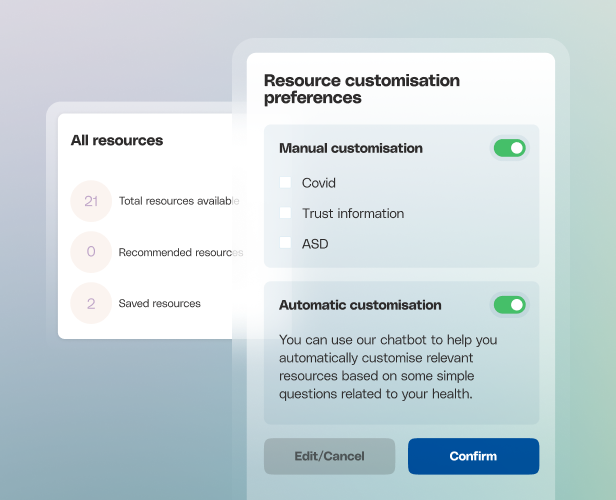
Care plan, trusted resources, symptom trackers and a mood and symptom diary, in the record they already open for appointments and letters.

What the service sees
What a patient records comes back as structured answers your team can read.
FOUNDATIONS
What this needs from your systems
The first question a digital lead asks is what has to be connected before any of this runs.
What connects
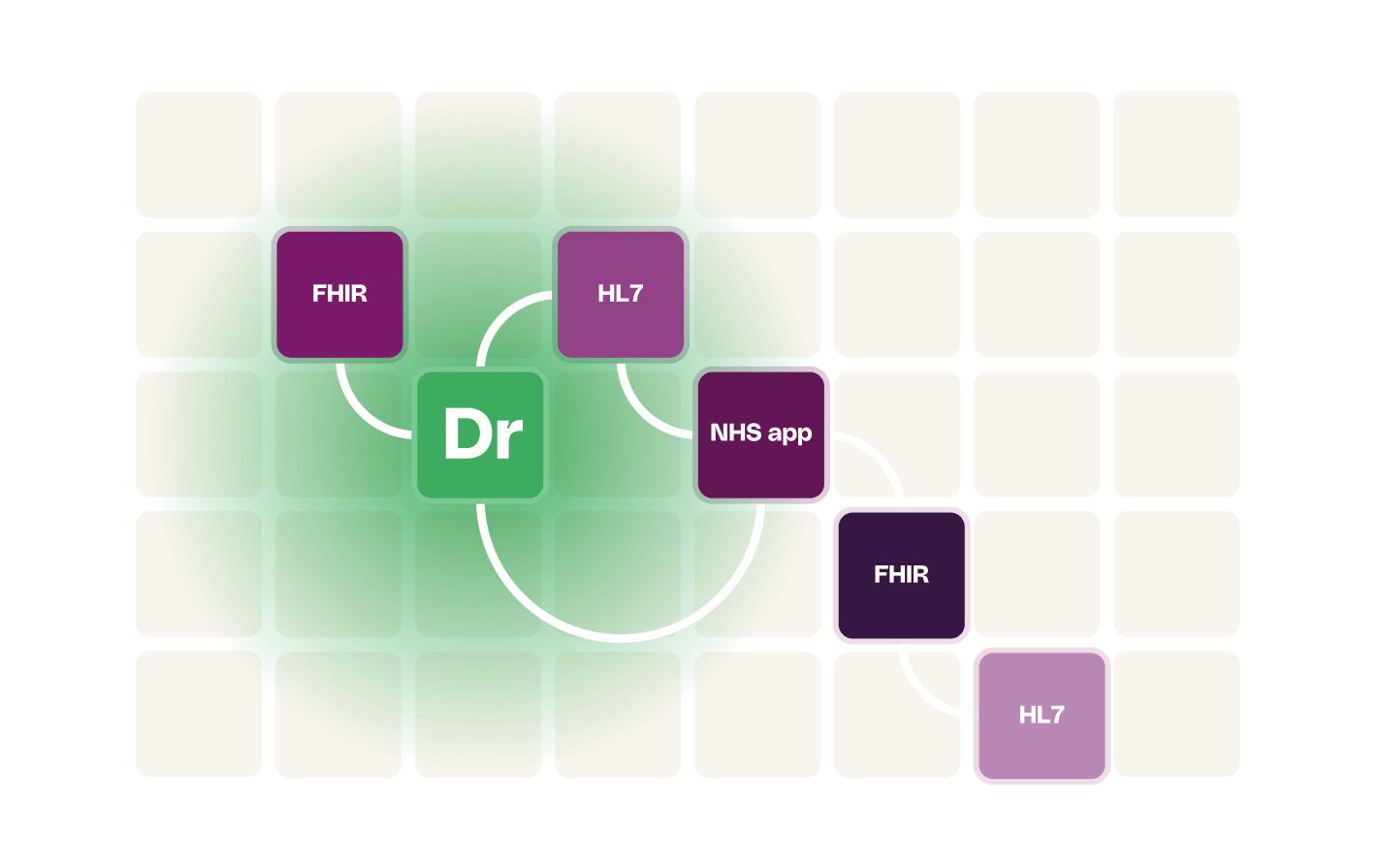
HL7, FHIR, API and JSON, through whichever integration engine you run, scoped with your integration lead.
What goes back into the record
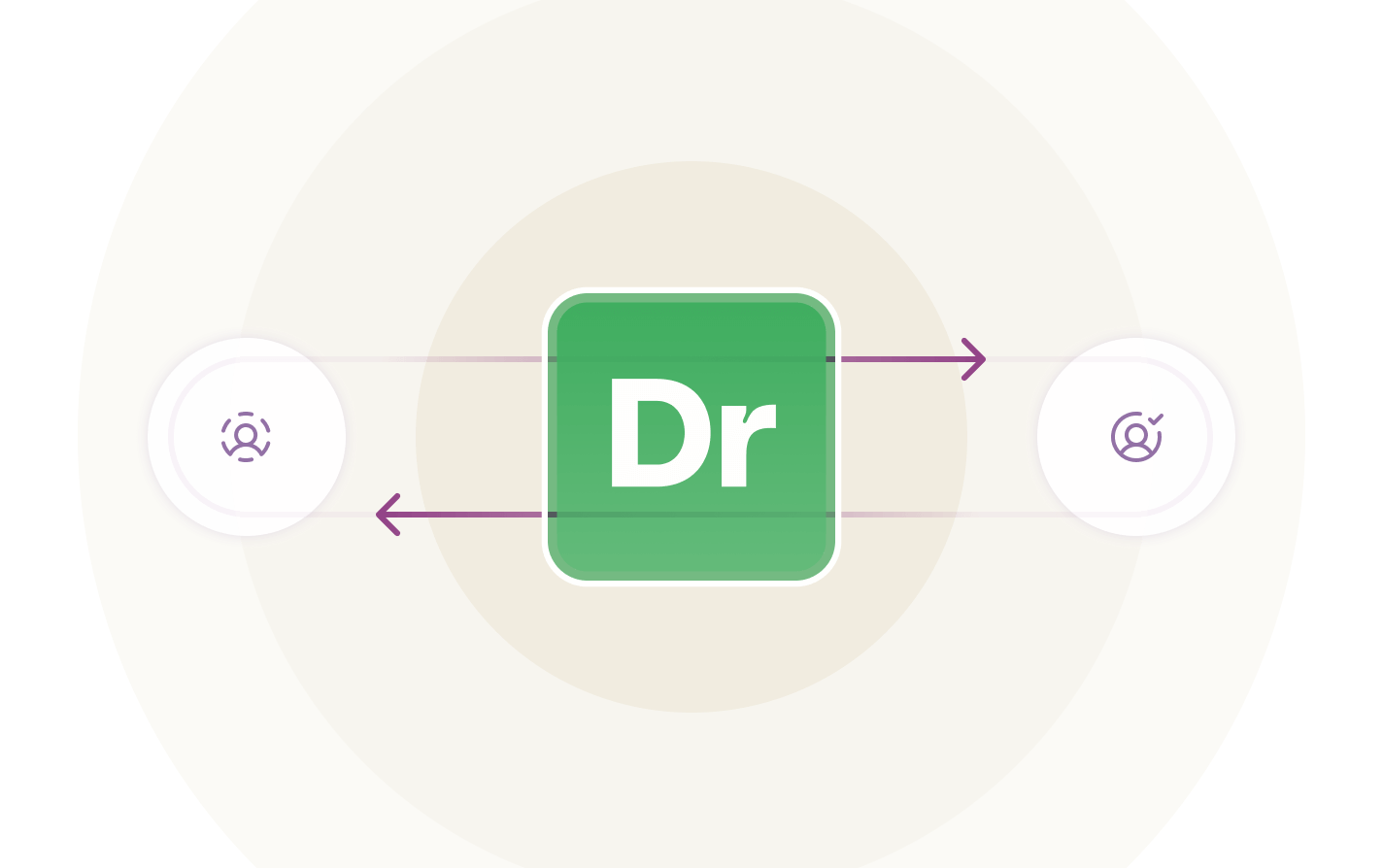
Structured form responses, where we are integrated. We confirm what is live on your build before go-live.
What your teams open
Where DrDoctor runs the pathway, your team reads what patients report in one shared work list.
Start before the integration
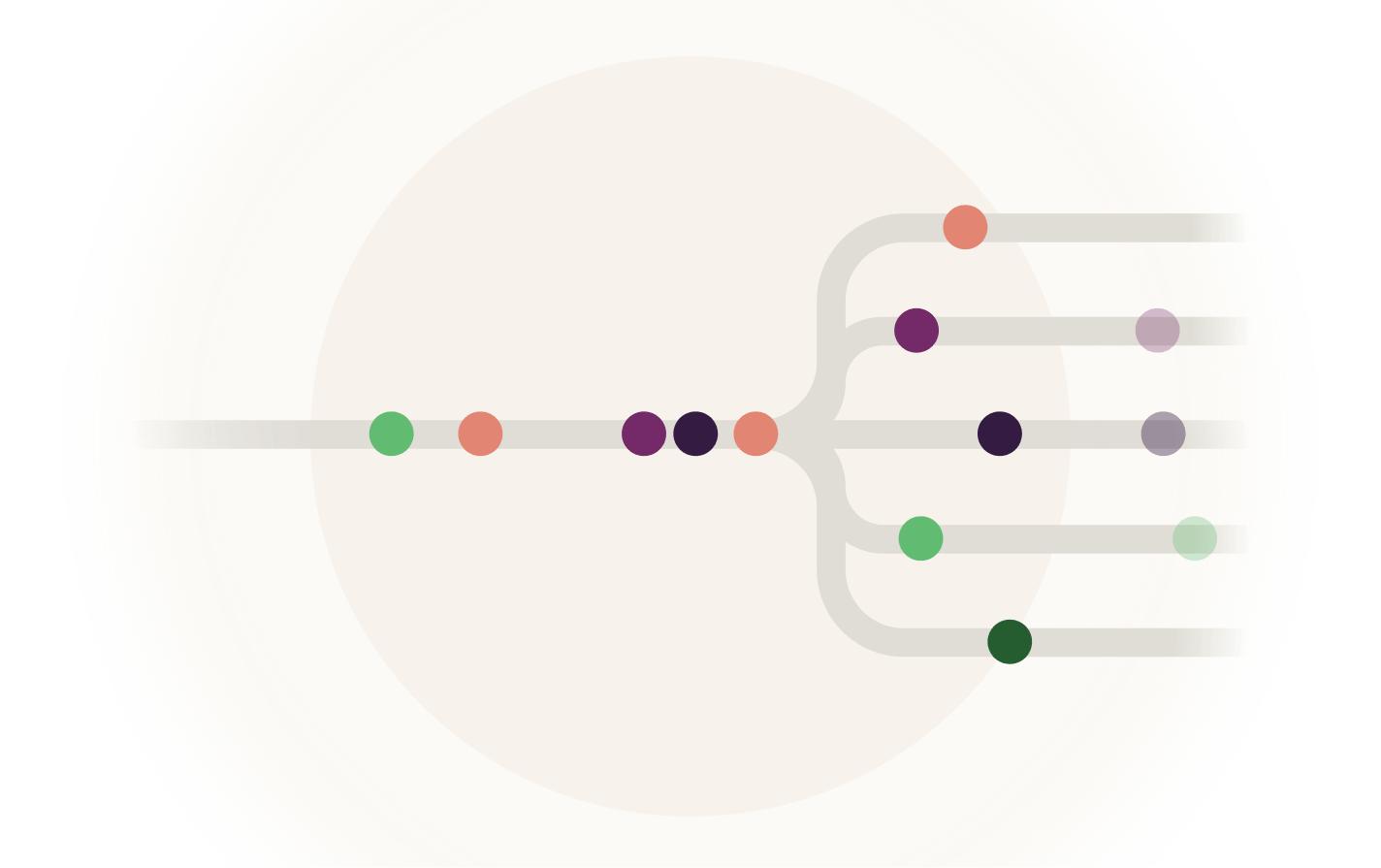
Communications runs from a patient list, so questions go out while the connection work runs alongside.