The same person hears from three organisations that do not know what the others have sent. We run one platform across all of them, built once and set up separately for each.
Every provider in your system repeats the same admin work
Nine in ten trusts run an EPR and around 30% have full bi-directional data flows. The digitising is largely done across your system. The transforming is not. So the question is not which providers have a record system, it is what still gets done by hand in every one of them.
- Every provider built its own
- The duplication sits in the work rather than the software. Every provider reminds, confirms, chases and rebooks, and each solved it alone.

- Three teams contact the same person
- Discharged from the acute trust, waiting on community, still under mental health. Three separate conversations, none aware of the others.

- The spend follows the manual work
- Print, postage, contact centre cover and insourced sessions are the price of a service that cannot act on its own record.

ONE PLATFORM, SEVERAL ORGANISATIONS
Build it once, and the next trust adapts it
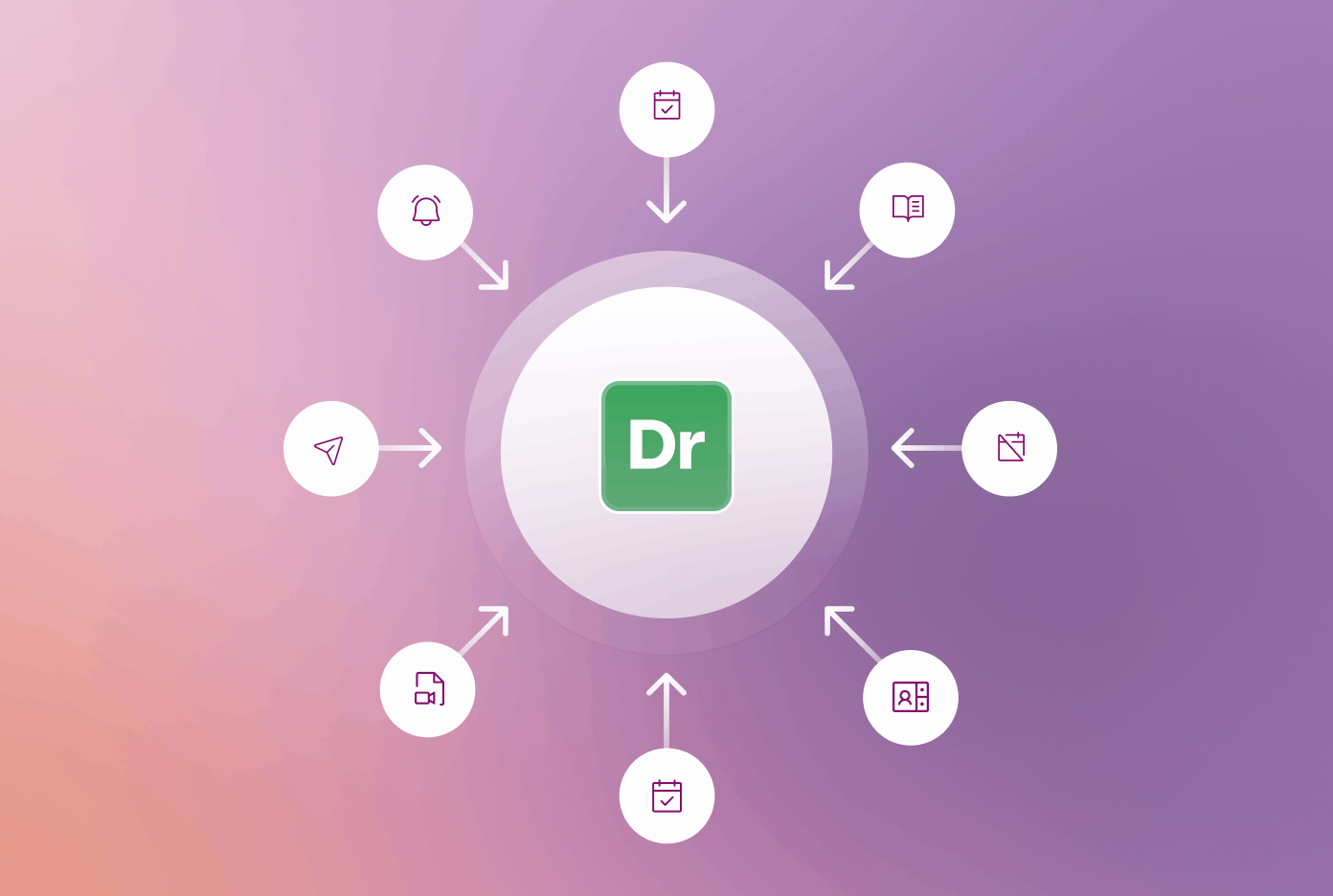
Your providers are not going to converge on one record system, and an integrated care board cannot make them. What can be shared is the layer above it: the contact with the patient, and the work that happens after they reply.
THE SOLUTIONS
Nothing here needs a single go-live date
Most organisations start with communications, because it works from a patient list rather than an interface and it moves this year's numbers.
START HERE
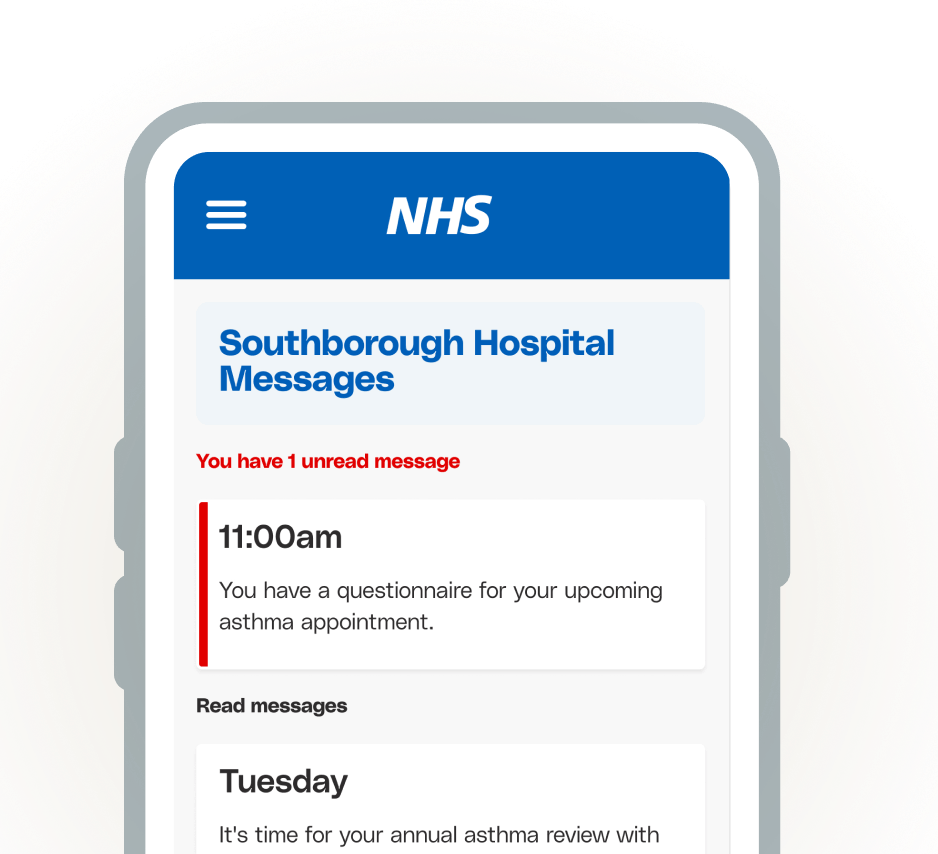
Core Communications
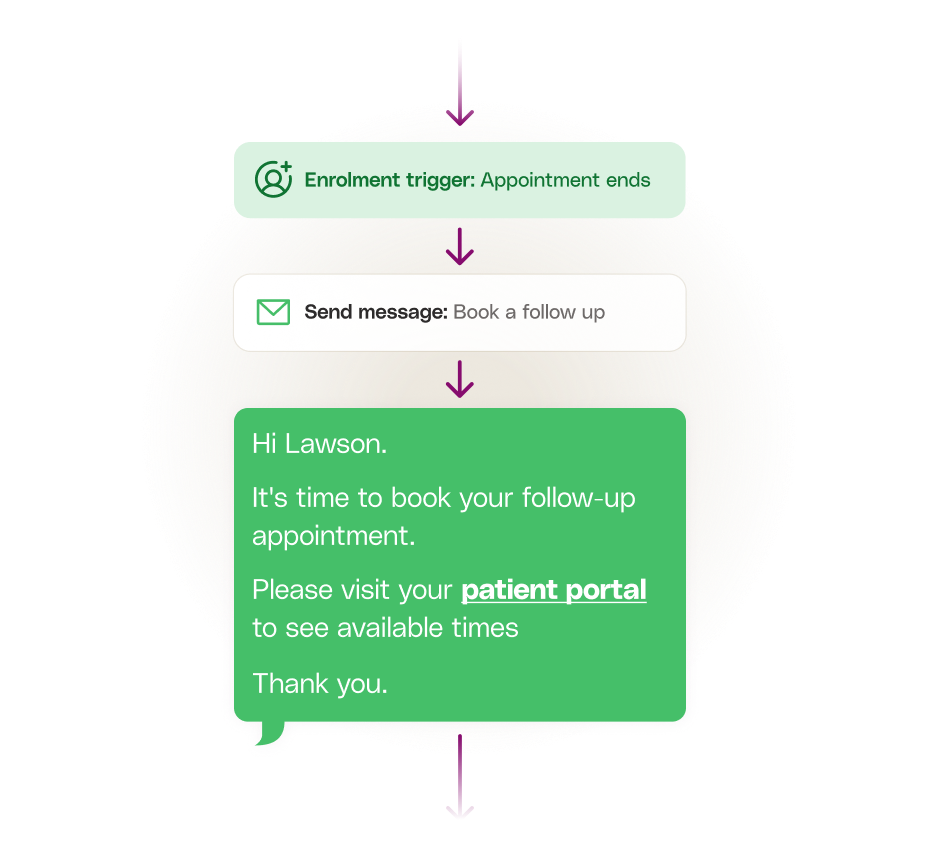
Appointment viewing, reminders, digital letters and two-way messaging, with patients able to change or cancel from the message.
BOOK AND REBOOK
Scheduling Suite
Patients book and rebook into live slots, written back to the PAS or EPR in real time. Unintegrated booking works without a feed.
AFTER THE BOOKING
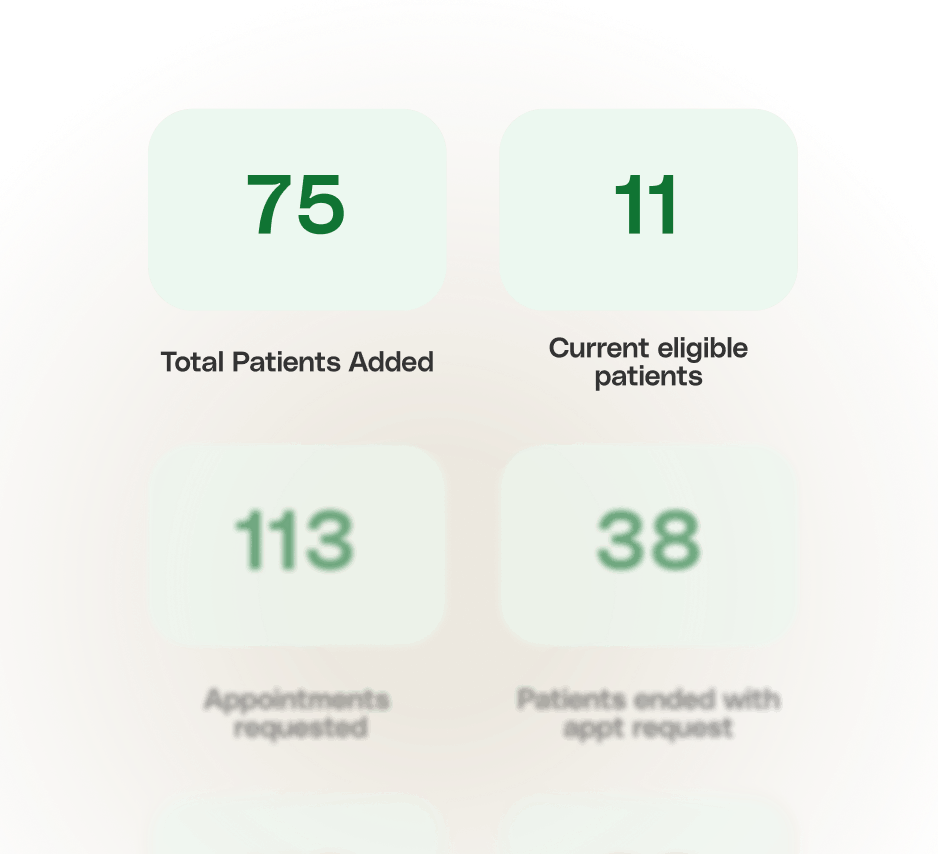
Pathway Transformation
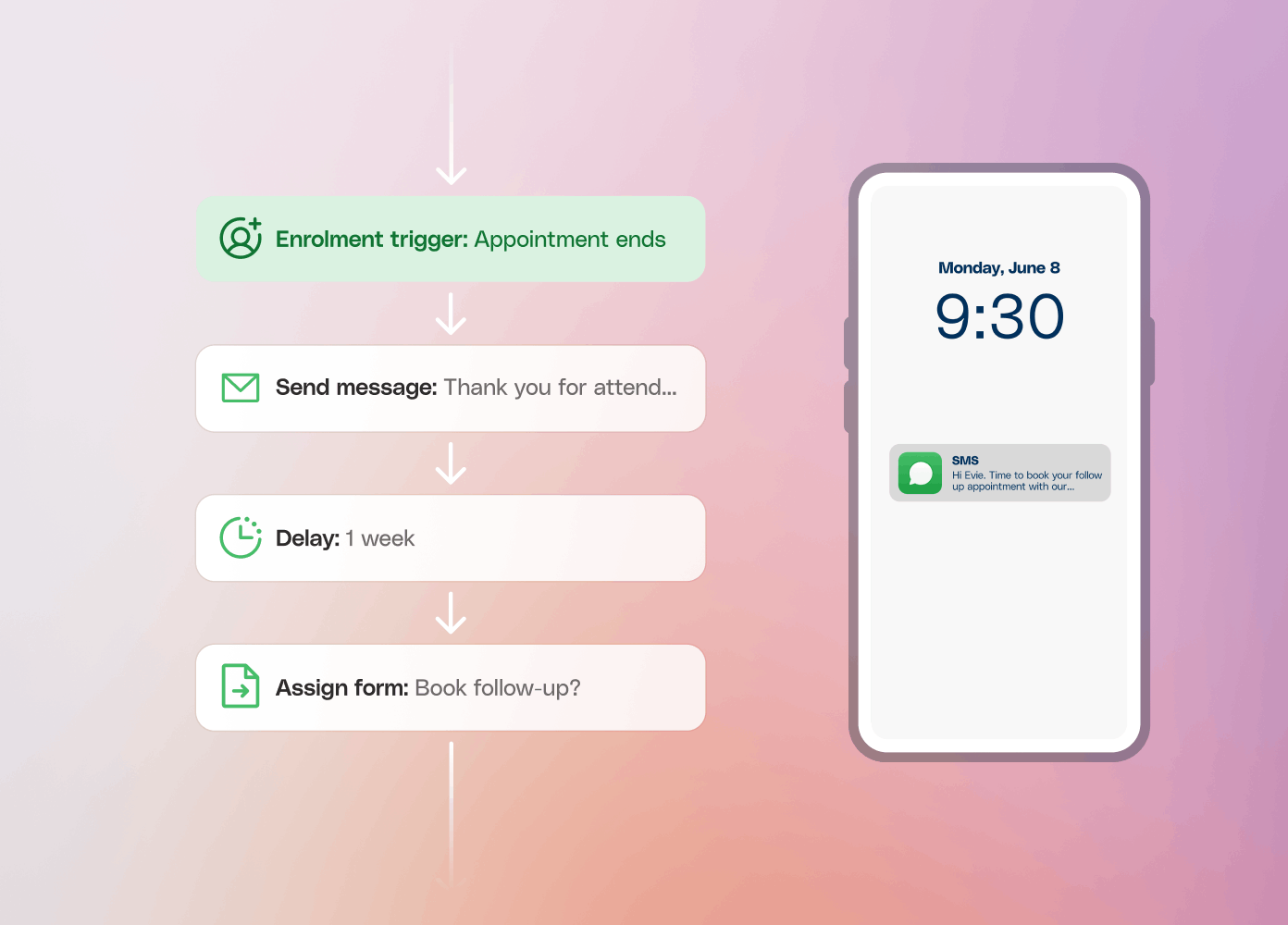
Forms, PIFU and automated write-back, so a pathway responds to what patients report rather than the follow-up calendar.
The proof is already in your system
There is a good chance we are already in one of your providers. That provider has numbers its neighbours recognise and templates the next one can pick up, so the question is who goes second.
Most of the year, nobody sees them
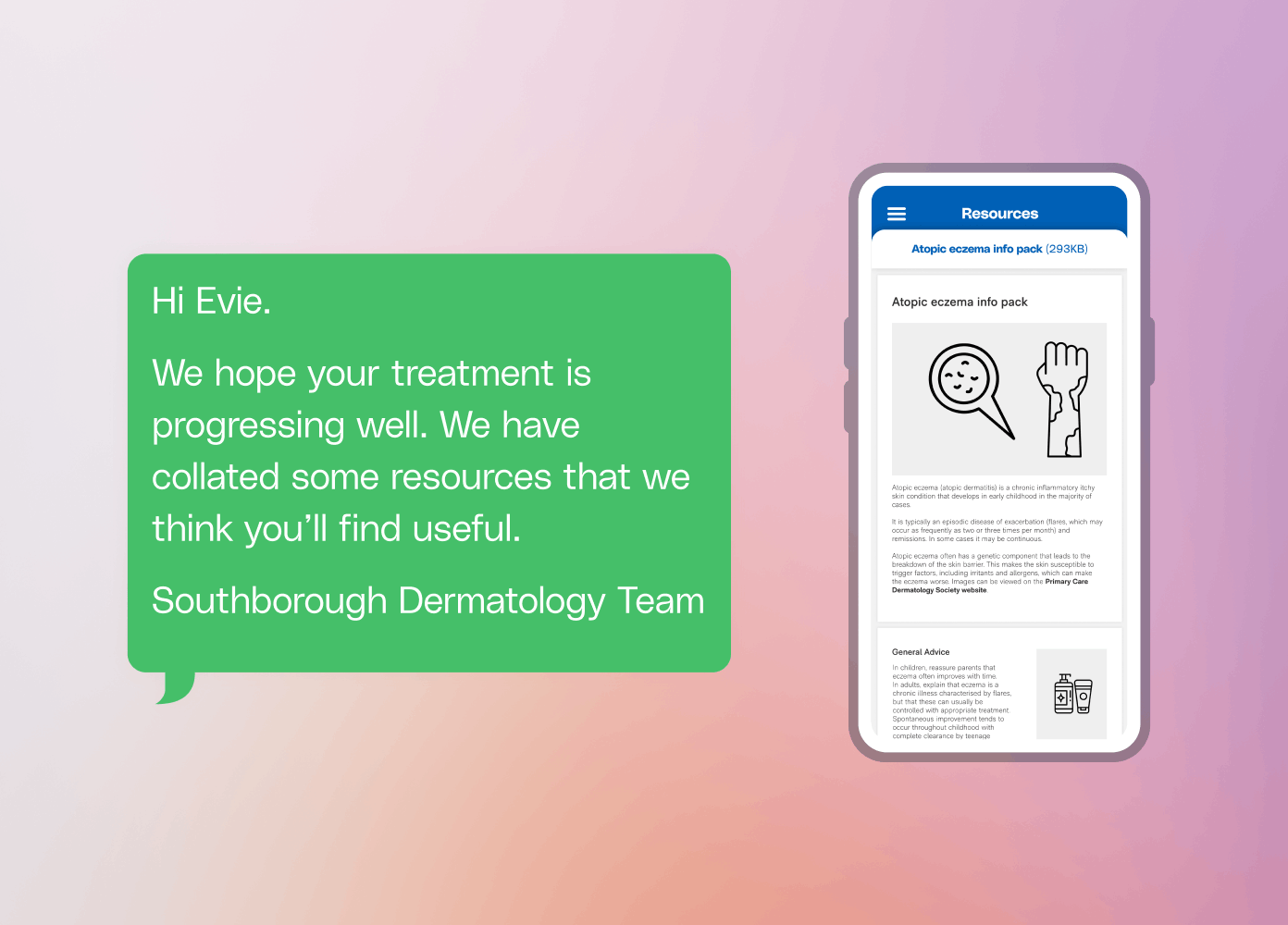
Care plans, trackers, resources and results in one place they open from a text link. What they report reaches the team holding the pathway, and a clinician decides what it means. It is not a shared care record.
Your providers still have to say yes
Adoption happens organisation by organisation, so the question is which service would say yes tomorrow and who is accountable. Our core communications are inclusive, so switching one on needs no new spend.
DELIVERY PARTNER
A system buys the conditions. People make the change
Around 70% of digital transformations are commonly estimated to fail to deliver their intended benefits, and mostly they fail on change rather than on technology.
We redesign it with your people
Our team embeds in a provider and redesigns the service with the people who run it, sets the baseline, then measures what moved.

The new way runs every day
Once a pathway is redesigned, we run it every day, so it does not drift back when the attention moves on.

The connection work is ours
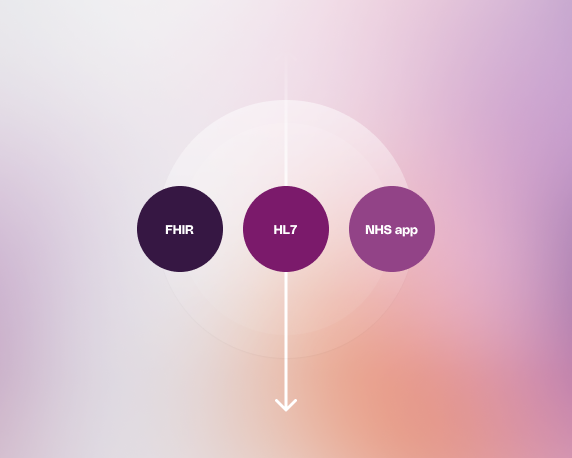
Pre-built adapters cover between 80 and 90% of the message transformation work, on our integration engineering team's own estimate from August 2026.
What one trust learns, the next gets
What we find on site, we build back into the product, so a fix in one trust reaches every organisation we work with.