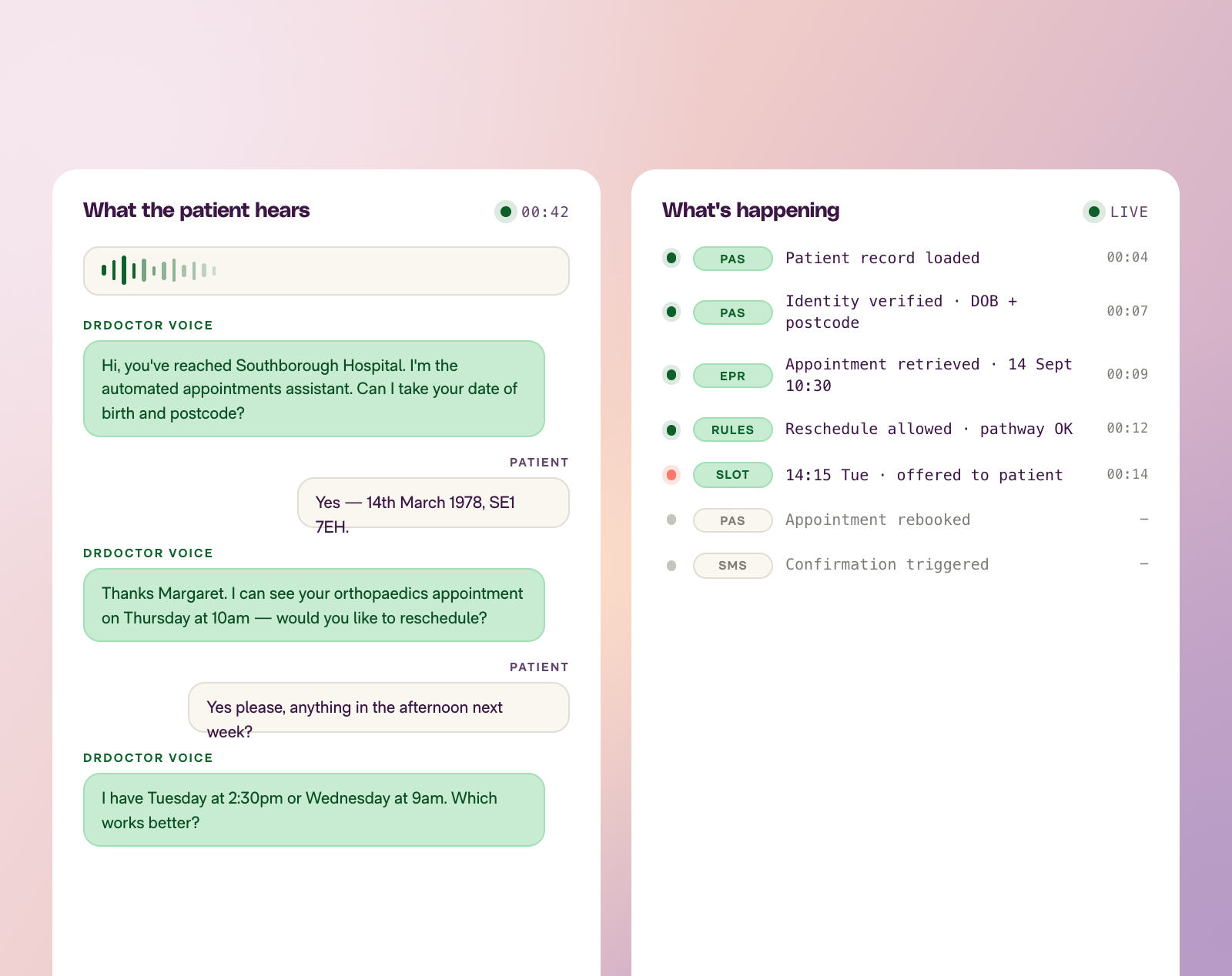
Clinics fill with follow-ups booked at three, six and twelve months, while the patients who need seeing wait behind them. DrDoctor runs the admin steps around your pathway.
Staff Portal
You review what patients report, in one worklist
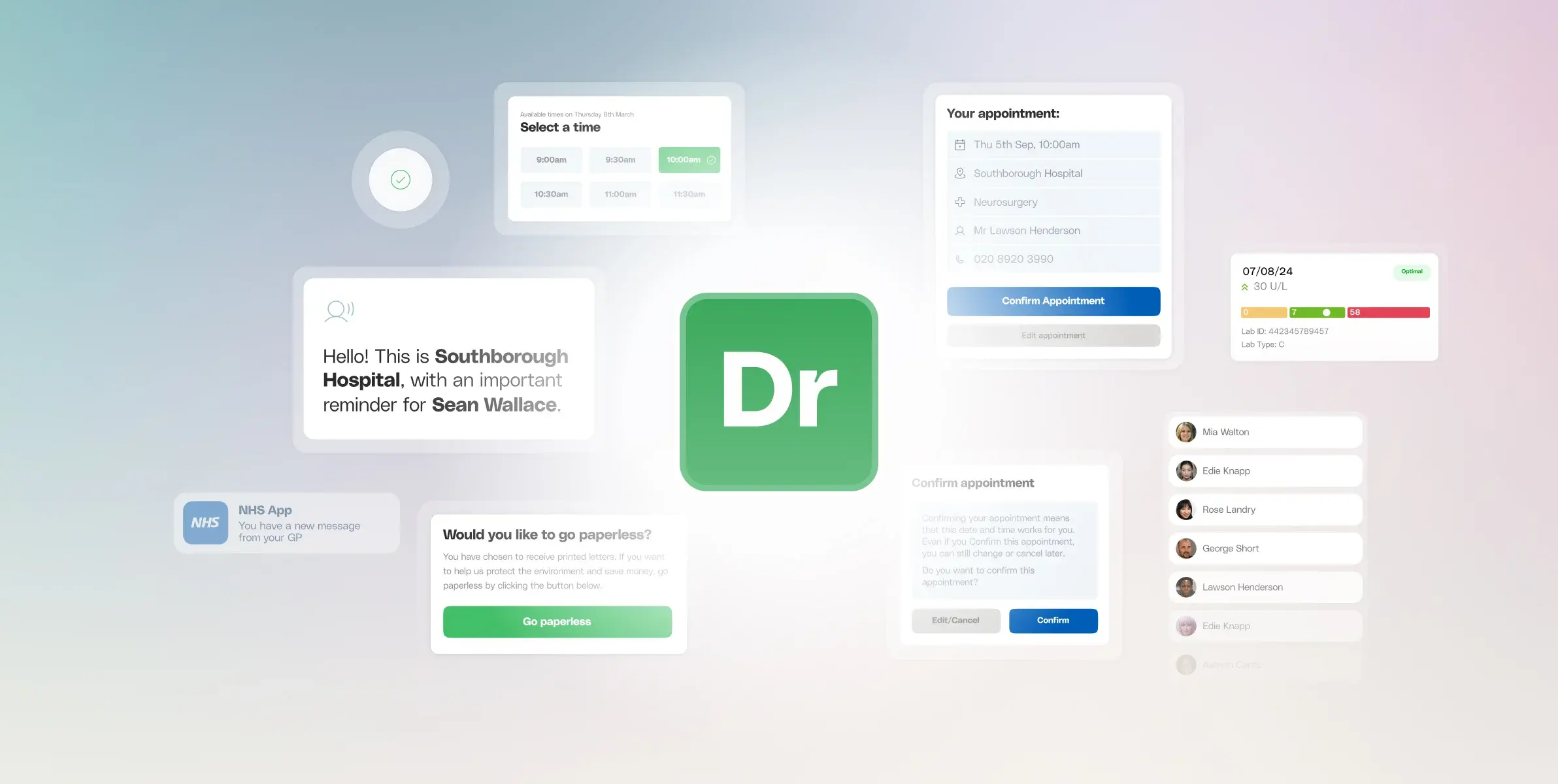
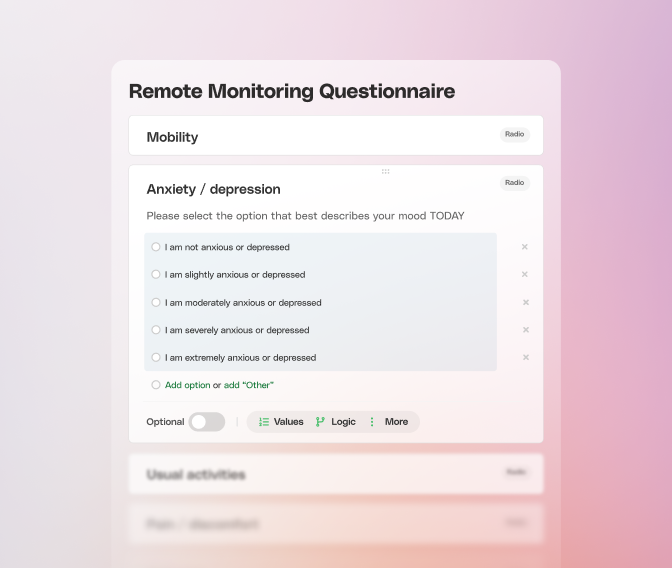
The forms, trackers and questionnaires patients complete come back as structured responses in one worklist. The reviewer is whoever holds the pathway: consultant, nurse specialist, therapist, dietitian, pharmacist or psychologist.
Six years in one rheumatology service
A peer-reviewed evaluation in Rheumatology Advances in Practice followed Royal Berkshire from 2019 to 2024. Clinic time saved reached 1,565 hours in 2024, against 214 in 2019.
Capacity comes back between appointments
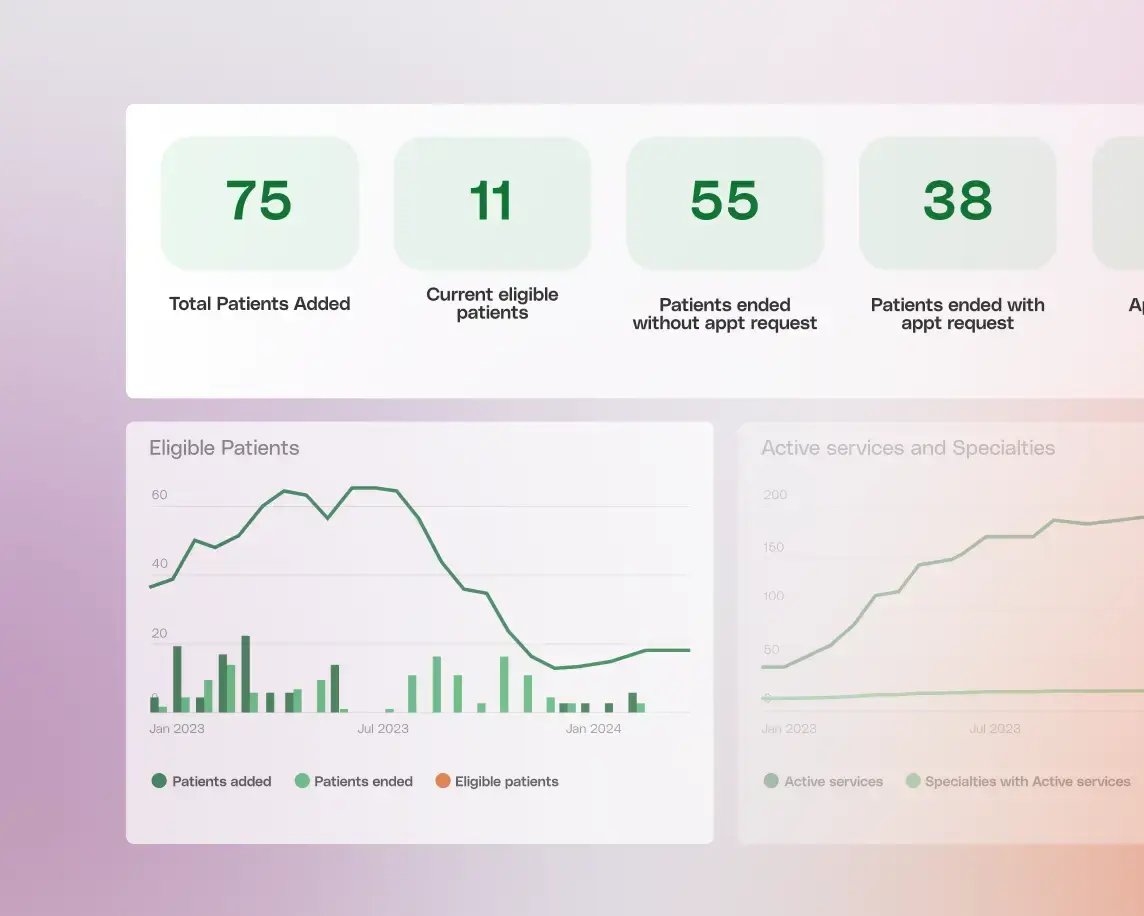
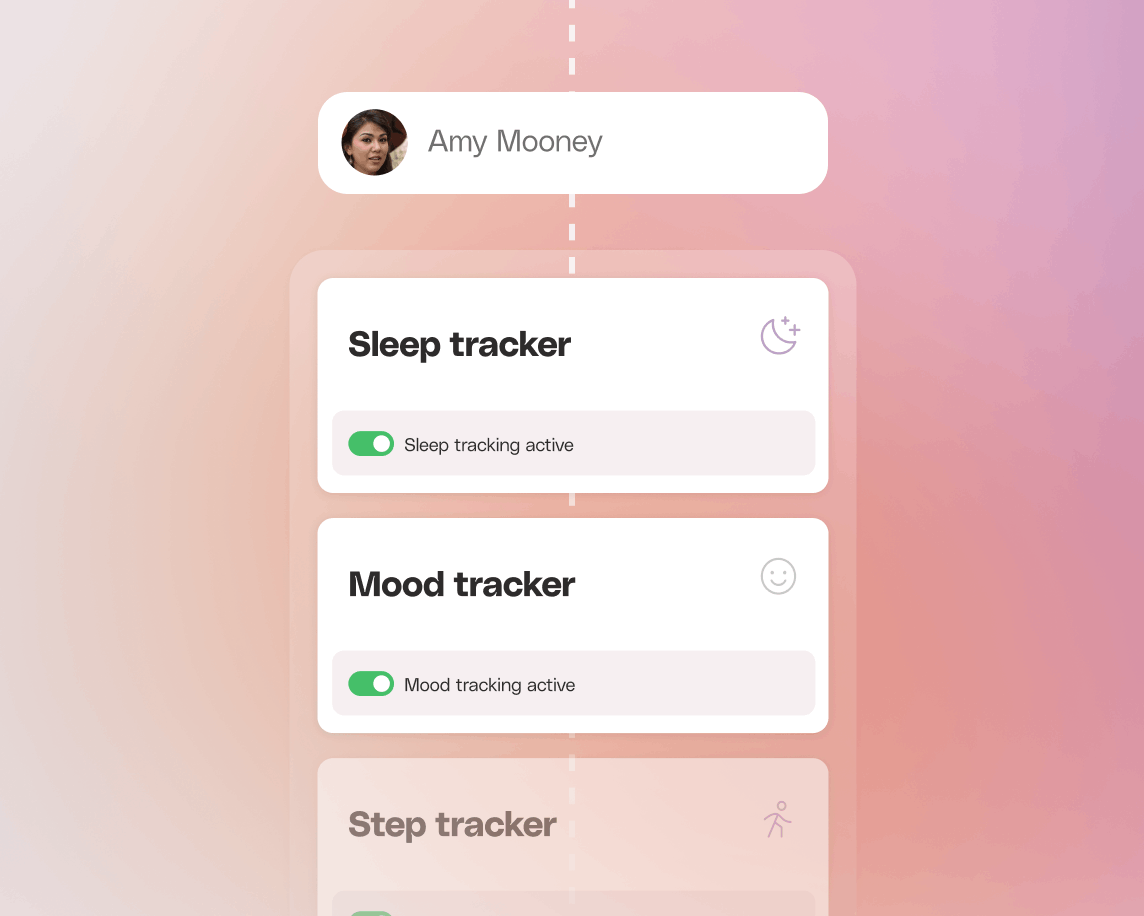
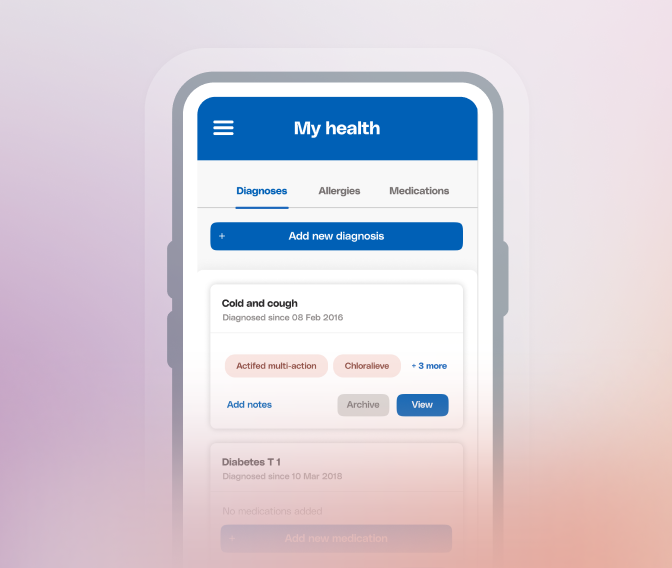
Between appointments, patients answer questions, complete forms and keep trackers in Care Hub. Not completing one is an exception. Where patients answer, clinical capacity comes back.
The criteria are your service's
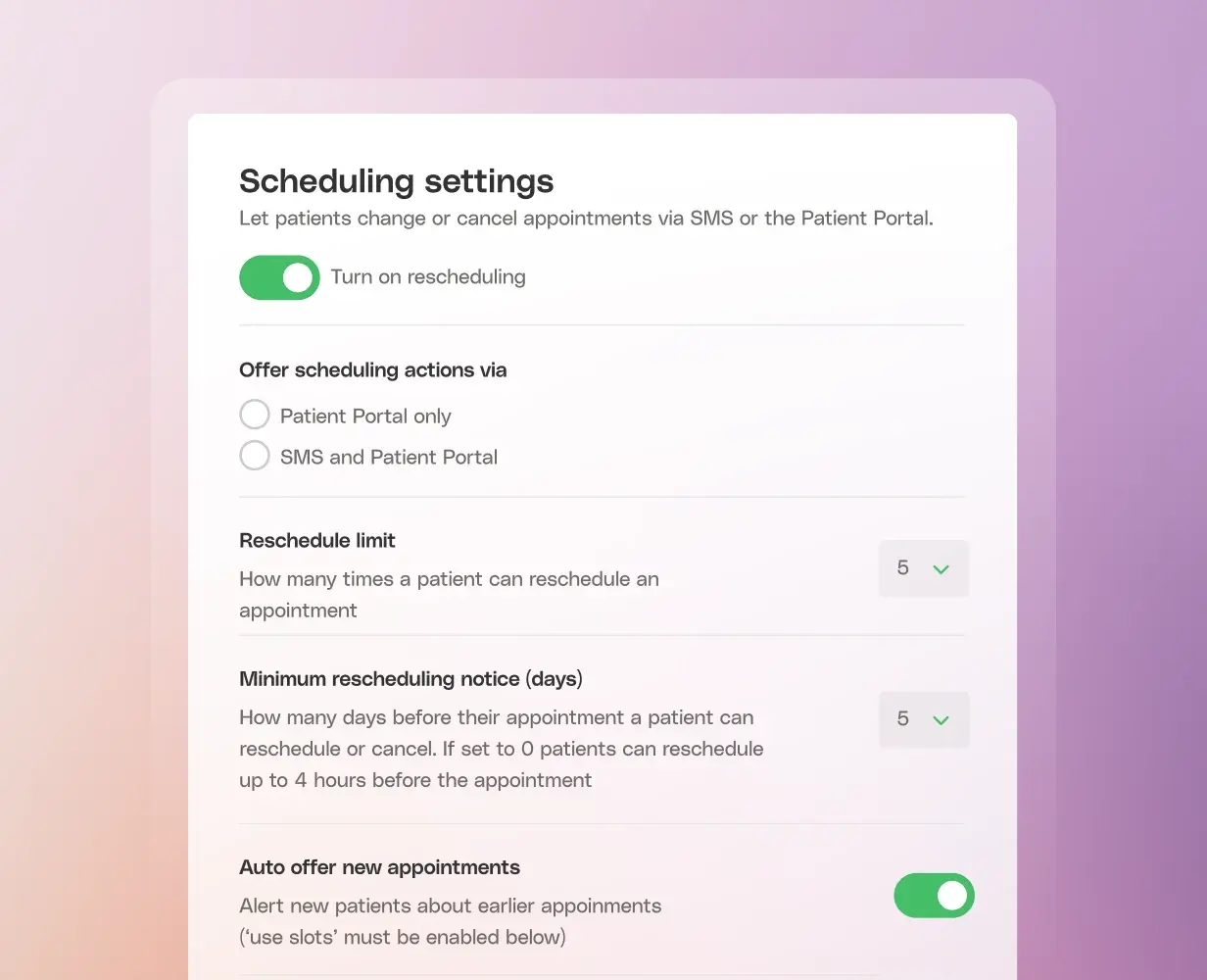
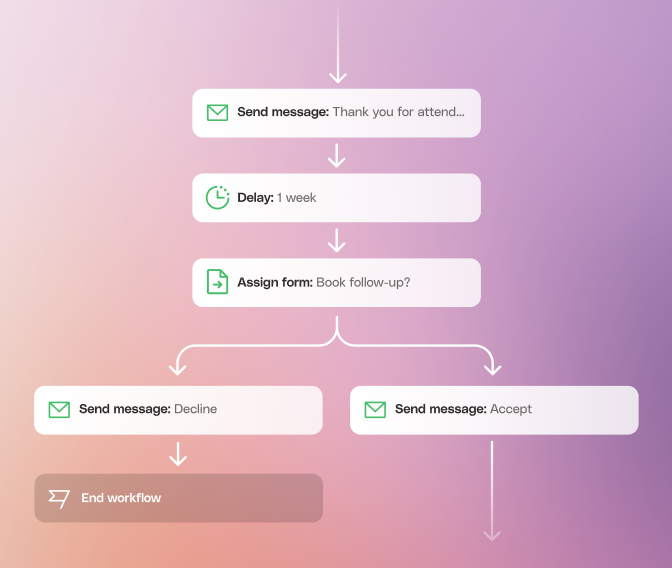
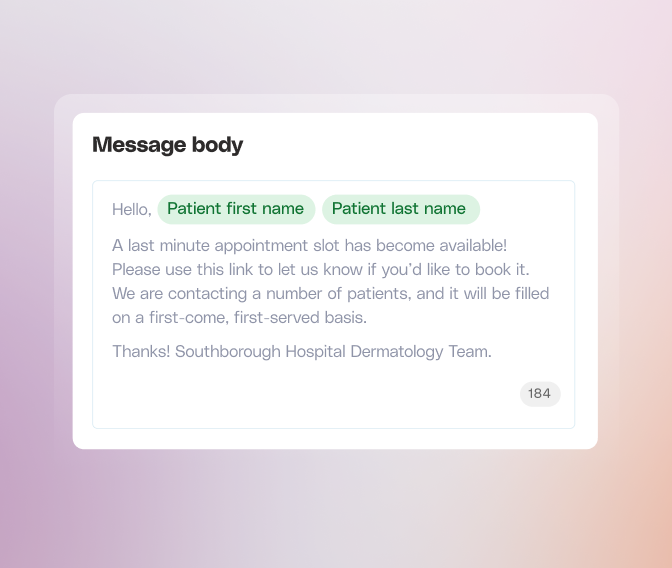
Your service sets the criteria and nothing clinical happens without review. Any step can be paused on request. Automation takes reminders, confirmations and form chasing off the day.
What patients send back reaches the EPR
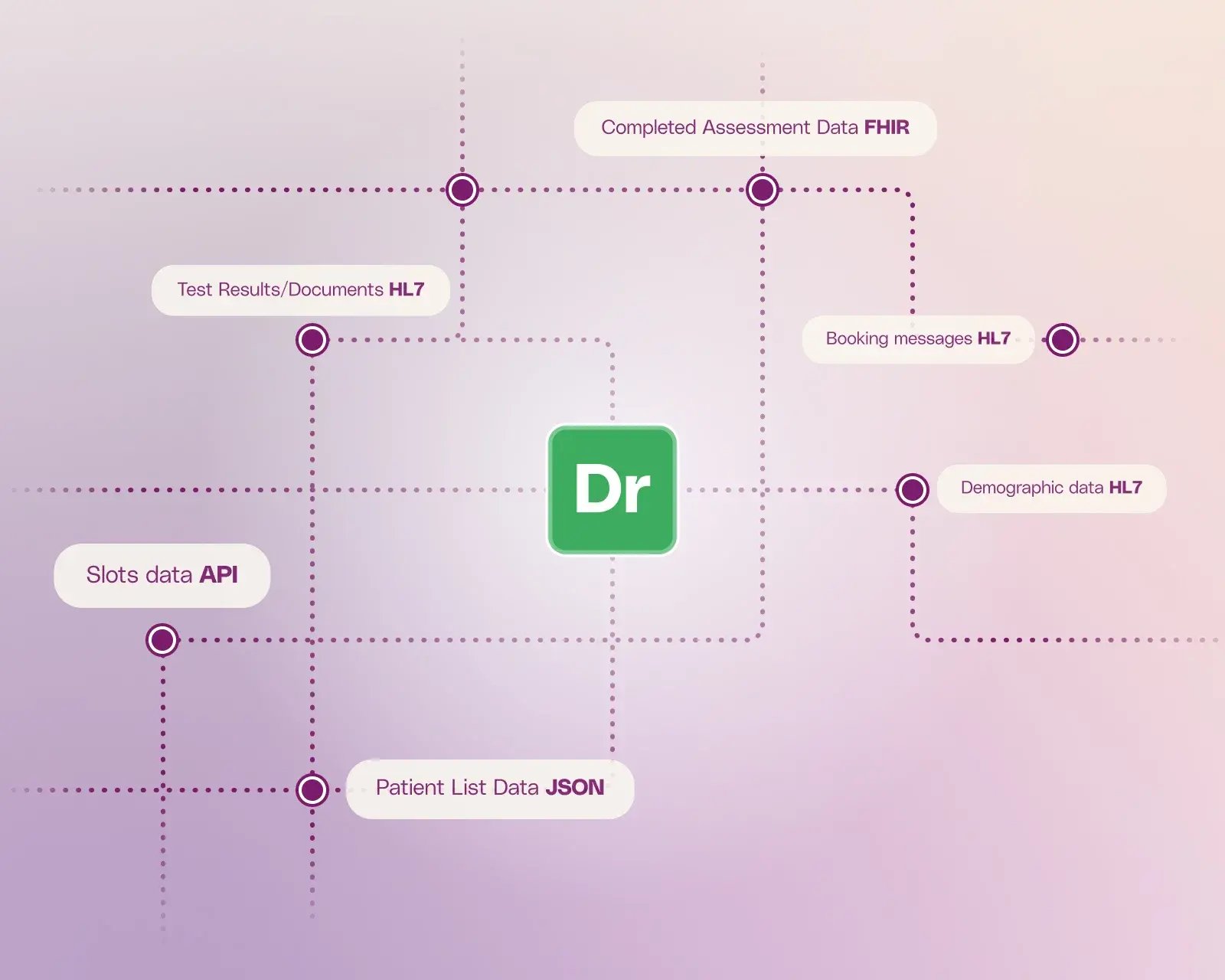
At Royal Devon, rheumatology patients on the waiting list were sent questionnaires by SMS, and the answers fed back into Epic in real time over HL7, so the list updated itself.
WHAT SITS BEHIND IT
Nurses and dietitians get hours back
At Bradford Teaching Hospitals, a digital route into the rheumatology nurse advice line cut call-back time by 30% and gave back 72 nurse hours.
Scheduling.png)