HYBRID HEALTHCARE
The right balance of digital and human
Our mission, and the reason DrDoctor exists. Here is what it means for NHS outpatient services.
Digital is not the goal on its own. A reminder, a letter or a booking should not need anyone on the phone. A patient who is frightened, or a decision that is finely balanced, should always get a person. We have spent 14 years with the NHS working out where that line sits, service by service.
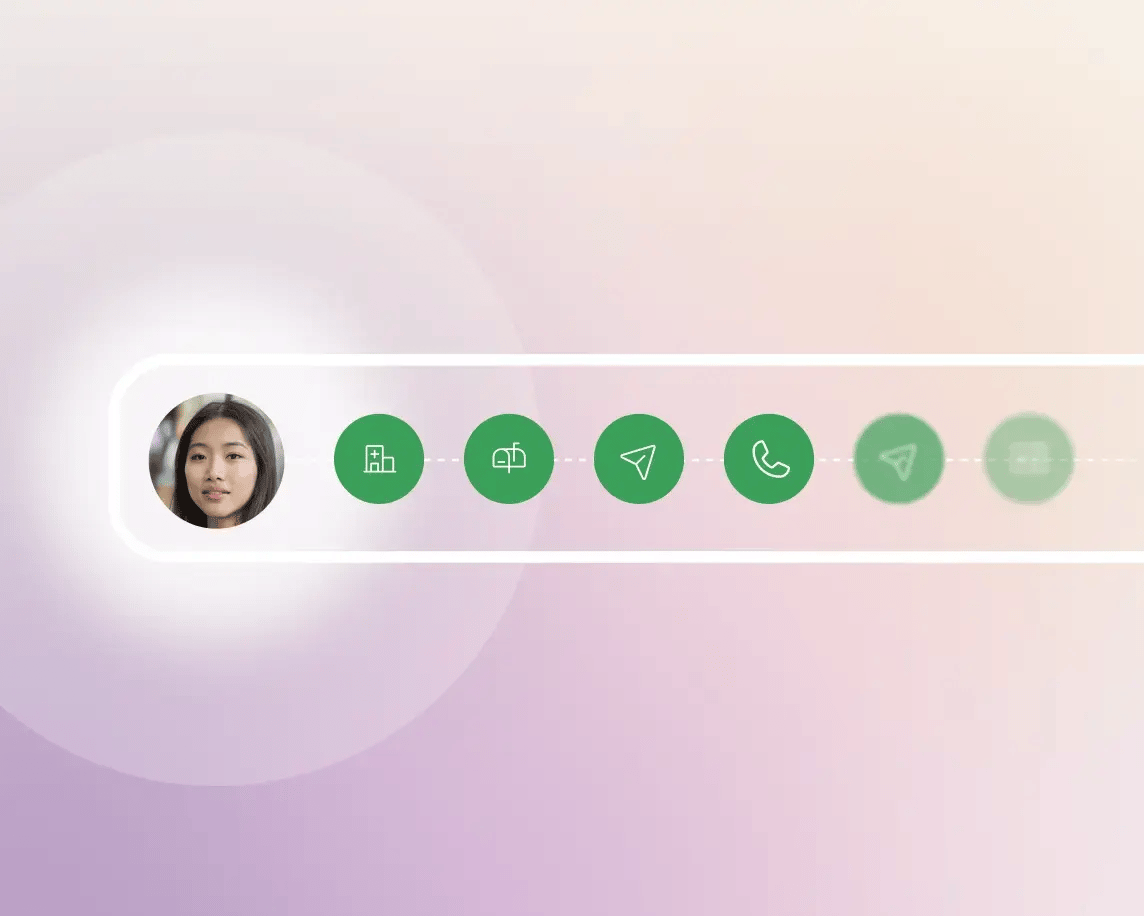
Patients should hear from one service, not five. DrDoctor carries every letter, reminder and question by text, the NHS App, the portal or the post, and brings each reply back to the team that needs it. Patients stay informed wherever they enter care, and staff stop chasing answers across systems.
A record shows what has happened to a patient. It rarely shows how they are now. DrDoctor asks, through forms and questionnaires sent before and between appointments, and puts the answers alongside the record, written back where the integration supports it. Clinicians see the full picture before they decide.
Triage starts before the appointment. Validation questions, pre-assessment forms and health questionnaires show a team who still needs to be seen, who is ready and whose situation has changed. Patient answers prompt a clinical review rather than replace one, so the clinician decides what happens next.
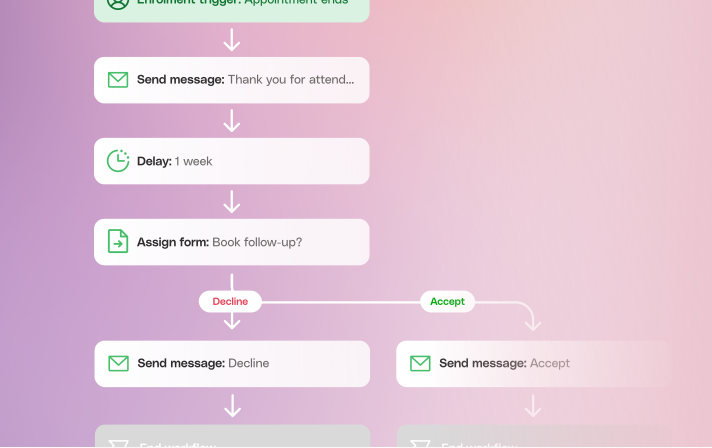
A decision only counts once it turns into action. When a team decides what a patient needs, DrDoctor sends the next step: the booking invitation, the letter, the task for the right team, the update to the waiting list. Patients are not left waiting to hear, and nothing relies on someone remembering.
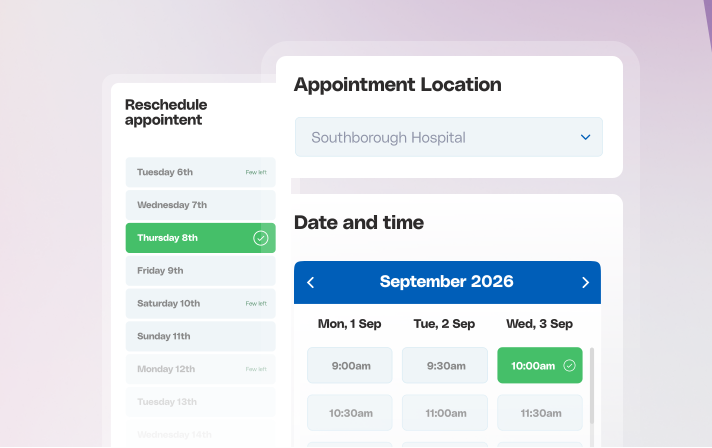
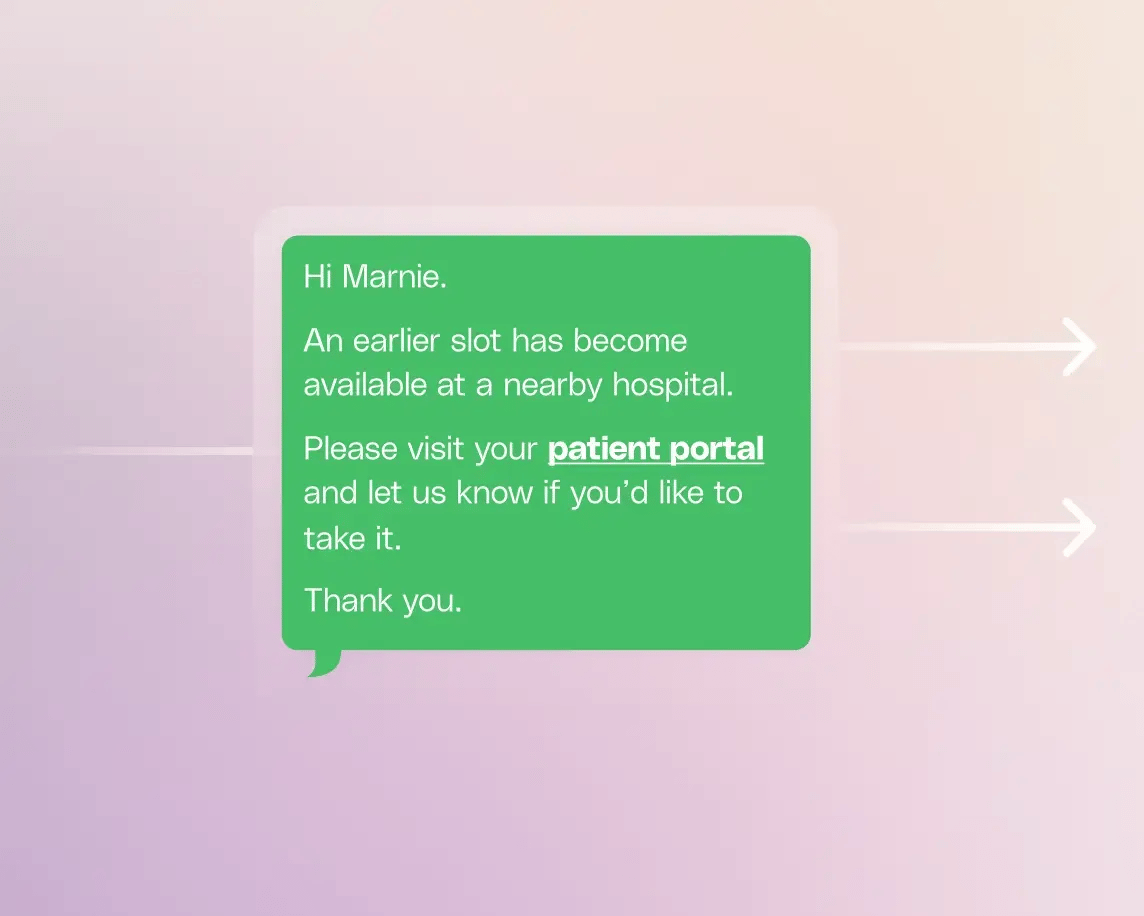
Patients book, change and cancel their own appointments, within rules the service sets. A slot one patient cannot use goes back to someone who can, and changes reach the record where the integration supports it. Booking teams spend less time on the phone, and patients pick a time they can make.
Most of what DrDoctor automates is admin: the form sent, the reminder, the chaser, the reply read and sorted into the right list. Anything unusual goes to a person, with the context they need to deal with it. Staff spend less of the day on work that does not need them, and more on the patients who do.
Patients should hear from one service, not five. DrDoctor carries every letter, reminder and question by text, the NHS App, the portal or the post, and brings each reply back to the team that needs it. Patients stay informed wherever they enter care, and staff stop chasing answers across systems.
A record shows what has happened to a patient. It rarely shows how they are now. DrDoctor asks, through forms and questionnaires sent before and between appointments, and puts the answers alongside the record, written back where the integration supports it. Clinicians see the full picture before they decide.
Triage starts before the appointment. Validation questions, pre-assessment forms and health questionnaires show a team who still needs to be seen, who is ready and whose situation has changed. Patient answers prompt a clinical review rather than replace one, so the clinician decides what happens next.
A decision only counts once it turns into action. When a team decides what a patient needs, DrDoctor sends the next step: the booking invitation, the letter, the task for the right team, the update to the waiting list. Patients are not left waiting to hear, and nothing relies on someone remembering.
Patients book, change and cancel their own appointments, within rules the service sets. A slot one patient cannot use goes back to someone who can, and changes reach the record where the integration supports it. Booking teams spend less time on the phone, and patients pick a time they can make.
Most of what DrDoctor automates is admin: the form sent, the reminder, the chaser, the reply read and sorted into the right list. Anything unusual goes to a person, with the context they need to deal with it. Staff spend less of the day on work that does not need them, and more on the patients who do.
Acting on a patient's behalf is harder than recording what happened. It takes three things, and each one has its own section below.
Getting to every patient on something they already use, with the post there for those who need it.
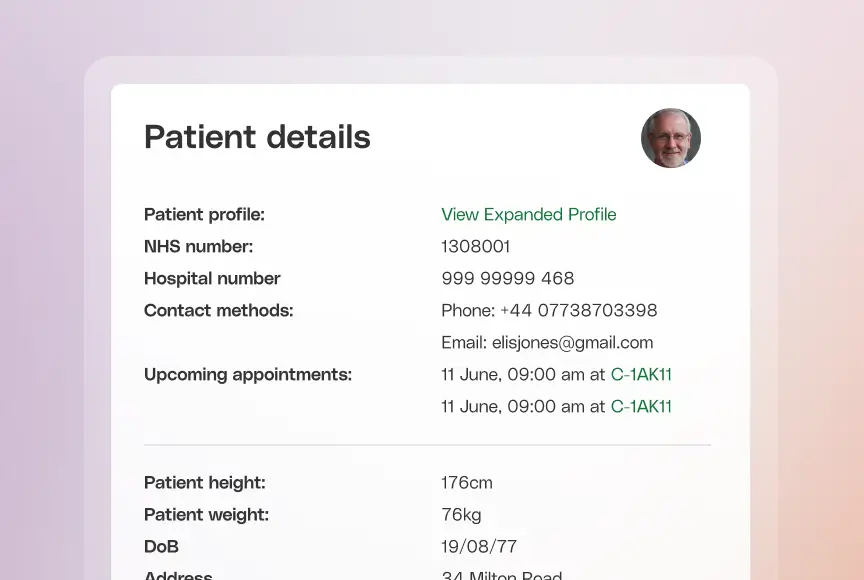
Knowing where automation earns its place, where a clinician stays in the loop, and where it does not.
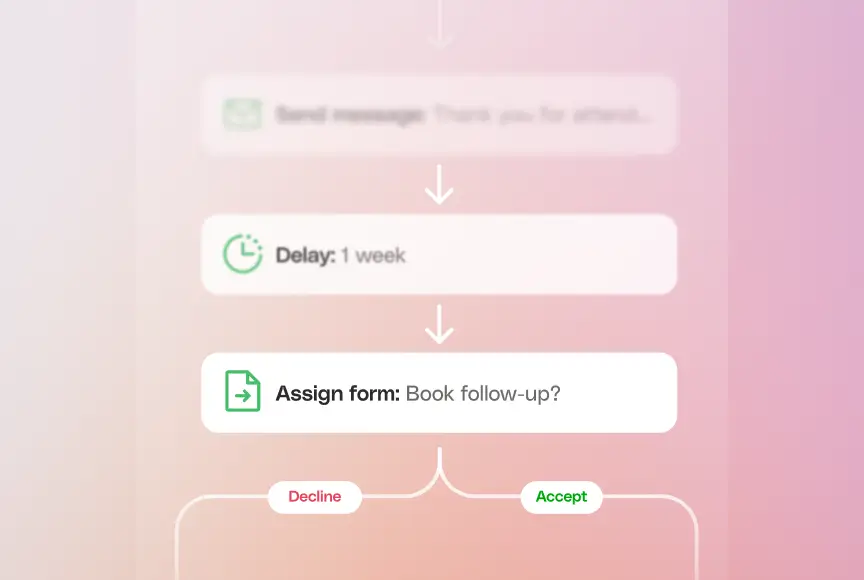
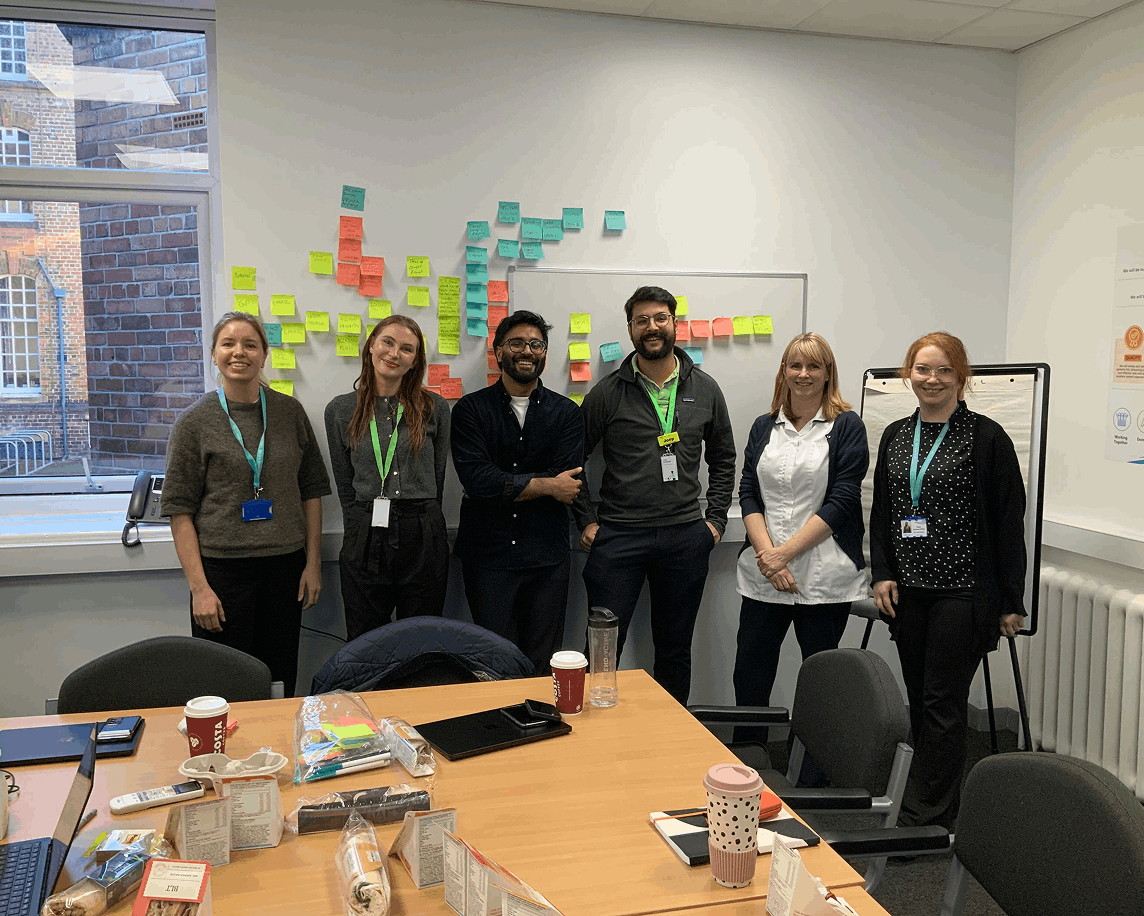
Our own team inside the trust, redesigning the service with the people who run it until it holds.
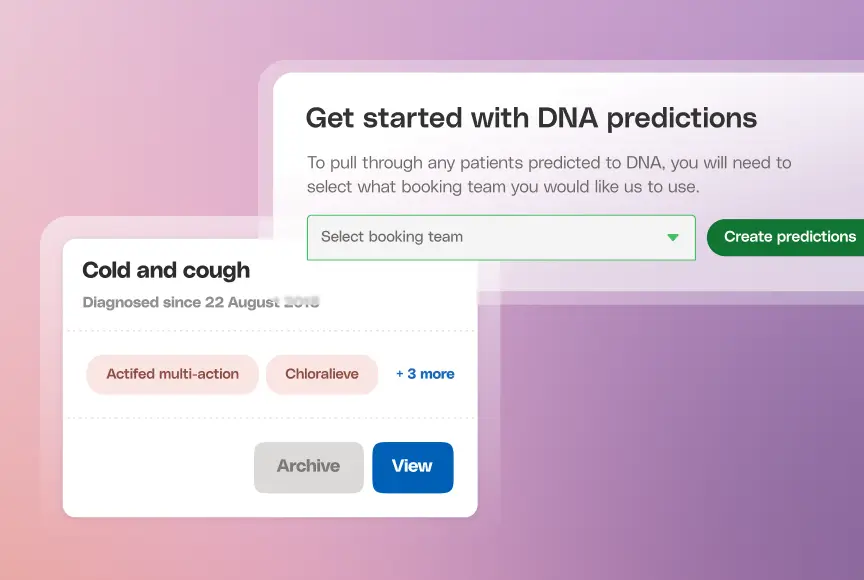
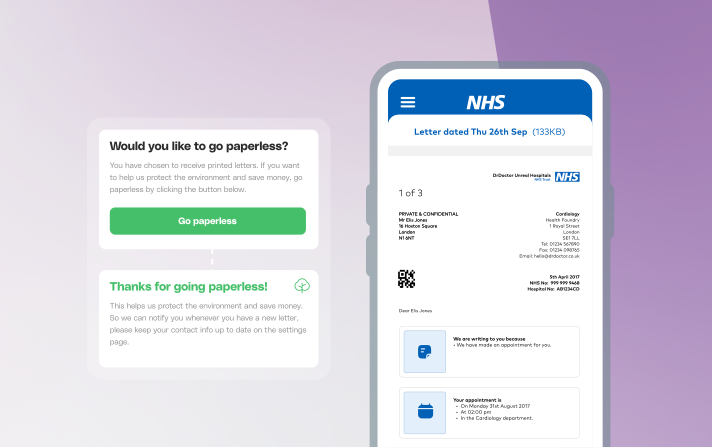
Text, the NHS App, the portal or the post. Digital letters can fall back to post, set clinic by clinic, so patients a digital channel misses still hear from the trust.

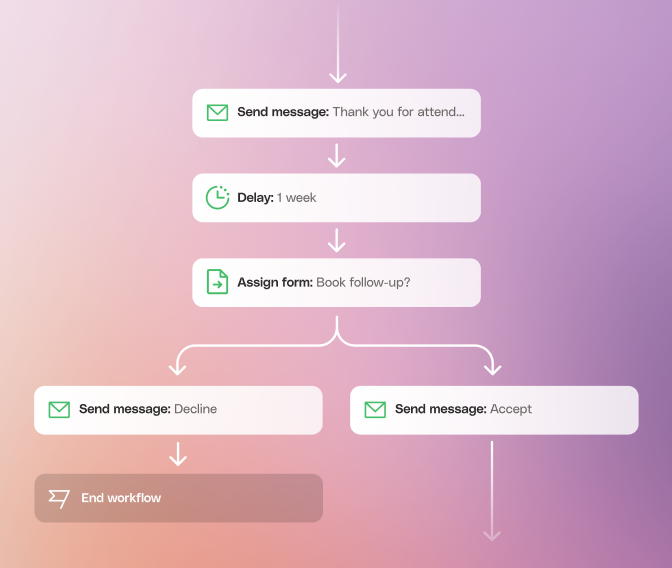

Most of what we automate is admin. Where a pathway involves a clinical decision, a clinician reviews what the patient sent before anything happens.
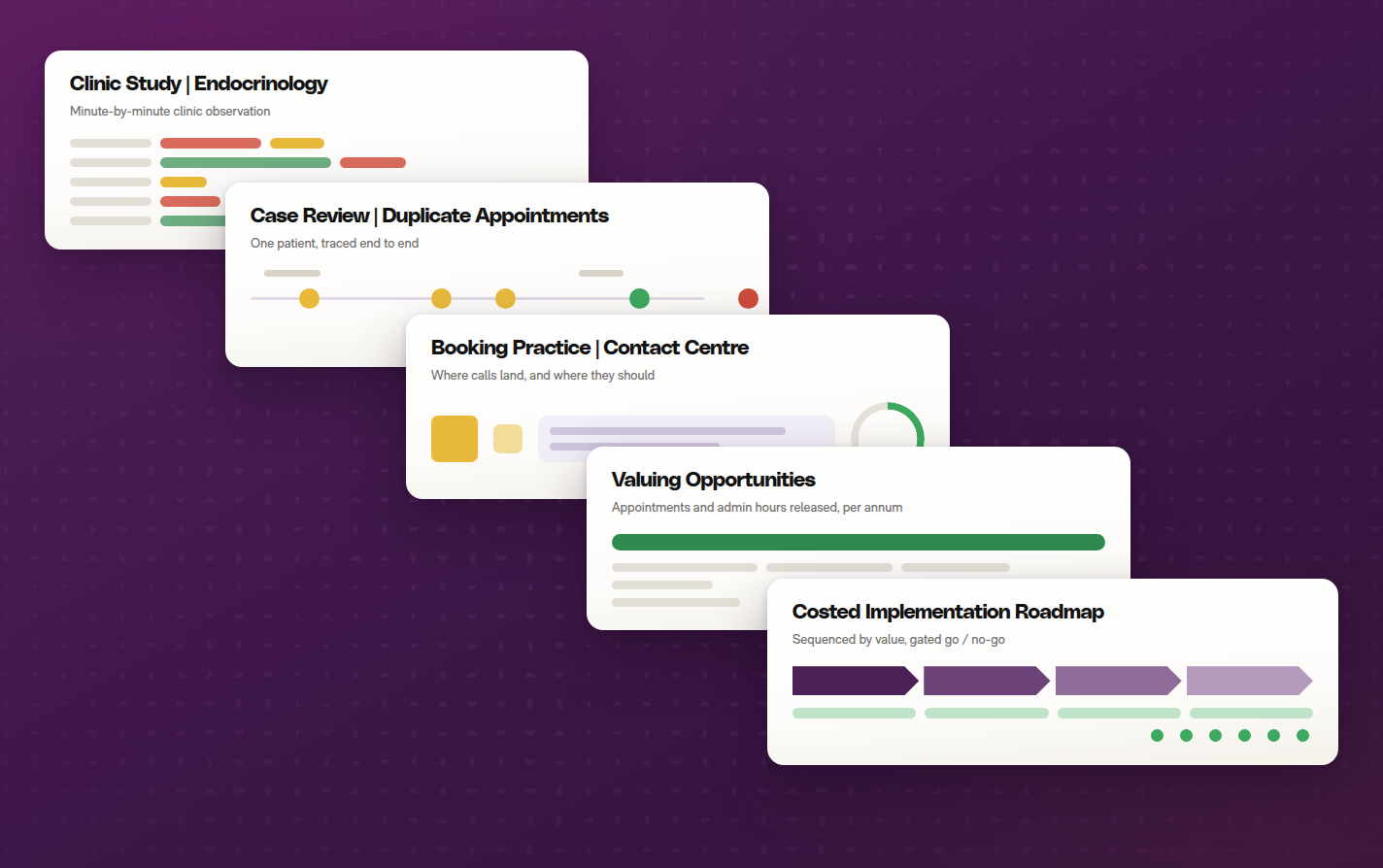
We work with the clinicians, managers and booking teams who run the service, measure what changes against a baseline, and stay until it runs without us.
Every part of what we do stands on its own, so a trust can start small. Communications can go live from a patient list while the integration work runs alongside.
Our tech helps scale change, but our delivery partner model goes further.
Bring the service that worries you most. We will bring the people who would do the work.