PAY FOR OUTCOMES, NOT PROJECTS
Outcomes, not a deck
You commission a set of results, not a project that finishes with a presentation. These are the kinds of outcome we are held to, with part of our fee riding on them.
What stalls outpatient transformation rarely shows up in the data. It shows up in clinics, in booking teams, in the habits nobody ever wrote down. Finding it is where we start. Fixing it is what we get paid on.
You commission a set of results, not a project that finishes with a presentation. These are the kinds of outcome we are held to, with part of our fee riding on them.
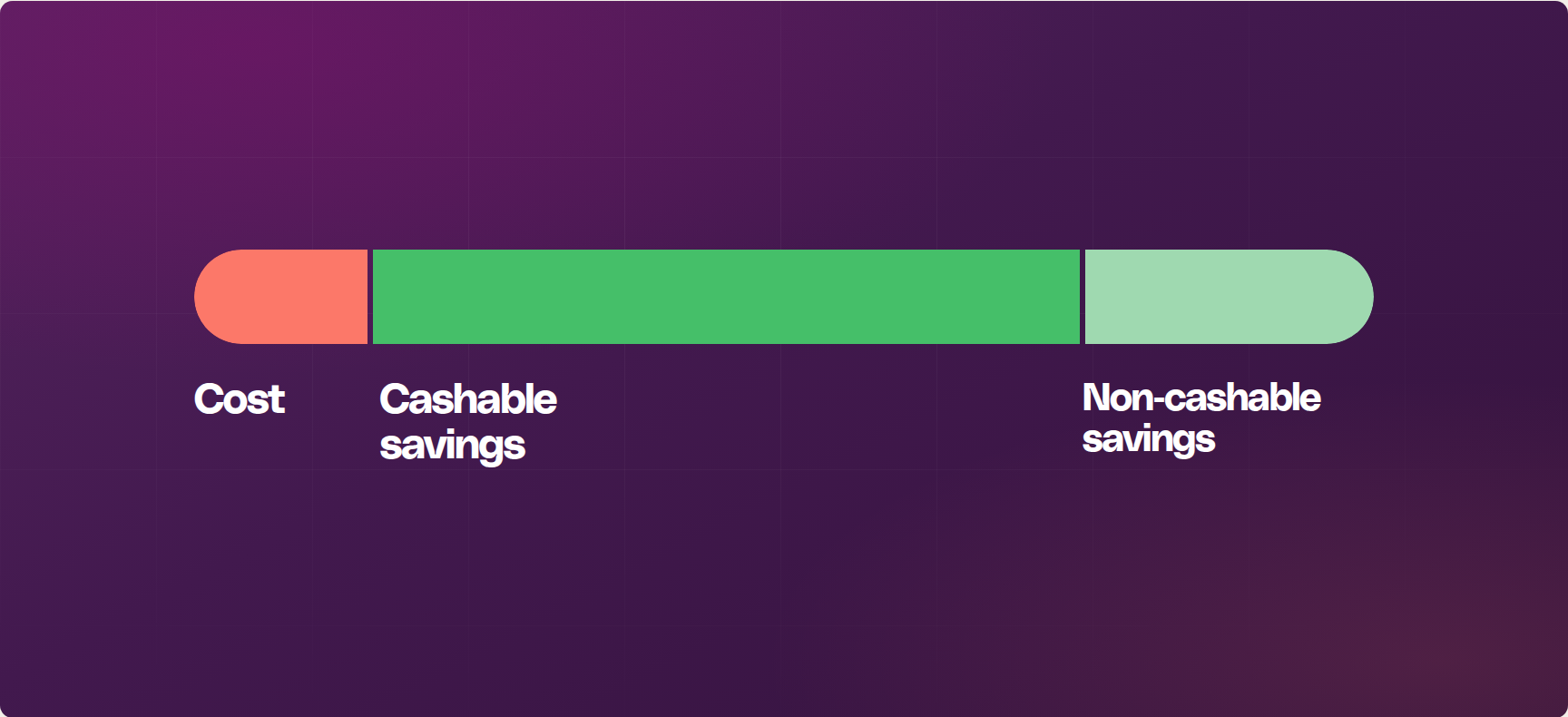
Money back against what you spend with us, counted from your own finance data rather than sector benchmarks.
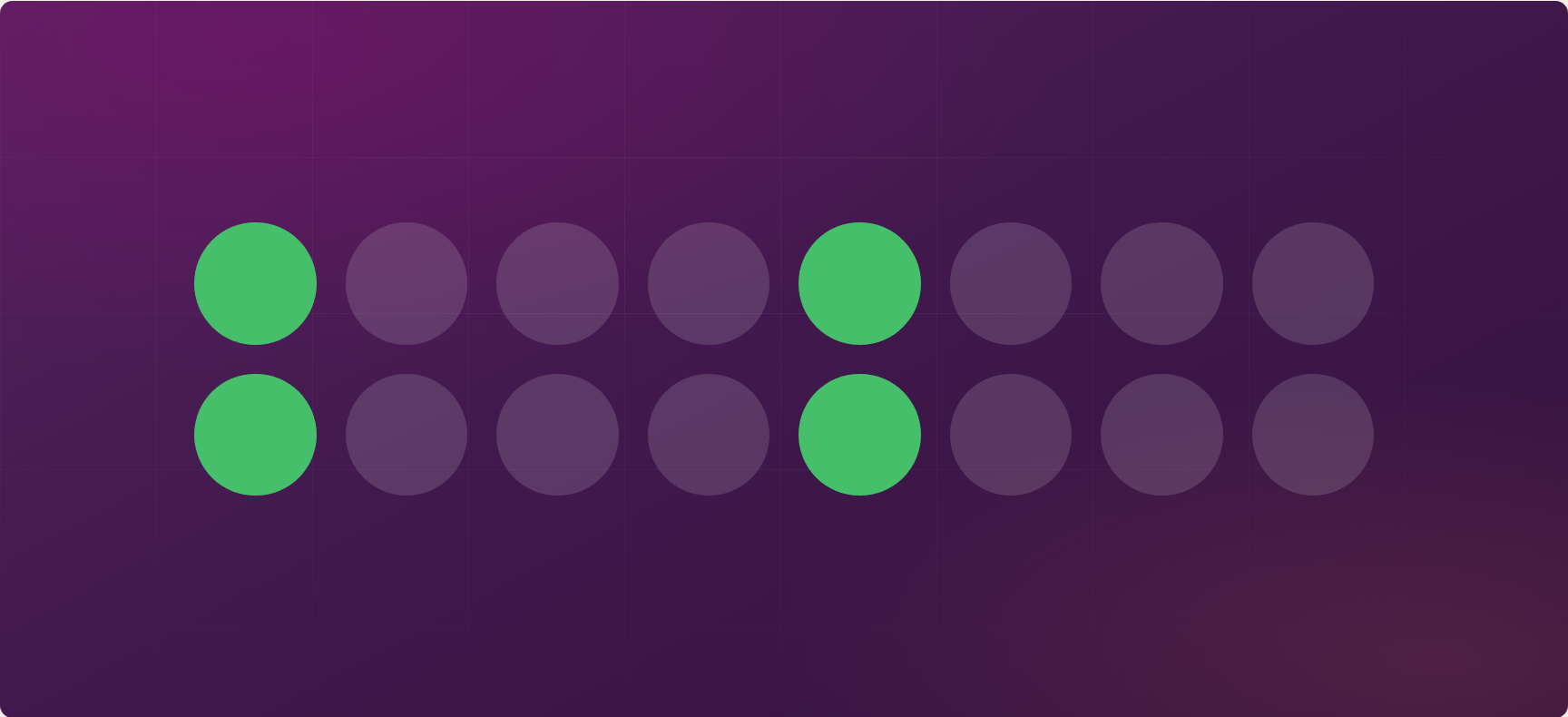
Appointments that already exist inside the clinics you run, freed up without new estate or new staff.
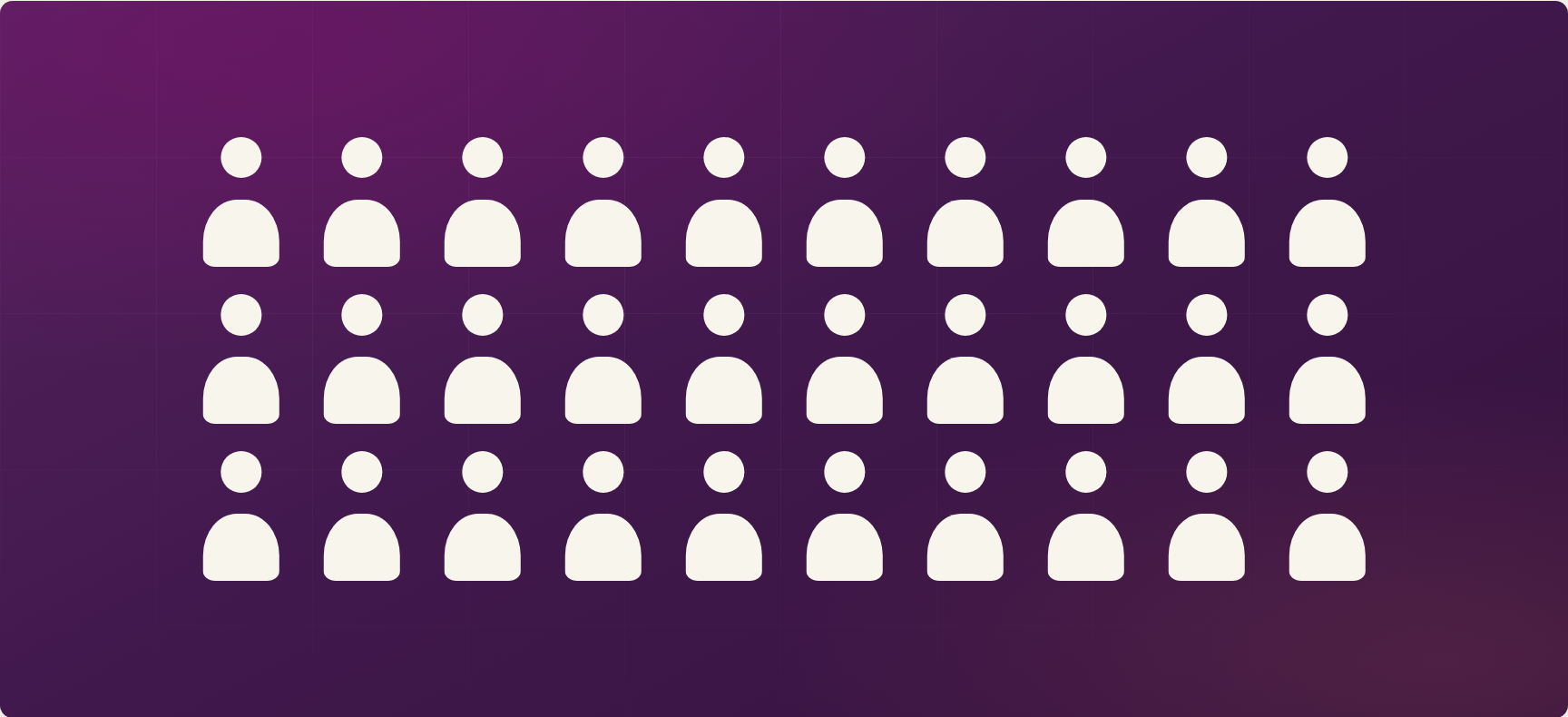
Hours taken off admin and handed back to teams who need them, rather than taken out as headcount.
Before we touch a single system, we get clear on where the real problems are. We diagnose what needs fixing, design the solution around your local context, and deliver the change.
Where others start with a solution →
Weeks on-site, in clinics, in booking teams. Before we touch anything, we need to understand what's actually going wrong. Not just what's said in the board papers.
FIXED-PRICE DIAGNOSTICWhere others give you an opinion →
Performance against peer trusts on utilisation, follow-up booking and DNA rates, plus a readiness-for-change assessment. Evidence, not opinion.
FIXED-PRICE DIAGNOSTICMost leave you a plan →
Every implementation plan co-built with the people who have to live with it. Nothing works if it's imposed.
RISK-SHARED PARTNERSHIP MODELMany disappear at go-live →
The same regional transformation lead carries through delivery, resolving blockers and keeping momentum to measured impact.
RISK-SHARED PARTNERSHIP MODELWe look across six key dimensions of the organisation to assess change readiness.
Clinic studies, case reviews, booking practice, opportunities sized and sequenced, and a costed implementation plan. Every page built from your own data, and co-designed with the people who have to live with it.
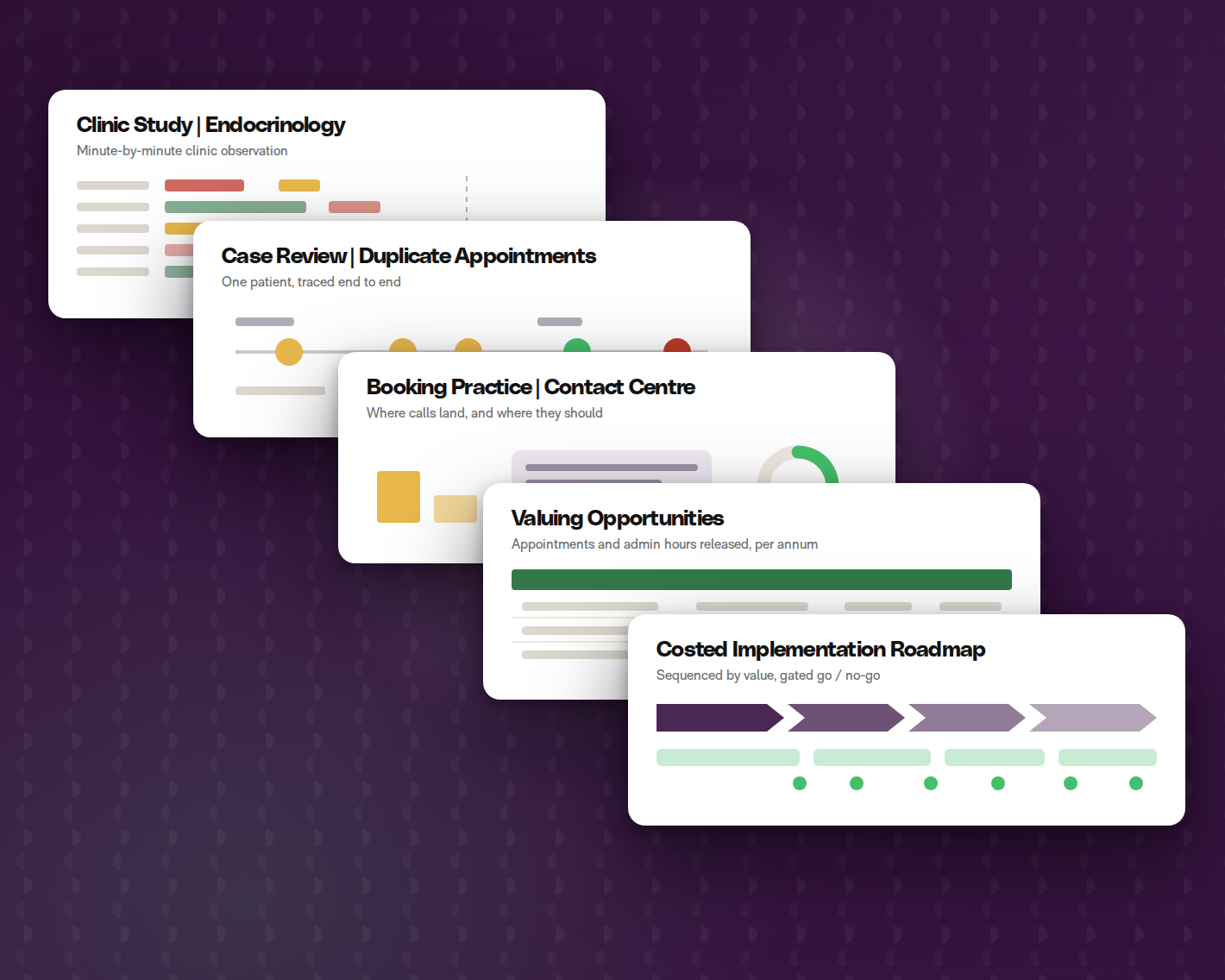
Example measures. The real set is co-designed with you during the diagnostic.
Where a large acute trust typically starts, benchmarked against our data
Clinic utilisation
40-45%Where it should sit: 50-75%
Bookings made per appointment actually attended
1.6Where it should sit: 1.2-1.3
Patients seen per four-hour clinic block
5Where it should sit: 10-15
Steps to reach a clinical outcome
7-9Where it should sit: 5-6
Monthly
Per cohort
Quarterly, to the board
Here's the sort of things we find when we get up close. None of it comes from a survey or a data pull.
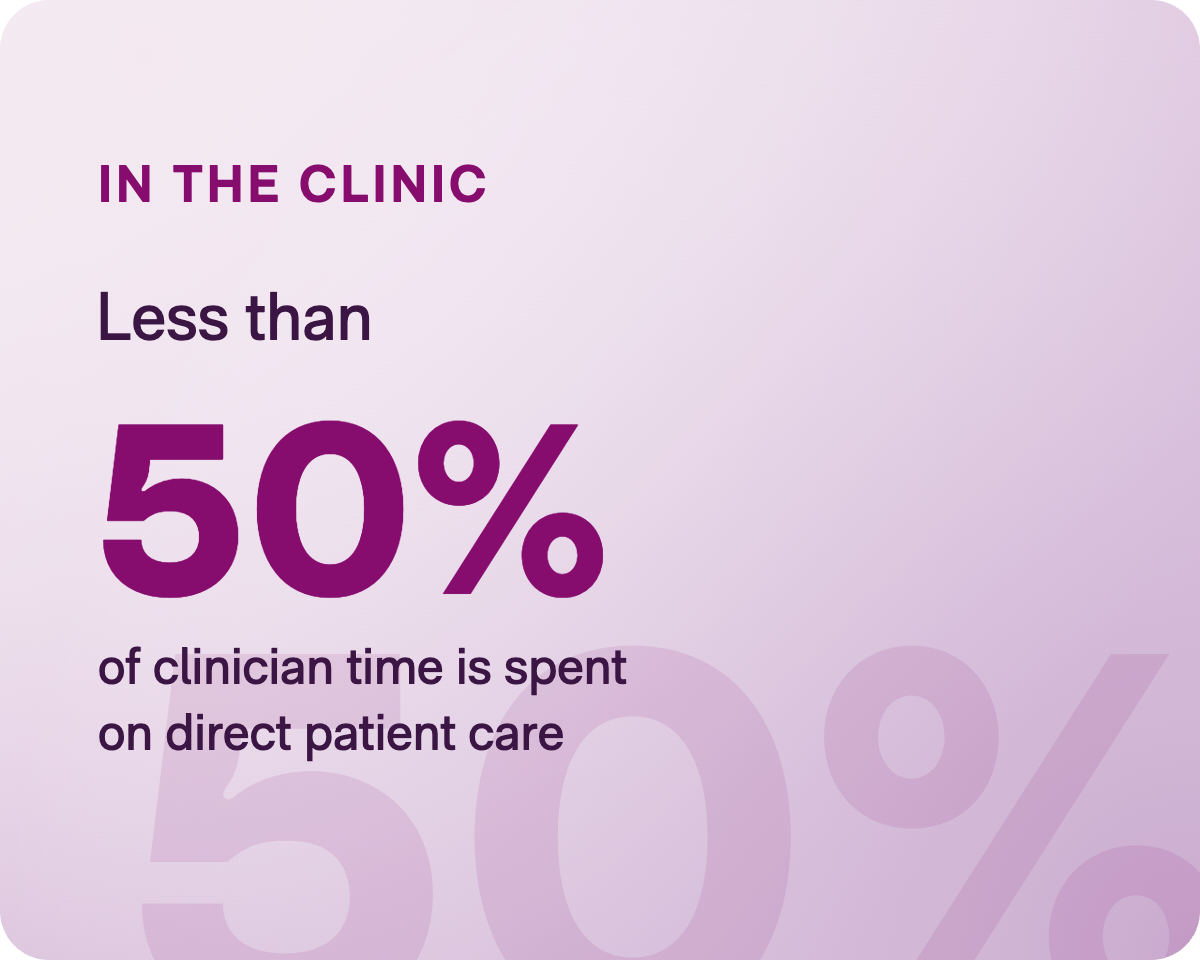
Less than half of clinician time in an outpatient clinic went on direct patient care. The rest was dictation, IT workarounds, chasing referrals, waiting. In the record it all looks the same. You only see it by sitting in the room.
Almost a dozen consultants, a lead nurse, a GP and admin staff, walking real patient journeys through the EPR in order. More than four in five were not the journey the patient should have had. The clinicians already knew. Nobody had given them the room to say it.
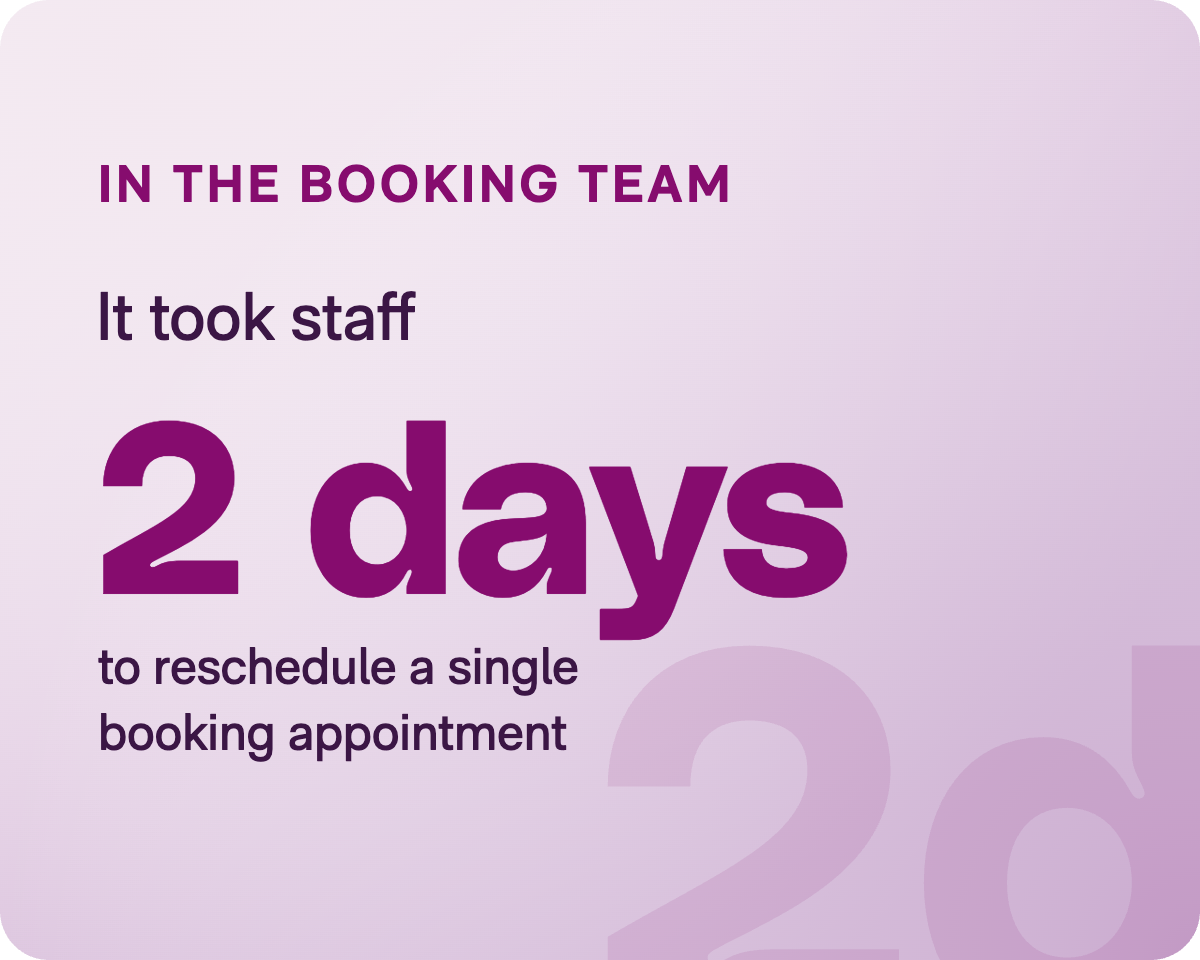
Two thirds of calls to the contact centre did not give the patient what they rang for. Not capability, but local rules that were unwritten and inconsistent. Meanwhile several channels ran in parallel at the same patients, and a single reschedule took two days.
DrDoctor have worked on the ground with our clinical and operational teams to help us really understand the constraints in our current outpatient model, and more importantly, to co-design a future model that will support improved operational and financial performance.
Lesley Terry
Strategy and Transformation | University Hospital Coventry and Warwickshire
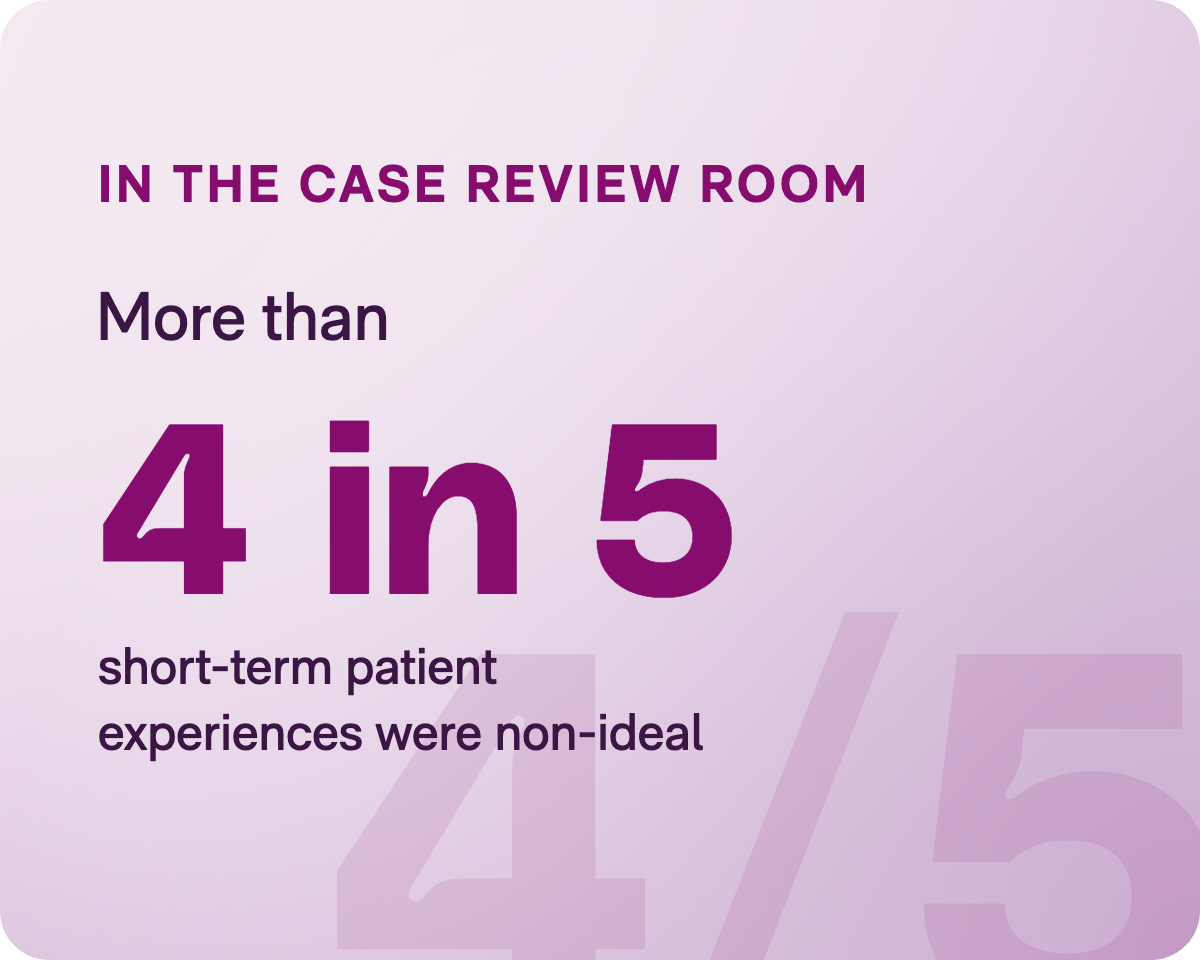
Agreed with you at baseline. Measured on your numbers, not ours.
Five to six weeks, from mobilisation to a board-ready blueprint
Fixed cost and fixed scope, not an open-ended consultancy retainer
Commissioned without a full tender in most trusts we work with
The roadmap is yours, co-designed with your operational and clinical leaders
You commission an outcome, not a set of features and functions
Part of our delivery fee is held back until the agreed outcomes are measured
A programme rather than a project, sequenced by value and delivered in phases
One blended team, led by the same person who ran your diagnostic
Enquire about our delivery partner programme today.